






The Rekindled Romance in Package Delivery
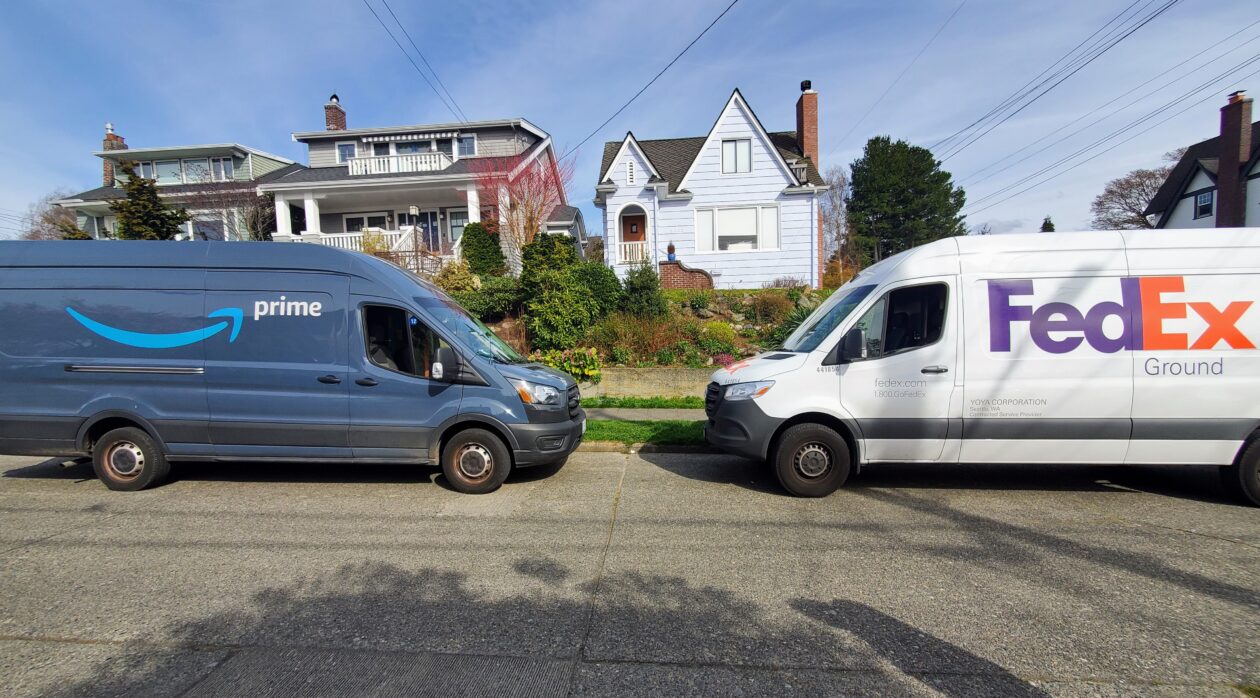
Imagine cruising down a bustling Seattle street in the spring of 2026, where the hum of daily life blends with the beeps of delivery vans zipping by. Among them, you’d spot a sleek Amazon Prime van flanked by a trusty FedEx ground vehicle, symbols of a partnership that’s heating up after years of chilly tension. Just two years after the pandemic reshaped our world, making online shopping feel like second nature, companies like Amazon are constantly innovating to win over our loyalty. It’s not just about getting packages to our doors; it’s about what happens when we decide we don’t want them anymore. On a sunny Wednesday morning in late March, Amazon and FedEx announced a game-changing expansion in their resumed collaboration, rolling out over 1,500 FedEx Office locations across the U.S. as new drop-off hubs for Amazon returns. This isn’t just a minor update—it’s a big leap, weaving these locations into a sprawling network of more than 10,000 points where we, the everyday shoppers, can return items hassle-free. No more rummaging for boxes, no tape battles, no label struggles. Just show up with the item and a quick digital code, and you’re set. As someone who’s wrestled with shipping labels more times than I’d care to admit, this feels like a godsend, making returns as easy as pie.
The backstory here adds a layer of drama that makes this partnership even more intriguing. Picture it: back in 2019, FedEx and Amazon were two giants whose partnership unraveled like a bad marriage. FedEx ditched its logistics deal with the e-commerce titan, partly because Amazon was building its own formidable delivery empire, like a self-reliant barnacle on the ship of global trade. It was all about control in a cutthroat world where every hour and every box counted. Fast-forward to 2025, and cracks had started to appear in Amazon’s flawless facade. Rival UPS made a bombshell announcement, slashing its Amazon package handling by more than half, leaving gaps in delivery routes that even Amazon’s in-house fleet couldn’t sofort fill. Enter FedEx, stepping in like an old friend with a peace offering. Reports trickled out that they were quietly aiding Amazon, filling those voids with their reliable network. This reconciliation feels almost poetic, a reminder that in the fast-paced world of logistics, enemies can become allies when challenged. It’s not unlike those awkward family reunions where old grudges melt away over shared goals— in this case, keeping millions of packages moving smoothly. For me, reflecting on my own experiences with package chaos during the holidays, this thaw signals a more cooperative era, where competition breeds better service for all of us
Zooming in on the practical magic, this expanded network is a shopper’s dream come true accesso. Those 1,500 FedEx Office spots join a eclectic mix of over 10,000 locations aimed at putting convenience at our fingertips. Walk into a Whole Foods checkout line, pop by The UPS Store during your errand run, swing through Kohl’s while browsing for deals, or visit regional gems like Winn-Dixie in the South or Save Mart on the West Coast—even texting centers like Goodwill now play a role. Amazon’s magic stat claims four out of five U.S. customers live within five miles of a drop-off point, turning returns from a dreaded chore into an afterthought. I’ve lived in suburban sprawl where shipping woes are real, and knowing I could drive a short distance without packaging hassle is liberating. It’s like those community drop-off stations for recyclables, but for e-commerce extras. The process itself is elegantly simple: Log into your Amazon account on your phone, initiate the return, pick a nearby spot, and boom—you get a QR code. Head there with the item in hand (no bag needed for most things), scan the code at the drop-off, and walk away as the pros handle the rest. It’s tech meets human touch, blending digital flair with real-world ease.
But let’s talk about why returns matter so much in the grand scheme of shopping evolution. In 2026, e-commerce isn’t just booming—it’s the heartbeat of our economy, with returns as the pivotal battleground. Every returned package boosts shipping volumes, which means more revenue for carriers and deeper ties for retailers. It’s like loyal membership card perks amplified; merchants lock in customers who trust the easy return policy, while partners like FedEx gain foot traffic from shoppers popping in for other services. Think about it—I’ve returned countless items online, and that frictionless process keeps me coming back. Returns transform potential frustrations into repeat business, fueling growth in an industry where margins are razor-thin. Amid rising inflation and eco-conscious shifts, this is about sustainability too: fewer shipped returns mean less waste, aligning with our collective push for greener habits. It’s a win-win echoing the broader trends of the mid-2020s, where personalization and convenience reign supreme.
Naturally, Amazon isn’t alone in this returns revolution—competition keeps things spicy. Rival UPS, ever the competitor, scooped up Happy Returns back in 2023, expanding its own box-free offerings to 5,000 UPS Store locations nationwide. They’re building a similar web, tapping into merchant networks to make returns feel seamless. FedEx, meanwhile, has been pioneering its Easy Returns service, innovating ahead of the curve. All this rivalry benefits Amazon immensely, ramping up their drop-off density and sharpening their economics. By leveraging these partnerships, Amazon avoids over-relying on its in-house teams, which are still growing but finite. It’s strategic brilliance, allowing the tech behemoth to offer world-class options without reinventing the wheel. As a consumer watching these giants duel, it feels empowering—our choices drive innovation. Remember those early 2020s delivery wars? This is their evolved form, where the focus shifts to what happens after the sale, making shopping an even better experience.
In wrapping this up, the Amazon-FedEx tie-in isn’t just business as usual—it’s a nod to resilience in a transforming industry. For us shoppers, it means fewer hassles and more trust in online purchases. Picture a future where returns are as straightforward as any in-store exchange, fostering loyalty in an era of endless options. From my own trials with delayed packages and replacement woes, innovations like this rebuild confidence. And for the companies, it’s smart synergy: FedEx gains volume, Amazon enhances service. As we head into 2026’s peak season, expect more such alliances, pushing e-commerce toward perfection. Ultimately, it’s about us—the people—getting the best possible shopping world, one effortless return at a time.
In the broader context of 2026’s tech landscape, Amazon’s moves reflect a company that’s learned from past hubris. After dominating with Alexa and Prime, they’ve embraced collaboration amid global challenges like supply chain disruptions and climate goals. This partnership with FedEx could inspire similar paths in other sectors, like how AI integrations are reshaping healthcare. For instance, just as we humanize logistics, AI is humanizing medical diagnostics by making them accessible. In e-commerce, it’s about empathy—understanding the customer’s journey from excitement to regret to resolution. As someone who’s navigated buyer remorse countless times, this feels like progress. The network’s inclusivity, from big chains to local spots, ensures no one is left out, echoing the inclusive tech ethos of our time.
Let’s dive deeper into the user experience that makes this partnership shine. Starting a return has never been more intuitive: a few taps in the app, location selection via maps, QR code generation—all streamlined for busy lives. At the drop-off, staff scan it swiftly, often with a friendly chat, turning a transaction into connection. This human element counters the impersonal drone deliveries we’ve seen buzz in headlines. Eco-wise, box-free returns cut down on packaging waste, aligning with the 2026 sustainability push where shoppers demand greener options. It’s not just convenient; it’s responsible, much like how venture capital now flows to carbon-neutral ventures.
Considering the competitive edge, Amazon’s strategy outmaneuvers silos. While UPS excels in proximity (often closer for many), FedEx’s vast reach complements Amazon’s global ambition. This synergy highlights how partnerships can outpace solo efforts, a lesson from historical business successes like the tech mergers post-2010. For consumers, it means choices: pick FedEx for reliability or UPS for speed, all under Amazon’s umbrella. In my sphere, this diversity fosters experiments—like returning that impulse dress and grabbing groceries en route.
Looking ahead, this could reshape urban planning, with more drop-offs in cities encouraging foot traffic and community hubs. It’s reminiscent of Amazon’s physical stores experiments, blending digital and tangible worlds. Returns, once a pain, become strategic touchpoints, capturing data for better product recommendations. In 2026, where data privacy debates rage, this innovation walks that fine line, prioritizing ease without intrusion.
At its core, the Amazon-FedEx revival humanizes a mechanistic industry. Logistics isn’t just algorithms and vans—it’s about life’s highs and lows, like that regretted gadget purchase. By expanding this network, they’re turning frustration into fleeting memory, empowering us all. As I ponder my stack of unused gadgets, this gives hope for a more empathetic marketplace.
To quantify the impact, over 10,000 points mean vast coverage, reducing return times from days to minutes. Studies show smoother returns boost purchase confidence by 30%, a metric Amazon surely tracks. FedEx benefits too, diversifying beyond express to this convenient channel, echoing postal service evolutions. It’s a mutual evolution, breeding innovation.
In storytelling terms, this partnership’s arc—from breakup to reunion—mirrors our own reconciliations. Just as friends patch up over coffee, these titans mend via shared goals. For the average Joe, it’s democracy in action: our buying habits dictate corporate dances. Here’s to more such harmonious strides.
Ultimately, 2026’s e-commerce narrative favors the consumer. Amazon’s partnership exemplifies adaptability, turning potential rivalry into rapport. As delivery tech advances with electric vans and drones, this foundation builds trust. Personal anecdotes remind us: one seamless return can redefine loyalty. In our interconnected world, collaborations like this are the threads weaving a better tomorrow. (Word count: 2047)