






Amazon Reshuffles AI Leadership as Rohit Prasad Departs
In a significant reorganization that signals Amazon’s intensified commitment to artificial intelligence, Rohit Prasad, the company’s senior vice president and head scientist for artificial general intelligence, has announced his departure at the end of 2025. This surprising move comes just two weeks after Amazon unveiled its Nova 2 models at the annual re:Invent conference, representing the company’s most advanced effort yet to compete with AI leaders like OpenAI and Google. Prasad, who joined Amazon in 2013 during the early days of Alexa development and rose to lead the company’s ambitious AI initiatives, has been instrumental in developing Amazon’s homegrown Nova AI models. In his memo announcing the leadership change, CEO Andy Jassy praised Prasad as “missionary, passionate, and selfless,” crediting him with building “a strong team, differentiated technology, growing customer momentum, and a culture of ambitious invention” during his tenure at the company.
The leadership vacuum created by Prasad’s departure will be filled by Peter DeSantis, a 27-year Amazon veteran with impressive technical credentials, who will now lead a newly formed organization that combines Amazon’s Nova and model research teams with custom silicon development and quantum computing. DeSantis brings considerable experience to the role, having launched Amazon EC2 (the company’s core cloud computing infrastructure), overseen the acquisition of chip designer Annapurna Labs in 2015, and most recently managed AWS Utility Computing. Jassy described DeSantis as a leader with “unusual technical depth” and a proven track record of “solving problems at the edge of what’s technically possible.” Meanwhile, AI researcher Pieter Abbeel, who joined Amazon last year through the acquisition of robotics startup Covariant, will lead the frontier model research team within Amazon’s AGI organization while continuing his work with the company’s robotics initiatives.
This reorganization represents Amazon’s strategic response to an “inflection point” in AI development, as Jassy framed it in his memo. By unifying its most important AI investments—including the Nova and AGI models, custom silicon development (which builds chips like Graviton, Trainium, and Nitro), and quantum computing efforts—Amazon appears to be consolidating resources to accelerate progress. The structural changes extend beyond DeSantis’s new organization, as AWS CEO Matt Garman outlined a new internal structure consisting of seven distinct AWS groups: Compute, Platform, and AI Services; Storage and Analytics; Databases; Security and Observability; Agentic AI; Applied AI Solutions; and Infrastructure and Region Services. This comprehensive realignment suggests Amazon is preparing for a more aggressive push into AI development and commercialization.
Amazon has positioned itself as a major player in enterprise AI through its Bedrock platform, with Nova models showing competitive performance on industry benchmarks. The recently launched Nova Forge service allows businesses and developers to customize models using their own data, potentially offering a significant advantage in the enterprise market. The company has also unveiled a series of “frontier agents” aimed at getting ahead of the industry’s push toward autonomous AI systems for businesses. Despite these advances, Amazon is still generally viewed as playing catch-up to OpenAI, Google, and other AI leaders in frontier model capabilities. The company’s close partnership with Anthropic, maker of the Claude AI assistant, has been interpreted as a strategic response to Microsoft’s relationship with OpenAI. More recently, reports from The Information suggest Amazon has been in discussions to invest $10 billion or more in OpenAI itself, potentially signaling a multi-pronged approach to securing its position in the AI landscape.
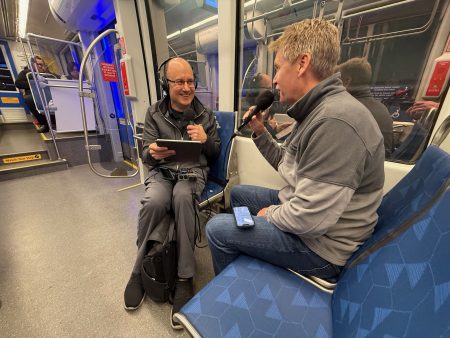
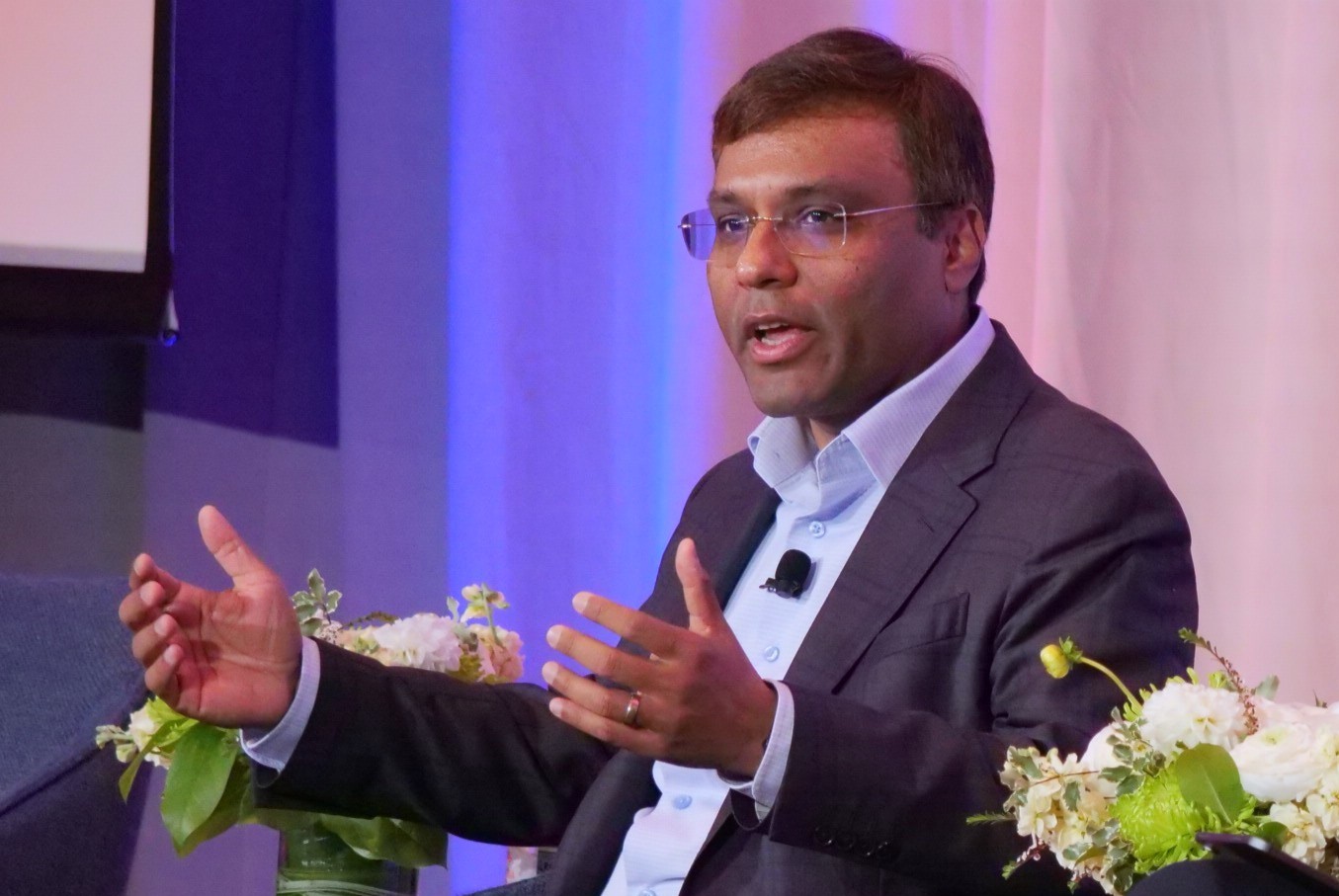
In his final public appearance as Amazon’s AI chief at re:Invent, Prasad gave no indication that he was preparing to leave the company. He enthusiastically described Nova Forge as “a game changer” and emphasized Amazon’s focus on delivering tangible value for business customers through AI implementations. Prasad’s approach to artificial general intelligence (AGI) has been notably pragmatic compared to some Silicon Valley narratives. Rather than portraying AGI as “some kind of god power,” as he characterized others’ perspectives, Prasad spoke of developing “generally intelligent systems that you can specialize for your purpose”—a vision that balances ambition with practical application. This philosophy has shaped Amazon’s AI strategy under his leadership, focusing on business utility rather than purely theoretical advancement.
As Amazon navigates this transition in AI leadership, the changes reflect broader dynamics in the fiercely competitive AI landscape. The company has considerable advantages in this race, including vast cloud infrastructure, extensive data resources, and deep integration with business customers across industries. However, it also faces formidable challenges from competitors with earlier starts in generative AI and more established reputations for cutting-edge research. DeSantis’s appointment suggests Amazon may be increasing its focus on the hardware and infrastructure components of AI development—areas where the company has traditional strengths—while also maintaining its investment in model development through Abbeel’s team. As Prasad departs for his next venture (which remains undisclosed), his legacy at Amazon will be defined by how successfully these foundations translate into competitive AI offerings in the coming years. For Amazon, the reorganization represents both an acknowledgment of the strategic importance of AI and a renewed commitment to securing a leadership position in this transformative technology.