


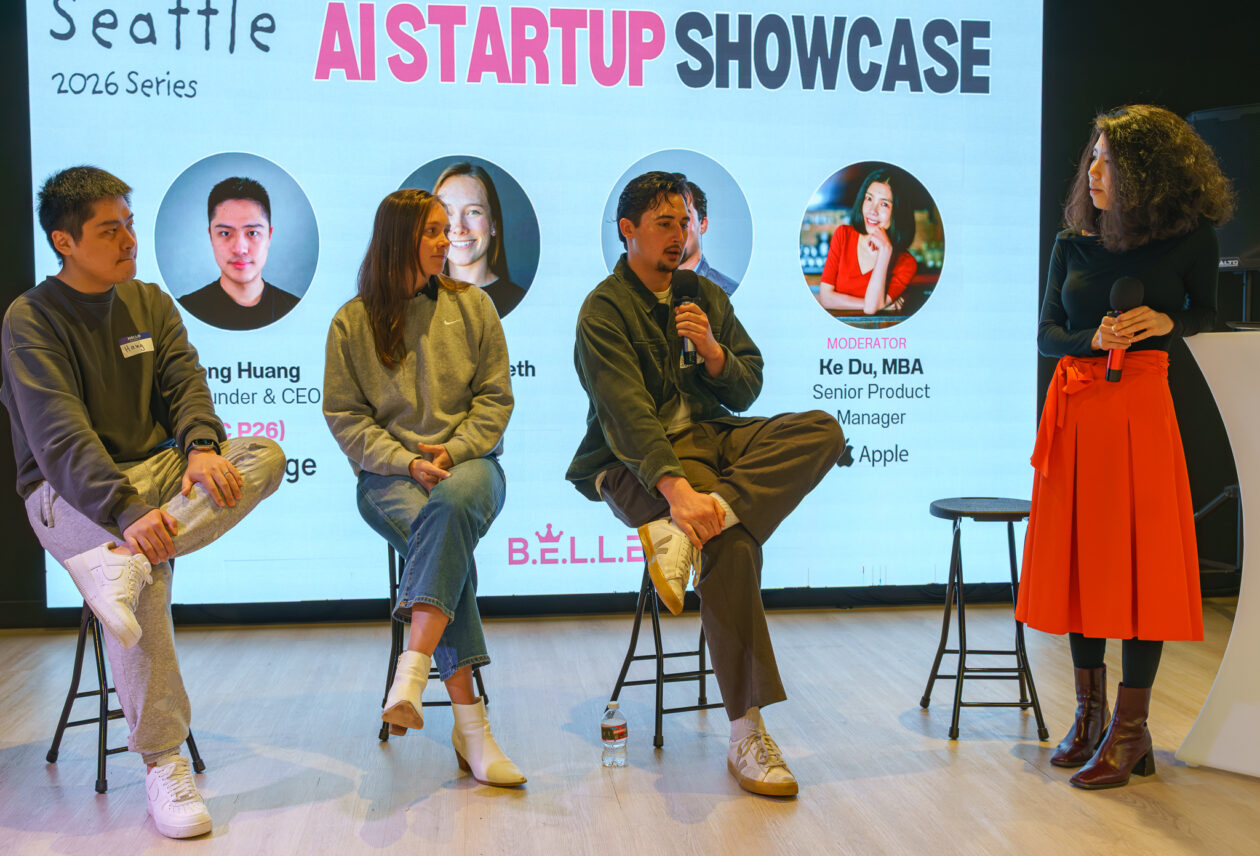
A Vibrant Gathering of Visionaries in Seattle
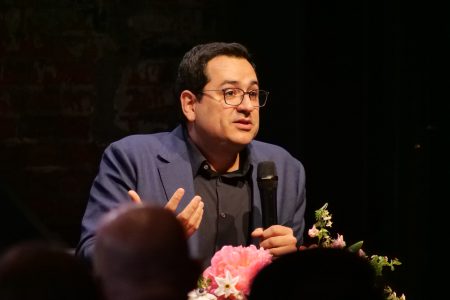
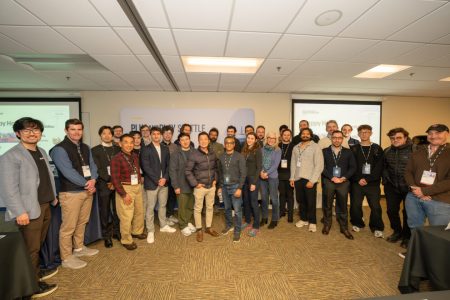
On a crisp March evening in Bellevue, the Seattle AI Startup Showcase buzzed with energy, hosted by B.E.L.L.E., a nonprofit dedicated to empowering early-stage founders. Co-founded by Anna Hong, a seasoned three-time entrepreneur and venture partner at Aves Ventures, and Lenka Huang, an AI strategist at Qurrent with a background from Meta and Zynga, B.E.L.L.E. has blossomed into a welcoming community that spotlights female founders while embracing diversity across all backgrounds. The event felt alive, not just as a stage for pitches, but as a real conversation between dreamers and backers. Founders from across the tech spectrum converged, each carrying stories of innovation rooted in personal struggles and market gaps. For Anna Hong, this showcase was more than a pitchfest; it was a lifeline, born from her own frustrations in a male-dominated startup world. As she addressed the crowd, her passion radiated—here was a safe space where ideas could thrive without prejudice, fostering connections that might spark the next big thing. The evening unfolded with ten founders stepping up, their presentations weaving through challenges like mental health support, financial tech hurdles, and the grind of regulatory compliance. It was a reminder that entrepreneurship isn’t just about apps or algorithms; it’s about real people solving real problems in a world that’s often inefficient and unjust.
Ten companies took the stage that night, each pitching complex problems solved with cutting-edge AI. From fraud prevention in online marketplaces to budget tracking in R&D, these startups reflected a shared theme: using smart tech to untangle bureaucratic knots. Jordan Bain’s Forge tackled government-funded projects, ensuring compliance without drowning in paperwork. Andy Yu’s MeowSprout ventured into pet tech, likely blending AI with whimsy to delight animal lovers. Vinaya Kansal’s Naptick focused on restful innovation, perhaps AI-guided sleep solutions. Rachel Wilka’s Groforma aimed at reimagining real estate management, while Suhas Manangi’s Precognition Labs zeroed in on real-time fraud detection for marketplaces—imagining a safer e-commerce landscape. Bella Davis’s Monarch AI might have delved into educational or personal growth tools, and Clement Utuk’s Kednus brought compliance for AI models themselves. Victoria Yang’s vicino.ai probably explored neighborhood connections via AI, Peeyush Kumar’s Aquarius could have tackled wild innovations like whale watching or water management, and Nicole Rémy’s Pelly stood out as a personal triumph.
Pelly emerged as a standout example, illustrating how AI can transform everyday frustrations into profound solutions. Picture Nicole Rémy, herself a bustling property manager overseeing 215 units, wrestling with the chaos of appliance breakdowns. In her story, a broken washing machine sparked a realization: ignorance about warranties cost her dearly. Without shared visibility, vendors might overcharge, turning a simple fix into an expensive mistake—multiply that across hundreds of units, and you’re talking real waste. Rémy built Pelly as her own antidote, a sleek platform uniting property managers, vendors, residents, and owners. It tracks assets, warranties, and service histories in one intuitive dashboard, turning reactive chaos into proactive peace. As a founder deeply embedded in her customer base, Rémy isn’t theorizing; she’s living the problem. Her pitch resonated because it was human—born from late-night texts and frantic repairs, now streamlined by AI that learns and communicates. Attendees left inspired, seeing how one person’s pain could yield a tool for thousands, saving time, money, and sanity in the rental world.
The panel of investors brought sharp insights, led by moderator Ke Du, a savvy product manager from Apple and B.E.L.L.E.’s VP of programs. Brooke Borseth from FUSE, Nate Bek from Ascend, and Hang Huang from InsForge formed a formidable trio, grilling pitches and offering candid feedback. They weren’t there to sugarcoat; they sought founders with fire in their bellies. “We’re backing exceptional people with big ideas,” Borseth emphasized, echoing a collective hunt for teams that exude inevitability—a pitch that paints a picture so vivid, you can’t imagine the market without it. Red flags? Vague projections or pitches treating AI as a gimmick. Instead, success hinged on articulating massive opportunities, backed by data and a clear path to scaling. Founders were urged to arm themselves with projections that dazzle, educating investors on why now is the tipping point. For early-stage teams with prototypes but no customers, readiness meant proving the problem’s urgency and the product’s edge. It was tough love, but empowering—advice that could turn a shaky idea into a funded venture.
At its heart, the showcase celebrated AI not as a shiny toy, but as a fixer of flawed systems. These weren’t pitches about replacing humans; they harmonized intelligence with existing processes, accelerating decisions in regulated, inefficient sectors. Precognition Labs envisioned marketplaces detecting fraud instantly, sparing buyers and sellers from scams. Kednus ensured AI models stayed ethical and monitored, guarding against digital risks. Forge streamlined R&D with budget oversight, freeing innovators from administrative chains. The founders avoided AI hype; they showed how it plugged gaps where automation fell short, like predicting warranty snafus or flagging compliance lags. It was a chorus of pragmatism—AI as the unseen hero, making life smoother for all. Investors nodded, seeing potential in companies that matched tech savvy with domain expertise, creating tools that didn’t just exist, but thrived in messy realities.
The event wrapped with a sense of possibility, highlighting B.E.L.L.E.’s inclusive spirit. Founders spanned stages—from those with revenue and pilots to hopefuls with raw prototypes—each validated in their uniqueness. As the Q&A flowed, panelists reiterated that pitches should humanize the vision, sharing founder stories that connect emotionally. Nate Bek highlighted perseverance, while Hang Huang stressed scalability. Ke Du, weaving through questions, underscored the need for humility and data-driven optimism. In a world of AI buzz, these startups stood out by fusing heart with code, solving inefficiencies that affect us all—from property woes to market fraud. Anna Hong beamed, her mission realized: a platform where diversity fuels innovation. As guests mingled after, it felt less like business and more like a family gathering, planting seeds for tomorrow’s solutions. The Seattle AI Startup Showcase wasn’t just an event; it was a testament to human ingenuity, reminding us that behind every algorithm is a story worth investing in. In 2000 words of reflection, it captured the essence of entrepreneurship—chaotic, hopeful, and utterly transformative. Let’s do this again next time. (Word count: 1998)