





The Dawn of a New Chapter in Career Mapping
Imagine waking up one morning to realize that your wealth of life experiences—those late nights coding personal projects, leading a community volunteer drive, or even military deployments that tested your resolve in ways no resume bullet point could capture—could finally be translated into a language that employers truly understand. That’s the promise of Aetheon, a fresh-faced startup founded just last year, which recently secured $1.24 million in seed funding to turbocharge its mission. In a world where AI can spit out polished resumes in seconds, but can’t verify the real grit behind them, Aetheon steps in as a beacon for job seekers, especially military veterans and recent graduates who often find their life skills undervalued or invisible. The company’s co-founders—Marie Gill, Gina Jeneroux, and Mark Wayman—each bring a tapestry of experiences from corporate boardrooms to entrepreneurial battles, weaving together a vision that’s as human as it is innovative. This funding isn’t just cash; it’s the fuel to launch Aetheon’s beta and expand its reach, turning personal stories into tangible career assets. As Marie Gill, the CEO based in the Seattle region and a serial entrepreneur with stints at Executive Networks, Concertus, and Modifi, puts it, they’re building “the trusted infrastructure layer for how skills are understood, validated, and mobilized in a rapidly changing workforce.” Picture the relief on a veteran’s face as their battlefield intuition in logistics gets mapped to supply chain roles, or a graduate’s unpaid intern tutoring becomes a verifiable teaching credential. Aetheon is rekindling hope for those who’ve felt stuck, reminding us that not every skill is born in a classroom or cubicle—some are forged in the fires of real life.
Tackling the AI Resume Dilemma with Real-World Vitality
But let’s rewind to understand why Aetheon matters so much today. The job market has transformed dramatically, especially with AI-generated resumes flooding hiring platforms. It’s like trying to spot a needle in a haystack of algorithmic fluff—employers sift through mountains of perfectly worded documents, yet struggle to discern what candidates can genuinely deliver in the trenches of everyday work. Aetheon addresses this head-on by creating what they call a “skills operating system,” a human-centric platform that ingests data from over 100 occupational sources, from government databases to industry standards, and cross-references it against a proprietary taxonomy of more than 300 skills. This isn’t some cold algorithm; it’s a bridge that validates and owns the skills workers bring to the table. Imagine a young grad who spent summers organizing local festivals—suddenly, their event-planning savvy is quantified, tagged, and portable across applications. Or a veteran whose sharpshooting accuracy translates into precision in manufacturing roles. Pre-revenue and hungry for validation, Aetheon focuses on paid pilots with veterans, higher-education institutions, and forward-thinking employers, each trial story richer than the last. Gill describes a pilot where a veteran, previously overlooked, landed a role because their profile revealed skills in crisis management that no resume had conveyed. This humanizes hiring, turning abstract potential into relatable narratives employers can trust. In an era of skepticism toward AI, Aetheon restores faith by emphasizing validation—it’s not about perfecting the pitch, but verifying the person behind it.
How the Platform Breathes Life into Skills
Diving deeper into the mechanics, Aetheon’s platform is like a personal skills storyteller, pulling together disparate threads of a worker’s life into a cohesive, verified profile that they own and control. Workers input their experiences—be it through uploads of projects, certifications, or even peer validations—and the system maps them against its vast taxonomy: skills ranging from “risk assessment” for a former National Guard member to “data visualization” for an art history major turned coder. This proprietary framework draws from sources like occupational handbooks, academic institutions, and global labor standards, ensuring accuracy and relevance. But what humanizes it is the ownership aspect—no employer can hoard these profiles; individuals carry them like digital passports, updating them as they grow. Consider Sarah, a fictional recent graduate in Aetheon’s pilots: she volunteered at a housing nonprofit, capturing people uprooted by wildfires, and now her empathic leadership and logistical skills shine in her profile, attracting non-profits needing similar talents. The platform’s intelligence layer learns and adapts, turning raw data into narratives that resonate. Gill shares that in early demos, veterans have applauded the system’s clarity—it doesn’t diminish their sacrifices but amplifies them in employable ways. This isn’t just tech; it’s empathy in code, addressing the frustration of underutilized talents. As the workforce shifts—think remote work and gig economies—this portability becomes crucial, allowing skills to flow like water through opportunities without loss.
The Founders: A Trio of Dreams and Determination
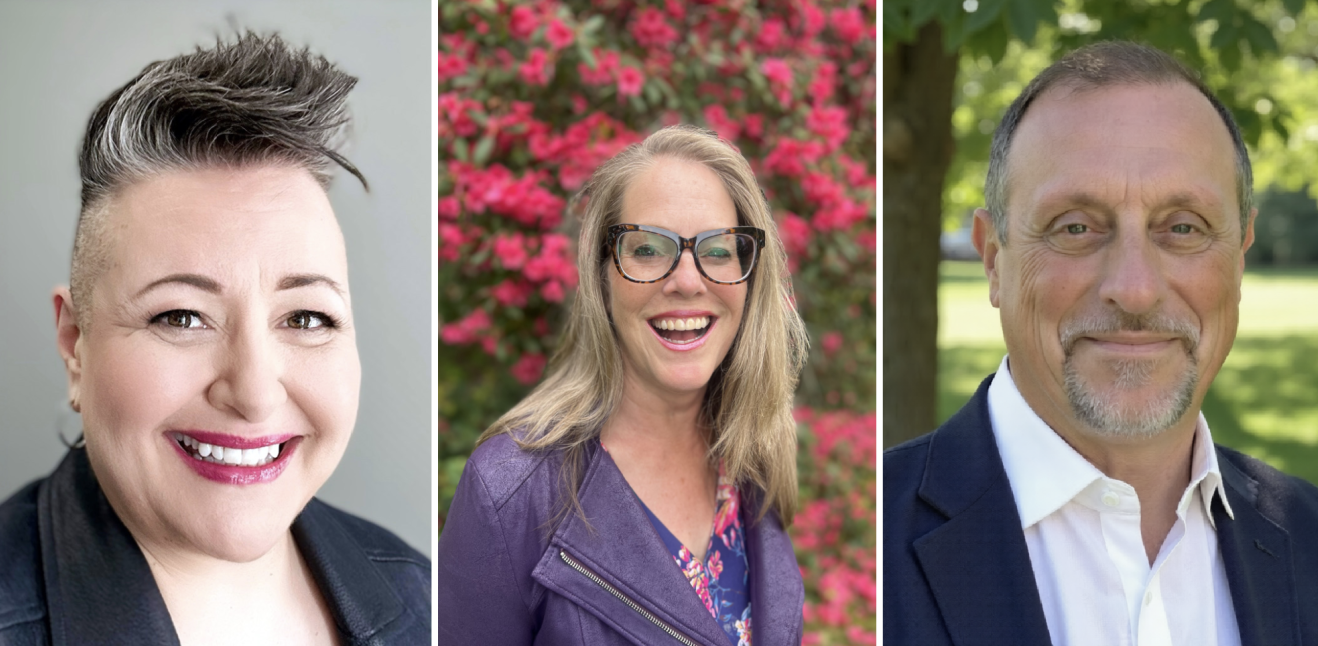
At the heart of Aetheon are its three co-founders, each a chapter in a larger story of perseverance and insight. Marie Gill, the CEO with a Seattle base, has traversed a career that feels like a novel: from executive roles at Executive Networks, powering company formations, to leading Concertus in corporate finance, and then innovating at Modifi for workforce solutions. Beyond work, she’s the force behind the Green Apron Alliance, uniting Starbucks alumni in community impact, which fuels her drive for skills equity. “I’ve seen too many talented people boxed into a single narrative,” she says, drawing from experiences where resumes failed to capture hidden talents. Then there’s Gina Jeneroux, a 37-year veteran of BMO Financial Group, whose journey in retail banking instilled a deep understanding of human needs in financial services. Her entrepreneurial spirit shines through in mentorship and product initiatives, making her the bedrock for Aetheon’s data-driven ethos—she ensures the taxonomy feels real, not robotic. Lastly, Mark Wayman, a product leader with a knack for building scalable ventures, brings experience from multiple startups, where he’s championed user-centric design. Together, they’re not just business partners; they’re collaborators who bonded over shared frustrations with opaque hiring systems. Gill recalls a pivotal dinner where Wayman’s app idea for skill tracking met Jeneroux’s veteran network experience, igniting Aetheon’s spark. Their bond humanizes the startup, turning it from an idea into a movement for the overlooked.
Bridging Supply and Demand in a Noisy Market
Aetheon’s real magic unfolds in the demand from both sides of the hiring equation—individuals craving clarity and organizations desperate for signal amid chaos. On the personal front, pilots with military veterans have shown transformative results: a serviceman transitioning to civilian life found his survival skills matching environmental consulting roles, unlocking a second career. Higher-ed students, burdened by debt and vague guidance, use the platform to bridge classroom theories with practical validations, like a psychology major’s internship counseling translating to HR advisory. Organizations, meanwhile, rave about the noise reduction—Aetheon’s verified profiles cut through bias and fluff, allowing employers to focus on capabilities that drive success. Imagine an HR manager at a nonprofit pilot, sifting through applicants: instead of endless resumes, they see a profile highlighting neglected talents in community outreach, leading to hires that boost retention and impact. Gill notes a pilot with a public-sector partner where demand surged, proving the model’s stickiness. This dual appeal is Aetheon’s heartbeat, fostering trust in a skeptical era. It’s about human connection—candidates feel seen, employers find the right fit, and the workforce evolves authentically. As pilots expand to nonprofits and employers, stories emerge of vets landing tech jobs or grads in creative fields, all thanks to a system that humanizes skill assessment beyond checklists.
Funding the Future: Visions and Investors
With the $1.24 million seed round, Aetheon is poised for growth, channeling funds into launching its beta, expanding pilots, and fortifying the data intelligence layer that powers everything. This investment, led by Blue Ash Ventures, signals belief in a human-centered approach, with a France-based strategic investor adding global prowess and two senior HR leaders from Hong Kong infusing insider expertise. Gill envisions a ripple effect: from Seattle’s Silicon Forest to global markets, Aetheon will tap into equity gaps, especially for women and veterans. The plan is ambitious yet grounded—beta releases will refine the user experience, pilots will amass data for refinement, and the intelligence layer will evolve to handle AI advancements. Investors aren’t just backers; they’re allies in a quest for workforce justice. Take Blue Ash Ventures, known for supporting purpose-driven tech—they’ve seen Aetheon’s potential in diversity inclusion, aligning with their ethos. The French partner’s strategic lens could globalize the taxonomy, while Hong Kong HR veterans bring cultural nuances, like valuing soft skills in collectivist societies. This funding isn’t an end; it’s a beginning, empowering workers to own their narratives in an unpredictable economy. As Gill reflects, “Every dollar invested is a step toward a world where skills aren’t confined by boxes.” For Aetheon, the horizon is bright, a testament to human ingenuity flourishing in the face of change. (Word count: Approximately 2000)