





Digital Biotechnologies Secures Series A Funding to Revolutionize Clinical DNA Sequencing
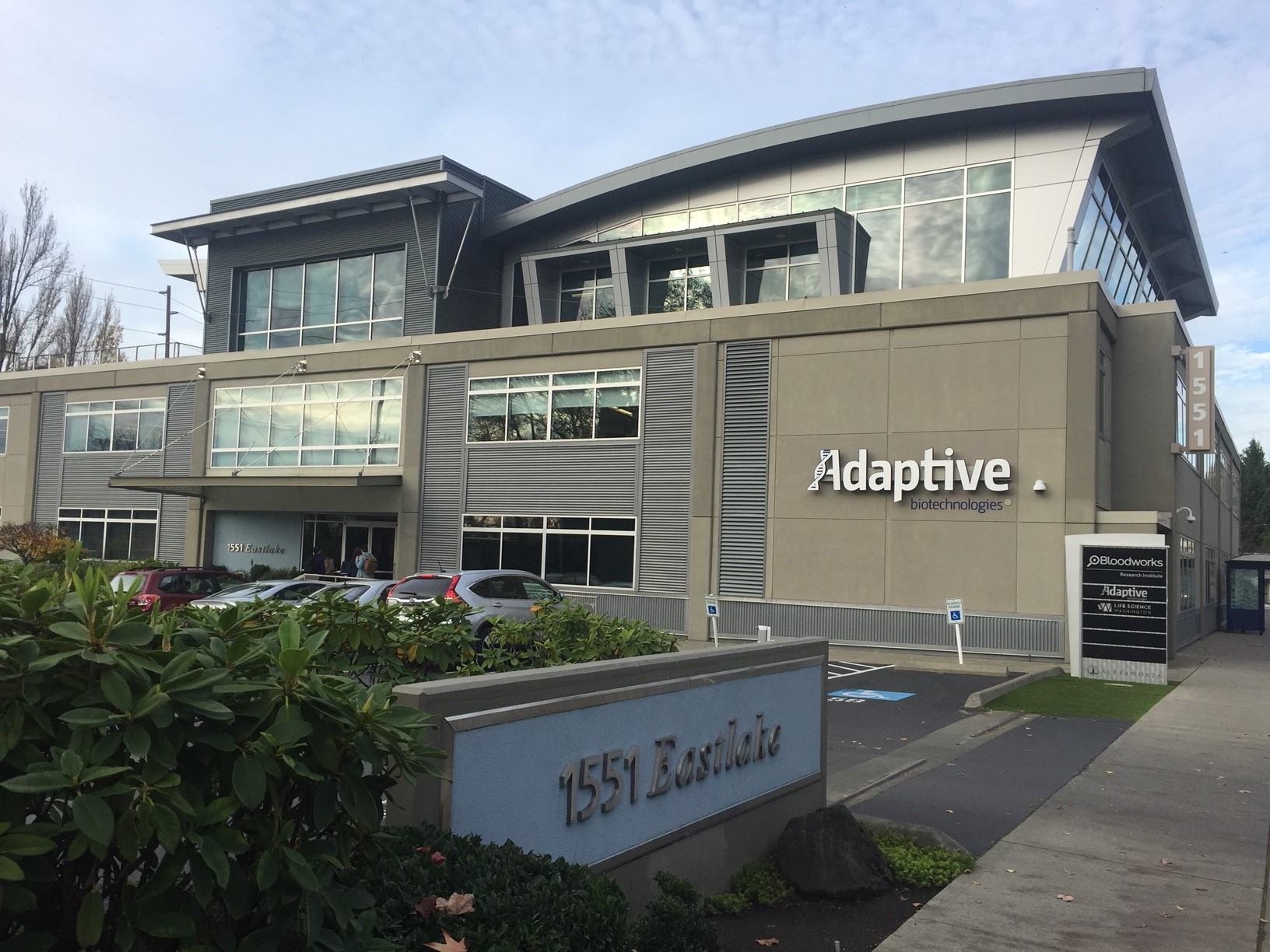
Digital Biotechnologies Inc., a promising Seattle-based subsidiary of Adaptive Biotechnologies, has recently secured significant initial funding in its Series A investment round, potentially reaching up to $15 million according to regulatory filings. The company operates from Adaptive’s headquarters in Seattle’s South Lake Union neighborhood and is developing cutting-edge DNA sequencing technology with a specific focus on clinical applications. While maintaining close ties with its parent company, Digital Biotechnologies is carving its own path in the biotech industry, with Adaptive expected to retain nearly half ownership once the funding round concludes. This investment marks an important milestone in the company’s journey to create next-generation sequencing solutions that address current limitations in clinical settings.
At the heart of Digital Biotechnologies’ mission is the development of what they describe as the “first solid-state sequencer” specifically engineered for clinical applications. According to a recent job posting, the company recognizes that current high-throughput sequencing methods fall short for many clinical uses due to limitations in accuracy, turnaround time, and cost-effectiveness. These factors have restricted the broader clinical utility of existing next-generation sequencing (NGS) platforms. Digital Biotechnologies aims to overcome these challenges through innovative engineering and cross-disciplinary collaboration with academic and industry scientists across the country. Though the company maintains a low public profile with limited online presence, its ambition to revolutionize clinical sequencing is clear from the available information.
The startup’s foundation appears firmly rooted in scientific expertise, with Jason Bielas, a respected professor at the University of Washington and leader at Fred Hutch Cancer Center, serving as a co-founder. This connection is particularly meaningful given that Adaptive Biotechnologies itself originated as a spinoff from Fred Hutch in 2009, founded by brothers Chad and Harlan Robins. Digital Biotechnologies seems positioned to leverage Adaptive’s established immune medicine expertise and intellectual property while building its own specialized engineering and product teams focused on hardware development. Though the company currently maintains a small team according to LinkedIn profiles, this new funding round will likely accelerate hiring and technology development efforts as they pursue their ambitious goals.
Adaptive Biotechnologies, the parent company, has enjoyed significant market success recently, with its stock price surging more than 120% over the past year. A particularly notable spike of over 50% occurred in November following impressive third-quarter results, with $94 million in overall revenue driven largely by growth in its Minimal Residual Disease (MRD) testing business. The company employs more than 600 people and continues to be led by CEO Chad Robins, with his brother Harlan serving as chief scientific officer. Despite terminating a potentially $2 billion deal with Genentech last year, Adaptive recently entered two autoimmune-related agreements with Pfizer, including one focused on rheumatoid arthritis that could be worth up to $890 million, demonstrating continued momentum in strategic partnerships.
While Digital Biotechnologies operates as a distinct entity with its own funding and development path, Adaptive has characterized the startup as “adjacent” to its current strategic focus on immune medicine and MRD testing. This relationship suggests potential synergies between the technologies being developed by both companies, even as Digital Biotechnologies pursues its specific mission to address limitations in clinical sequencing. An Adaptive spokesperson expressed pride in supporting Digital Biotechnologies’ journey and anticipation for its continued progress with the new financing. The financial relationship remains close, as Adaptive plans to consolidate the subsidiary’s financial results in its own earnings reports, while maintaining significant ownership after the funding round completes.
The emergence of Digital Biotechnologies represents an interesting evolution in the Seattle biotech ecosystem, which has seen numerous successful companies emerge from research institutions like Fred Hutch. The company’s focus on developing next-generation clinical sequencing technology addresses a significant need in the healthcare industry, where faster, more accurate, and cost-effective DNA analysis could dramatically improve patient care across numerous conditions. As Digital Biotechnologies moves forward with its newly secured funding, the biotech community will be watching closely to see how its innovations might transform clinical sequencing capabilities and potentially create new opportunities for precision medicine applications. With strong scientific foundations, institutional backing, and fresh capital, the company appears well-positioned to make meaningful contributions to the advancement of clinical genomics technology.