






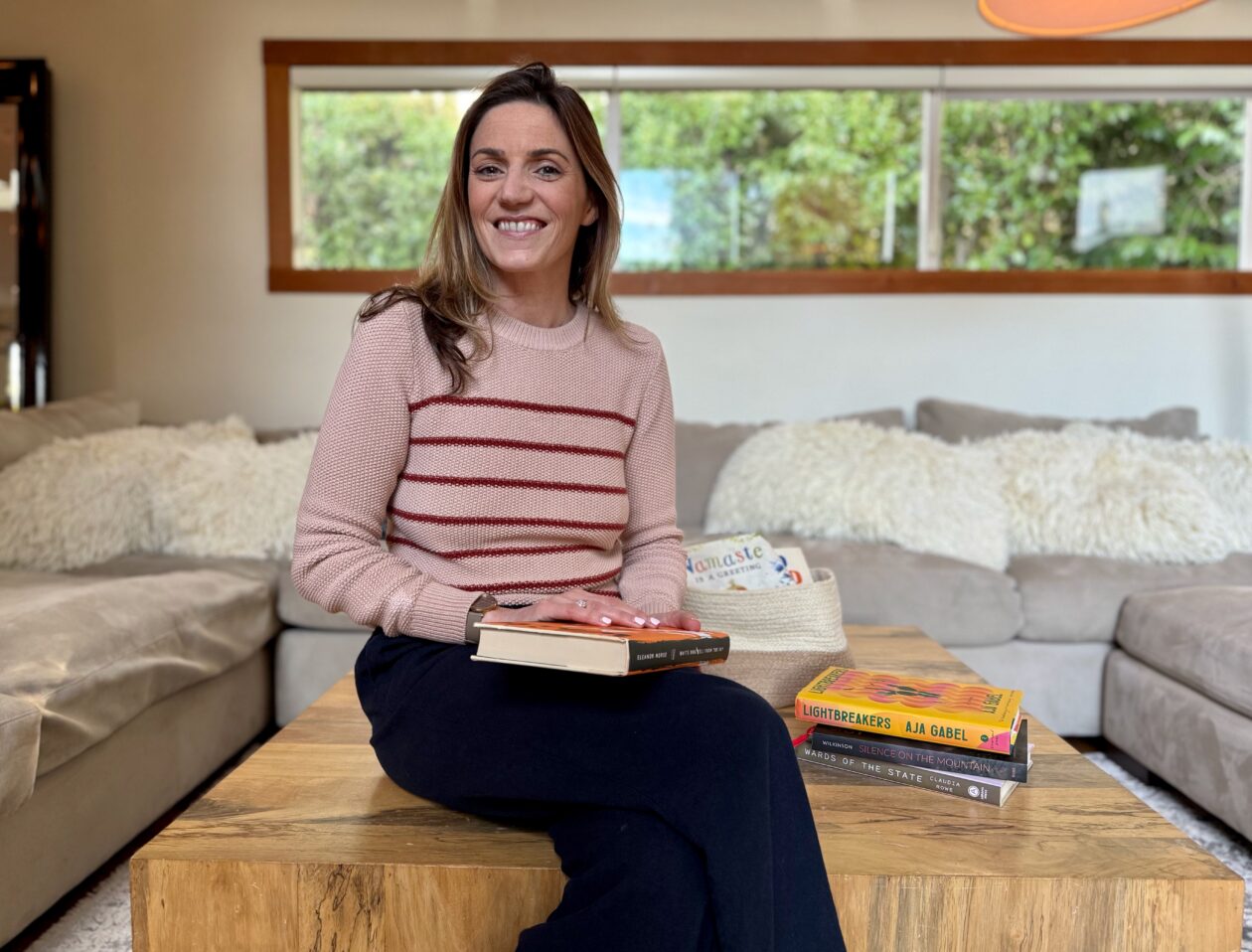
Sarah Ritter has always had a knack for sharing her love of books, turning casual recommendations to friends into something bigger. Back in Seattle, she chugged her passion into reality with Sarah’s Books, a fresh web app that’s all about sparking joy in reading while giving a nod to libraries and those charming local indie bookstores. I remember chatting with her right after she launched it—she’s that kind of person who lights up when talking about stories that stick with you, the ones that make you laugh, cry, or just pause to think. It’s not just an app; it’s her way of extending her personal library into the world, curated with heart and a touch of tech magic from Anthropic’s Claude AI. Picture this: Sarah, a dedicated mom and former startup whiz, pouring her evenings into something pure, away from the hustle of building for investors or exit strategies. Her story isn’t about overnight success; it’s about finding fulfillment in the late-night coding sessions that anyone who’s chased a dream knows all too well—those bleary-eyed hours that blend into hope and a little bit of obsession.
What struck me most was how Sarah built Sarah’s Books from the ground up, using AI not as a crutch, but as a clever partner. She started by snapping photos of her own towering book collection—stacks of well-worn spines that whispered tales of adventure, mystery, and quiet introspection—and fed them into Claude to catalog everything meticulously. Then, she crafted a Google doc brimming with themes like “emotional truth” or “beach read,” genres from fantasy to historical fiction, and personal blurbs that capture the essence of each book. The real magic happened during her kids’ winter break, when she dove headfirst into coding the app. “Obsessively, perhaps only as founders do,” she laughed, recalling those midnight marathons in her Seattle home. Over three-plus months, she racked up more than 350 hours, churning out 100,000 lines of code and 2,000 Git commits—a digital trail of every tiny adjustment, like laying bricks for a cozy cottage. It’s the kind of grit that resonates with anyone who’s glued to their screen till dawn, fueled by coffee and conviction, turning an idea into something tangible that could change how people discover books. No shortcuts; just raw, human effort meeting AI efficiency to create a space where personal touches shine.
At its core, Sarah’s Books bridges the gap between human intuition and smart suggestions, offering recommendations that feel tailor-made for all ages. It blends Sarah’s curated picks from her collection with AI-powered ideas that venture beyond, suggesting reads based on moods or genres you might not have considered. Instead of funneling users to giant retailers like Amazon, it champions libraries through Libby links and supports independent bookstores by partnering with Bookshop.org—ensuring a slice of every sale goes directly to local shops that line streets with character. And for audiobooks, there’s Libro.fm as an alternative to monopolies, keeping things ethical and community-focused. Sarah’s approach is refreshingly different; she shunned the temptation to build for quick profits, opting instead for a purer pursuit: fostering a love of reading without corporate strings attached. “I have no idea where it will go,” she shared with a grin, “but for now, I’m loving the not-knowing. It feels more satisfying than chasing VC dollars.” It’s a reminder that in a world of flashy apps, sometimes the ones born from genuine passion—the kind that doesn’t demand a billion-dollar valuation—stick around longer because they touch real hearts, encouraging folks to pick up a book and get lost in its pages for pure pleasure.
Beyond the basics, Sarah’s Books invites users to dive deeper personally. Signing up for a free profile lets book lovers build their own digital shelves, sharing favorite authors and getting custom recs that sync with their tastes—like meeting an old friend who just knows what you’ll adore next. She’s even experimenting with “Book Mashups,” a quirky feature where ideas from different authors collide and converse, sparking creative connections that could inspire writers or just ignite fun debates. What sets it apart from giants like Goodreads is that raw personal edge: Sarah trained the algorithm on her own eclectic “taste profile,” blending modern classics with hidden gems that reflect her journey as a reader. It’s intimate, like borrowing advice from your most trusted bookish pal, and it captures the joy of serendipity in literature. For parents hunting summer camps or families seeking reading escapes, it’s a gentle push toward discovery, making books feel accessible and exciting again. In our conversation, Sarah talked about the human side of it all—the late-night moments when a code fix clicks, or the thrill of seeing someone share a rec that changes their week. It’s not just an app; it’s a living testament to how technology can amplify human passions without overshadowing them.
Sarah’s world, though, isn’t confined to books; her life paints a picture of resilience and reinvention. By day, she works at Workato, an innovative agentic orchestration platform, dipping into the tech scene as someone who’s lived the startup rollercoaster. Earlier this year, she launched another vibe-coded web app, Summer Camp Finder, to help Seattle families like hers navigate the chaos of family logistics—putting her coding skills to work for the community. A former director of product marketing at Microsoft, with an MBA from Seattle University slung over her shoulder, she brings a seasoned eye to her projects, balancing motherhood with professional prowess. But it’s her past that adds layers of depth: back as Sarah Haggard, she founded Tribute, a platform aimed at boosting workplace connections, only for it to shutter after seven intense years in 2025. The closure hit hard, she admitted, evoking that founder’s sting of “failure”—the dreams of raising capital, building a “rocket ship,” and soaring unmet. “Who am I now?” she reflected, a question echoed by so many in the entrepreneurial trenches. Yet, through Sarah’s Books, she’s found full-circle redemption, reusing skills from Tribute to craft something meaningful, proving that not every closure is an end—it’s often a pivot toward what truly lights you up.
In the end, Sarah’s journey with Sarah’s Books is a beacon for dreamers questioning their paths after setbacks. She poured her soul into it, emerging on the other side with a venture that’s modest but mighty, reminding us that innovation doesn’t always roar—it can whisper through lines of code and curated shelves. It’s about embracing the unpredictability, the late hours that forge bonds between creator and creation. For readers and creators alike, it’s an invitation to explore, reflect, and maybe even vibe-code your own passion project. Sarah herself embodies that spirit: vulnerable yet vibrant, a woman who’s turned personal loss into communal gain. If there’s one takeaway, it’s that sometimes, the best stories aren’t sold—they’re shared, one recommendation, one commit, one heartfelt note at a time. Her deep dives into emotions by the beach or mysteries in far-off lands aren’t just escapist fodder; they’re bridges to understanding ourselves and others. And in a digital age buzzing with distractions, Sarah’s Books stands as a quiet revolution, championing the art of slowing down, picking up a book, and letting the words heal and inspire. It’s more than an app—it’s a love letter to literature, written by someone who knows the power of a well-timed page-turn. People everywhere are taking notice, and I wouldn’t be surprised if Sarah’s infectious enthusiasm keeps turning more strangers into lifelong readers, one personalized suggestion at a time. The future of book discovery feels brighter, warmer, thanks to pioneers like her who code with heart and curate with soul.
That warmth extends to how she views her reflections now: no longer defined by what didn’t take off, but by the trails they paved. Tribute taught her adaptability, Grit, strategy—and above all, that failure isn’t the opposite of success; it’s its shadowy precursor. Coding Sarah’s Books evenings brought back that exhilarating capacity for creation, sans the pressure of pitches and prototypes under scrutiny. It’s liberating to chase a passion purely, she said, echoing a sentiment many of us chase in hobbies or side hustles. Her family life intertwines seamlessly, with her kids’ breaks becoming canvases for coding marathons, turning potential downtime into productive bliss. And Workato? It’s her day job, sure, but it fuels her nights, proving work-life balance can be about blending passions fluidly. As for Summer Camp Finder, it’s another feather in her cap, born from parental pains and solved with swift, empathetic tech. Sarah embodies the quiet strength of creators who don’t seek applause but the satisfaction of contribution. Her MBA-honed mind pairs brilliantly with her imaginative coding, crafting tools that solve real problems without fanfare. In 2026, as AI continues to revolutionize, her story underscores that humans remain at the helm—guiding, curating, connecting. Reading her tale, I’m reminded to embrace my own “not-knowings,” to build for joy rather than just profit. Sarah’s Books isn’t just a platform; it’s a metaphor for life’s unexpected mashups, where books of all kinds intersect with personal stories to create something uniquely enriching. If you’re reading this, I urge you: dive in, download the app, and let it guide you to a literary adventure waiting to unfold. Who knows? It might just change how you see the world between the covers. Sarah’s path is proof that after the lows come the highs, and in between, the stories worth telling—and living.