





The Birth of Amazon’s Physical Retail Ambitions
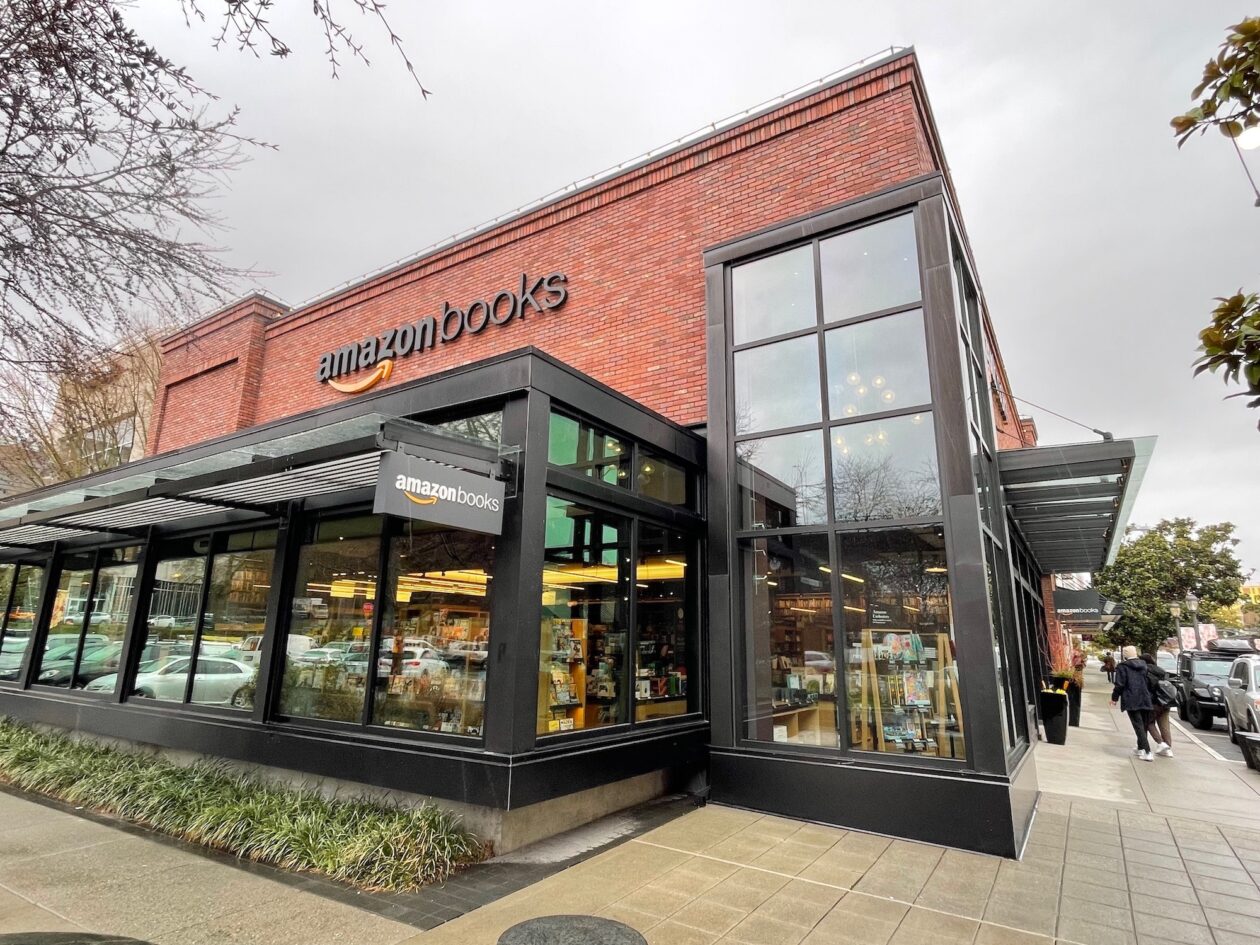
Back in November 2015, there was a real buzz around Amazon’s first physical bookstore in Seattle’s University Village. A GeekWire photographer even got creative, attaching a camera to a pole just to sneak a peek inside before it officially opened. It felt like a historic moment—the world’s largest online retailer dipping its toes into brick-and-mortar shops. Fast-forward a few years, and that excitement has faded. The bookstore shuttered in 2022, marking the start of a trend. Now, Amazon is closing its last handful of homegrown physical stores, like the 57 Amazon Fresh grocery outposts and the remaining 15 Amazon Go convenience spots. It’s a bittersweet full-circle, reflecting the company’s willingness to experiment, but also highlighting the challenges of translating its digital wizardry into real-world retail magic.
Lessons from the Closures
In an internal memo, Amazon’s leaders thanked the teams behind these ventures, calling them pioneers whose work will influence future ideas. The technology powering Amazon Go—the “Just Walk Out” system of cameras and sensors that lets you grab items and pay automatically—has found new life, licensed out to over 360 spots like stadiums and airports. But as a physical retailer trying to build its own brands, Amazon struggled to find a winning formula. The company never hesitates to cut projects that don’t pan out, guided by its principles of bold action and calculated risks. Yet, these physical efforts tested those values more than most. Bookstores gone, 4-star ratings shops poofed, Pop Up stores vanished, clothing lines like Style folded in 2023—it’s like watching a grand experiment unravel, leaving only Whole Foods, the venerable chain acquired back in 2017, not invented anew.
The Heart of the Issue: Efficiency Over Warmth
What went wrong? Brittain Ladd, a former Amazon supply chain consultant from 2014 to 2017, nails it: Amazon’s core strengths lie in optimizing logistics and tech, not crafting inviting, human-centered stores. He describes walking into an Amazon Go as feeling eerily cold and robotic, like something out of a post-apocalyptic movie where only machines remain. Customers crave value, memorable experiences, and quality that makes them feel good about shopping in person. Amazon excelled in making things efficient and speedy, but that didn’t always translate to the warm, fuzzy interactions people seek in physical spaces. This disconnect meant their stores often felt more like futuristic labs than cozy community spots, pushing shoppers back to competitors who got the emotions right.
Pivoting to Delivery: A Smarter Play
On the brighter side, some analysts see this not as failure but strategy. Amazon is doubling down on delivery, especially for everyday essentials and perishables. Same-day shipping of milk, eggs, and produce is now in over 2,300 U.S. cities, seamlessly integrated into your online cart with gadgets and household goodies. Jason Goldberg from Publicis points out that Amazon is winning at groceries through climate-controlled fulfillment centers, not by battling store-for-store with giants like Walmart or Kroger. Wall Street agrees—stock even ticked up after the closures, viewing them as a step toward leveraging Amazon’s fulfillment network and Prime perks. They’re testing “Amazon Now” for hyper-fast, 30-minute deliveries from mini-hubs in places like Seattle and Philadelphia, posing a direct challenge to firms like Instacart.
Navigating Whole Foods’ Hurdles
Whole Foods, now Amazon-owned, has seen sales jump over 40% since 2017, with plans for more than 100 new stores. But challenges persist. Ladd notes that many Whole Foods shoppers buy basics there then head elsewhere for familiar brands like Coke or Tide. Amazon’s workaround? At a Plymouth Meeting, PA, store, they’ve created a “store within a store” where you scan QR codes on shelf displays to order name-brand items like Kraft Mac & Cheese or Pepsi. These get fulfilled by robots in a hidden 10,000-square-foot micro-center, ready for pickup by the time you’re done shopping. Amazon vows to expand this. Ladd thinks it’s overkill—they could just add an “Amazon Grocery” aisle with these products on shelves. Despite this, Amazon’s unveiling hybrid stores in Chicago and planning a massive 230,000-square-foot supercenter blending groceries with general merchandise shows they’re innovating to bridge gaps.
Bezos’ Vision and the Quest Ahead
It all traces back to Jeff Bezos’ bold dreams in the early days. He believed AI and computer vision could banish waiting in lines, something he saw asursed. His 2012 chat with Charlie Rose was clear: Amazon would only do physical stores if they were uniquely Amazon, not cookie-cutter imitations. Bezos initially scrapped a bigger grocery idea after seeing lines for weighing items—too messy. They shrank to Amazon Go, expanded later with Go Grocery and Fresh. At peak, 26 Go stores dotted cities, but the road was rocky. Now, with these closures, Amazon’s still evolving, searching for that “truly differentiated idea.” It’s a story of ambition, missteps, and relentless adaptation, proving even tech titans like Amazon learn from the real world one store at a time. The future might not be crammed shelves, but seamless deliveries that bring the world to your doorstep, keeping the wonder alive in new ways.