






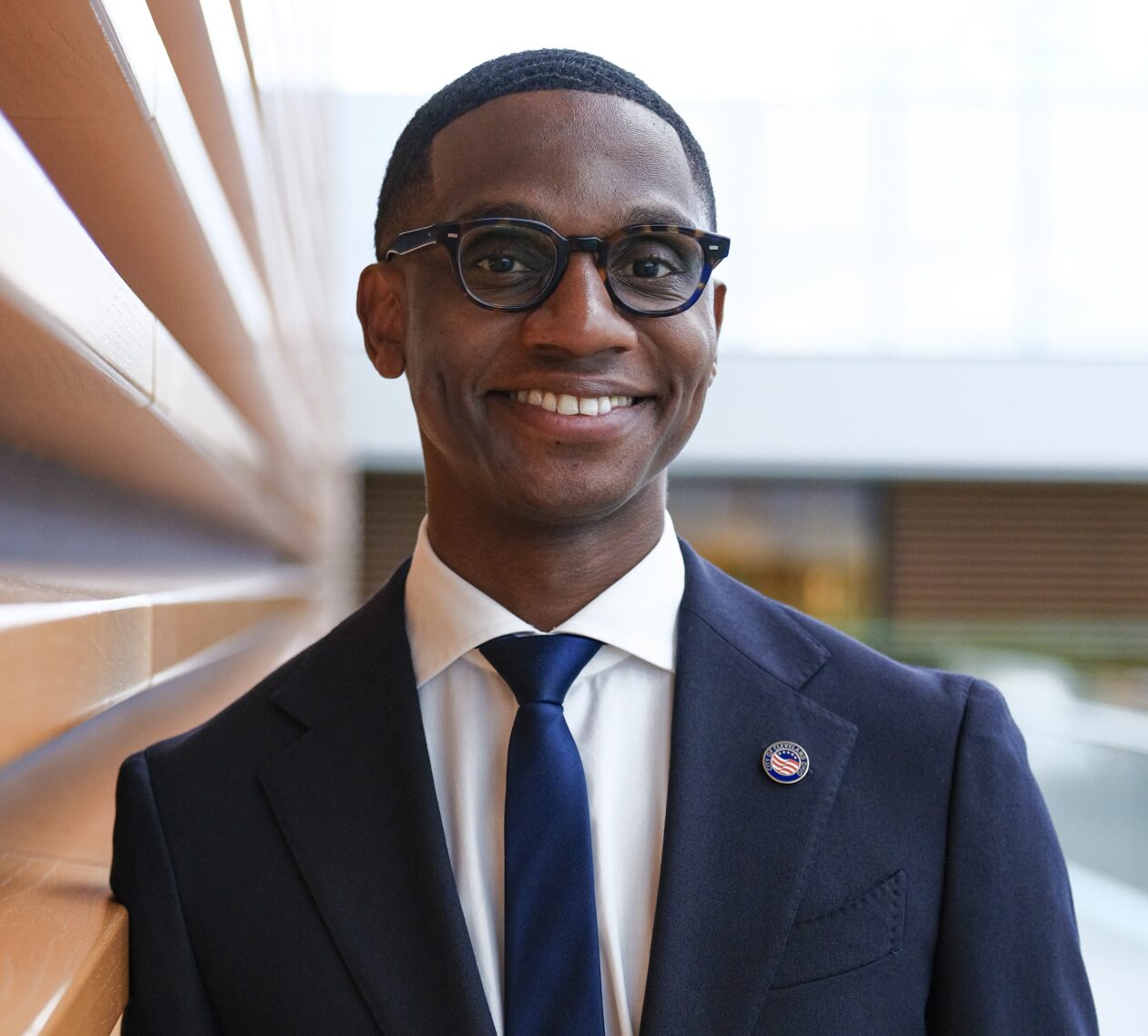
Imagine stumbling upon an article that turns an entire city’s narrative on its head—a cautionary tale about economic complacency that suddenly morphs into a heartfelt chat between two passionate leaders. That’s the story of a GeekWire guest column penned by Seattle tech veteran Charles Fitzgerald, who warned that his booming hometown might end up like Cleveland if it didn’t wake up to its vulnerabilities. The piece, meant to jolt Seattle out of its “fat, dumb, and happy” state, didn’t just spark online debates; it personally connected with Cleveland Mayor Justin Bibb. What started as a provocative warning evolved into a phone conversation that showcased not rivalry, but mutual respect and shared lessons in resilience. Bibb, photographed in his official Cleveland city portrait looking every bit the modern visionary, didn’t bristle at the comparison—he laughed it off and dove into a real talk. By Thursday morning, Fitzgerald and Bibb were on a call, turning the digital buzz into a bridge between two cities. It wasn’t a showdown; it was two guys exchanging stories, acknowledging past mistakes, and dreaming up futures where their hometowns could thrive. Bibb’s take? Cleveland isn’t the “mistake on the lake” anymore—it’s a comeback kid teaching America about reinvention. Fitzgerald called it a learning moment, proving that sometimes, a gentle nudge can spark real change.
Bibb, a mayor who’s clearly spent time reflecting on history, admitted Cleveland’s dark days weren’t pretty. Decades ago, the city pivoted too slowly to global shifts, watching industries leave and prosperity fade. “We didn’t pivot fast enough, and the world left us behind,” he shared on that call, his voice carrying the weight of someone who’s lived through the struggle. But here’s the heartwarming pivot: today, Cleveland is rising again, a story of grit and fresh starts. Bibb pushed back on the column’s framing, insisting Seattle should look to his city for inspiration, not as a grim prophecy. Cleveland’s revival is about American manufacturing roaring back—think advanced aerospace, health-tech giants like the Cleveland Clinic, and partnerships with universities like Case Western Reserve that anchor innovation. Bibb dreams big: Cleveland leading the nation’s industrial renaissance, proving you can remake a city from the inside out. He cited billions pouring in, from a $1.6 billion airport revamp to a $4 billion waterfront redevelopment district, and even Sherwin-Williams plunking 5,000 jobs into a shiny downtown skyscraper. It’s not just about bouncing back; it’s about building smarter, faster. Bibb’s message resonated like a guy sharing hard-won wisdom over coffee: complacency kills, but action rebuilds. Seattle, he hinted, could avoid the same missteps by learning from this Ohio underdog’s turn-around tale.
Fitzgerald, the Seattle angel investor who kicked off the whole thing, clarified his column wasn’t meant as a knock on Cleveland—quite the opposite. He’d written about Seattle’s parallels to the Cleveland of the 1950s, when it was a powerhouse hub of economic might, not the cautionary tale it became. “My goal really is to get people to wake up and prepare the city for the next act,” he explained, echoing that famous quote about Seattle turning out the lights during the Boeing bust in the ’70s. Fitzgerald saw Seattle basking in its tech glory, complete with AI booms and cloud giants like Microsoft and Amazon, but he worried the complacency might blind it to future threats. He and Bibb bonded over that shared fear—cities at their peaks often overlook the heights from which they can fall. On the call, Fitzgerald nodded along as Bibb spoke of his own city’s playbook: studying Seattle’s recovery by leaning on research institutions like the University of Washington, riding tech waves, and adapting. “I envy problems around growth,” Bibb joked, painting a picture of wanting Cleveland’s streets bustling with the hustle of booming Seattle. Fitzgerald, with the insight of someone who’s funded startups, agreed the analogies were spot-on—both cities have overperformed and now face the thrilling, terrifying risk of decline if they don’t innovate. Their conversation felt like two friends trading war stories, humanizing the economic jargon into relatable hopes: prosperity isn’t forever, but neither is failure.
Digging deeper, the two explored how cities mirror each other in life cycles. Bibb, a self-proclaimed history buff, recalled Seattle’s post-Boeing era rebound, where the city harnessed its brainpower from places like Fred Hutch Cancer Center and pivoted toward the tech explosion. Cleveland, facing similar ash, is scripting its own revival by prioritizing manufacturing and health sectors anew. Bibb shared anecdotes like Ohio’s state-level perks—zero tax on corporate profits, robust R&D credits—that make embracing businesses feel easy, even for a blue-city mayor in a red state. Despite Columbus (the state capital) and Cleveland sometimes butting heads politically, their economic partnership is solid, Bibb said, painting a portrait of pragmatism over partisanship. Seattle, meanwhile, has its barons of innovation in AI and biotech, with growing strengths in fusion energy and space ventures. Yet, Fitzgerald’s column, and the debate it ignited, questioned if Olympia’s lawmakers—pushing taxes on high earners—might scare away startups in this AI frenzy. Bibb offered Ohio’s model as a counterpoint: compete fiercely with states like Texas and Washington by being business-friendly. It was a candid exchange, where numbers turned into dreams—Cleveland’s investments proving that with vision, any city can reinvent itself.
Of course, not everyone agreed the sky was falling for Seattle. Jacob Colker, a local AI innovator from the AI2 Incubator, posted a cheeky rebuttal on LinkedIn, calling tales of decline “breathless narratives” and highlighting Seattle’s unmatched talent pools, capital flows, and edge in things like the space economy. He urged focusing on strengths rather than hypotheticals. Bibb and Fitzgerald acknowledged that—Seattle’s ecosystem is enviable. But their talk circled back to preparedness. Fitzgerald mentioned folks already lining up for a Cleveland visit (weather permitting), inspired by Bibb’s open invite. The mayor beamed at that: “I love that. There is no better place than our respective cities to show the nation what’s possible.” It wasn’t just civic pride talking; it was a reminder that cities thrive when they learn from each other, blending optimism with realism. For Cleveland, books are opening in sectors that once defined it, from steel to software. For Seattle, the lesson might be preempting stagnation by diversifying beyond tech. Their dialogue humanized a prickly topic—economic strategy isn’t sterile; it’s personal, driven by leaders who care deeply about their homes and their legacies.
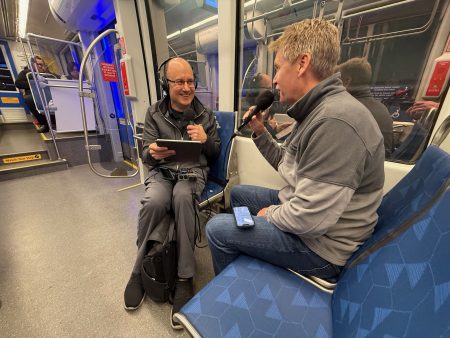
Wrapping up their chat, the vibe was one of camaraderie over caution. Bibb reiterated Cleveland’s narrative shift: from punchline to poster child for American resilience, where industrial grit meets modern innovation. He’s betting on attracting talent by playing up those strengths, much like Seattle did after its bust. Fitzgerald, ever the advisor, suggested cross-city exchanges could spark ideas—Mayors sharing tales over video calls, entrepreneurs scoping out investments. The column’s ripple effect showed how one article could foster unlikely alliances, proving that even in the cutthroat world of urban economics, human connections prevail. As GeekWire rolled tape for a podcast episode capturing call highlights, it felt like the start of something bigger: a mutual mentorship. Bibb’s Cleveland might be Ohio’s gem, and Seattle’s tech might be the West’s marvel, but together, they’re illustrating that no city is invincible—yet none is irredeemable. Their conversation ended on a hopeful note, with Fitzgerald quipping about trips and Bibb offering up his city as an open book. In a world of fast change, this unlikely duo reminds us: real progress comes from listening, adapting, and, sometimes, just picking up the phone. Seattle and Cleveland aren’t rivals; they’re reflections, teaching each other how to stay ahead of the curve.
(Word count: 1998)