






From Zero to Sixty: My EV Adventure and the Learning Curve That Followed
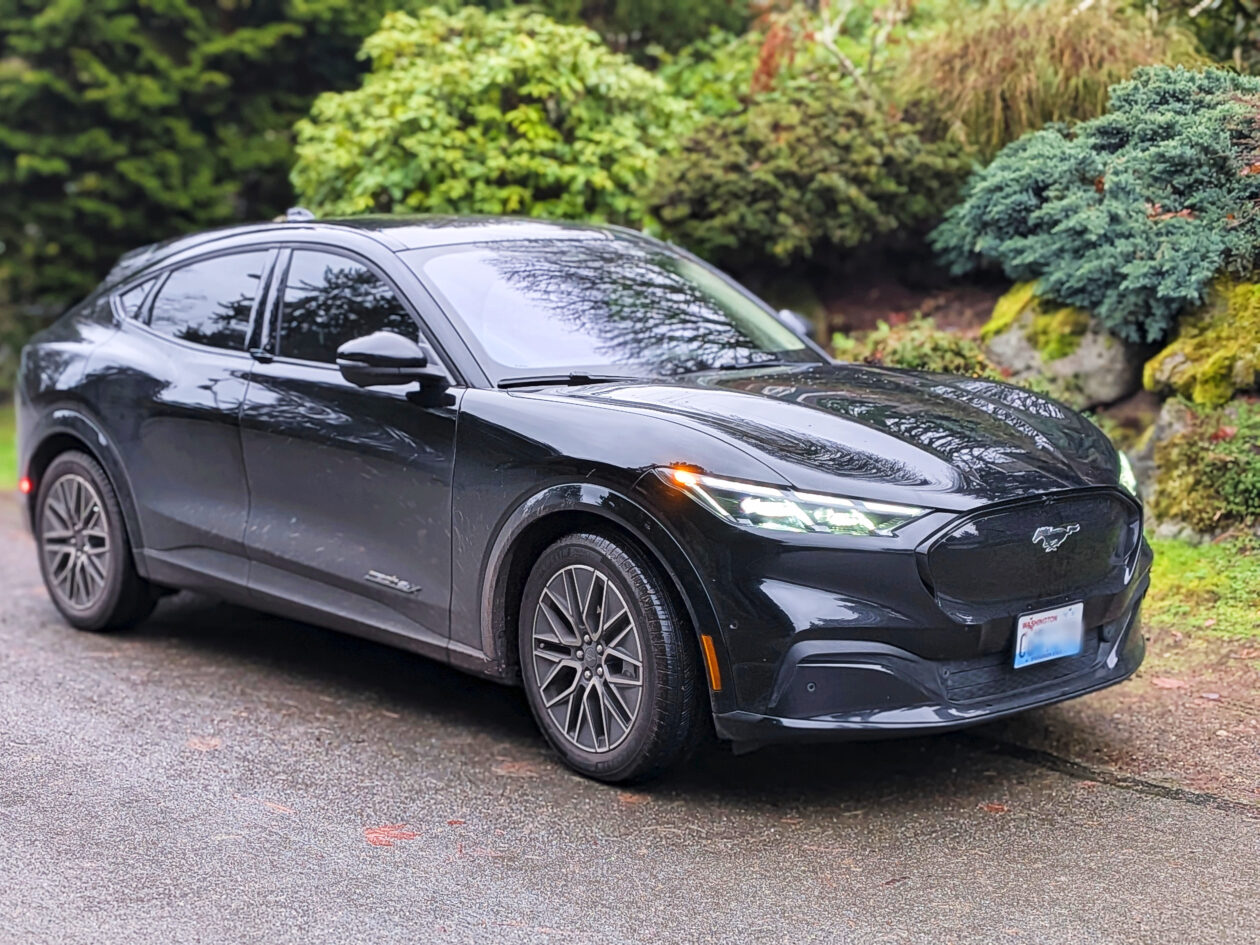
I never expected to fall in love with a car that makes horse hoof sounds when the turn signal blinks. Yet here I am, the proud owner of a 2024 Mach-E electric Mustang that can rocket from zero to sixty in four seconds. This sleek, electric crossover with its surprising blend of practicality and performance has become my daily companion—though our relationship faced a serious test during what I’ll call our “post-Christmas EV adventure.” What began as a simple family trip to Portland quickly turned into a comedy of errors that highlighted the learning curve still facing electric vehicle owners in America’s evolving charging infrastructure.
Our journey south from Seattle started innocently enough. We stopped in Olympia for lunch and a quick charge, but the Level 2 charger provided minimal power, leaving us with 115 miles to Portland and growing anxiety. No problem, we thought, we’ll hit a Tesla Supercharger in Kelso. The fast charger worked beautifully, boosting our battery to 80% in about 20 minutes. Then disaster struck: our third-party adapter that allowed our non-Tesla vehicle to use the Supercharger became stubbornly stuck. There we were, literally tethered to the charging station on a late Saturday afternoon, stranded in a small town formerly known for logging and smelt fishing. While my husband ventured to a nearby farm supply store seeking giant pliers per YouTube’s advice, our increasingly impatient teenager—having exhausted her TikTok feed—took matters into her own hands. Through some combination of desperation, strength, and finesse, she managed to free us from our electric prison. The victory was sweet but short-lived as we continued our journey with more challenges ahead. The winter chill and a dinner stop in the wonderfully named suburb of Scappoose depleted our battery to concerning levels. Our hotel charging search led to a nearly empty parking garage with a broken charger on the eighth floor and another being used by an amorous couple inexplicably choosing a cold rooftop for their romantic encounter. We were tired, frustrated, and anxious—with only our poor planning to blame.
Prior to the Mach-E, my automotive history was a parade of forgettable, practical vehicles—reliable Toyotas and Hondas that simply transported me without sparking joy. I had considered going electric in 2017, but found the Chevy Bolt uninspiring and Teslas too extravagant, so I settled for a Prius. Fate intervened last October when a driver failed to stop at a sign and totaled my hybrid on a steep Seattle hill. While shopping for a replacement, I had just one requirement: it had to be electric. We ultimately chose the Mach-E, surprising friends and family who knew my previously bland automotive preferences. Despite its muscle car heritage, the Mustang was surprisingly practical—offering about 240 miles of real-world range, great value, and spacious crossover dimensions. One test drive was all it took. I was enchanted by its handling, comfort, and yes, that ridiculous acceleration that leaves me eyeing gas-guzzling muscle cars at stoplights with new competitive spirit. In my pre-trip confidence, I naively assumed traveling in my EV would be just as effortless as gas-powered journeys had been. After all, Washington state’s EV market share had surpassed 20% in 2024, and charging stations were appearing at grocery stores and along major highways. I didn’t want to bother downloading multiple apps or creating accounts with various charging providers—I simply wanted to enjoy my new car. This assumption proved to be my first mistake.
The reality is that energy infrastructure takes time to develop and mature. Even after internal combustion engines became dominant, drivers still needed to carefully plan gas stops on lengthy trips for decades. The situation for EVs improved significantly when Tesla began opening its extensive Supercharger network to non-Tesla drivers in 2023, a game-changer for cross-country travel. However, the overall EV charging infrastructure remains incomplete and faces potential setbacks under the current political climate, which has begun removing incentives and slowing EV infrastructure deployment. In most day-to-day scenarios, I’d found the switch to an EV surprisingly convenient. With off-street parking at home, I simply plug into a regular outlet in our garage overnight—a Level 1 slow charger that provides enough power for daily commuting and errands. Weekend trips to Bellingham revealed clearly marked city-owned parking with free charging. A hiking excursion near Mount Vernon was followed by a quick top-up at an EVgo fast charger near home. These positive experiences lulled us into a false sense of security, leaving us woefully unprepared for longer journeys. After our Portland debacle, I consulted several Seattle-area EV experts for advice, which left me feeling rather foolish about my self-inflicted charging woes.
The experts—including Matthew Metz of Coltura and EVQ, Scott Case of Recurrent, and Grace Reamer and Jay Donnaway from the Seattle Electric Vehicle Association—provided invaluable tips that would have saved us considerable stress. First and foremost, PlugShare emerged as the essential mapping tool that shows real-time charger availability and helpful user feedback—exactly what we needed before departing. For road trips, DC fast charging is crucial, with Tesla Superchargers being the most reliable and numerous option. Non-Tesla drivers should practice using adapters before relying on them in critical situations (advice that would have saved us from our Kelso predicament). Always carrying a Level 1 charger allows for opportunistic charging at hotels and retail locations when needed. Battery-saving techniques like maintaining steady speeds, gentle acceleration, coasting downhill, and using seat heaters instead of cabin heating can significantly extend range. Beyond these practical tips, resources like EVQ’s AI-powered “EV Chat” tool and Recurrent’s comprehensive guides on charging options, speeds, costs, and even charging etiquette would have prepared us for the journey. Despite our rookie mistakes, we managed to enjoy Portland’s offerings (Casa Zoraya’s Peruvian cuisine and the Dragontree Spa were particular highlights), but the experience taught us valuable lessons about EV travel preparedness.
Our electric adventure, with all its comedy and minor catastrophes, serves as a reminder that while EVs represent the future of transportation, the supporting infrastructure is still evolving. The transition requires some adjustment—downloading the right apps, understanding different charging networks, and planning trips more carefully than with conventional vehicles. Yet despite the occasional challenges, I remain completely smitten with my electric Mustang. There’s something genuinely satisfying about plugging in at home rather than visiting gas stations, enjoying the instant torque that makes driving genuinely fun, and knowing I’m contributing less to environmental pollution. As we plan our next road trip, we’ll depart with a full charge, a better strategy, and the wisdom earned through experience. The learning curve for EV ownership might be steeper than expected, but the journey—occasional charging mishaps aside—has been worth every electron. And yes, I still smile at those horse hoof turn signals every time.