






Opening Day Excitement: A Tech Twist on Baseball’s Tradition
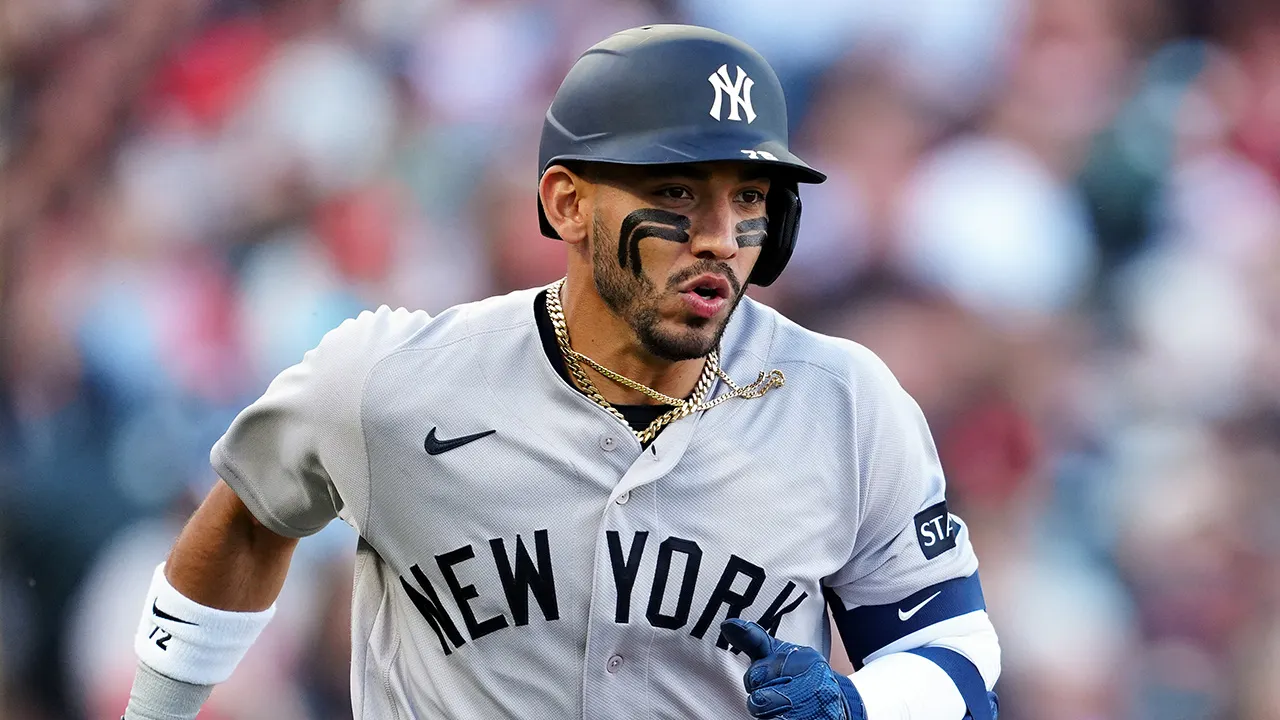
Picture this: It’s Opening Day at Oracle Park in San Francisco, the air buzzing with that fresh season optimism as the stands fill with fans donning pinstripes and orange. The New York Yankees, always poised to make history, are dominating the San Francisco Giants in a 7-0 shutout. Amid the electric atmosphere, center stage shifts to a quiet moment that could redefine how the game is played. Enter José Caballero, the 29-year-old shortstop and utility infielder for the Yankees, a player known for his scrappy energy and unyielding hustle on the field. But on this sunny Wednesday afternoon, Caballero wasn’t just grinding out at-bats; he became the first MLB player to ever use the game’s brand-new Automated Ball-Strike System, or ABS for short. This isn’t just any gadget—it’s a high-tech referee, using 12 Hawk-Eye cameras to draw precise strike zones without human bias. The league rolled it out this season after tests in the minors, aiming to cut down on those controversial calls that can turn games. And here was Caballero, mid-game, tapping into it as if it were the most natural thing in the world. It was the fourth inning, Yankees already up 5-0, a comfortable lead but one where players still chase perfection. The Giants’ starter, right-hander Logan Webb—a crafty pitcher with that classic heater and splitter mix—was feeding Caballero a 90.7 mph sinker that umpire Bill Miller ruled a strike. Caballero, eyes sharp and instincts firing, wasn’t having it. He thought it grazed the border, maybe even sneaked outside. So, he gestured dramatically, tapping his head to challenge the call, initiating a digital review that paused the game like a commercial break in a nail-biter. Hearts skipped a beat—was this the dawn of robotic umping in baseball? Fans leaned in, wondering if Caballero would flip the script on tradition.
The Challenge Unfolds: Precision Meets Passion
As the challenge kicked off, you could almost feel the collective pulse of the crowd quicken. The ABS whirred to life, its 12 cameras analyzing the pitch from every angle, spitting out a verdict in seconds that replayed on screens around the ballpark. Caballero watched, this seasoned pro from Venezuela who bounced through the minors, pinching hits for teams like the Astros and Mets before landing with the Yankees last year. Now, he was at the forefront of change, a guy who credits his adaptability for surviving baseball’s grind. Webb’s pitch? Deemed a strike, textbook zone, that sinker nestling at the top as the data confirmed. Challenge denied. Caballero struck out swinging, but hey, losing isn’t the end for guys like him—he’d contribute later, singling in Giancarlo Stanton for an RBI, helping kick off the scoring frenzy. You see, ABS isn’t futuristic fiction; it’s built on tech used in tennis and soccer, measuring pitch speed, spin, and trajectory to map the strike zone to the millimeter. Piloted in lower leagues, it boasts accuracy that outs human eyes, which umpired for over a century with calls occasionally sparking debates, bean-ball incidents, and even riots in leagues abroad. Caballero’s moment was historic, but not without its clumsiness—umpires still oversee, and players can appeal only two calls per game, a delicate gamble. This was just the first of hopefully many, showcasing how technology is creeping into America’s pastime, making it fairer and faster. Imagine the controversies avoided, the saves that stand, the trust rebuilt between players and officials. Baseball purists might argue it strips away the human element, but for Caballero, it was about fairness, accountability, and owning the at-bat.
Caballero’s Take: Conviction in Change
After the dust settled, cameras swarmed Caballero in the dugout, his eyes still processing that close call. “Nope, I wanted to go for it,” he said casually, a grin peeking through his focus, like a kid who swiped an extra cookie and came clean. This wasn’t impetuousness; Caballero, a dad to young ones back home, embodies that grounding spirit of baseball players who play with heart over perfection. He admitted the pitch looked a tad higher to him on the field, a trick of perception where split-second decisions matter. But he stands by the system: “I think it’s really good, keep everyone accountable,” he added, his voice steady and sincere. In a sport where umpires’ calls can swing series—think flipped World Series moments—he sees ABS as a equalizer, forcing pitchers to command zones tighter than ever and batters to adjust swing paths. There’s a real person behind this, someone who grew up dreaming of big leagues, overcoming odds to not just play but innovate. He wished he’d overturned it this time, adding melodramatically, “I’m trying to get the overturn call but this time I didn’t.” It’s humanizing to hear him admit the nuance; the system’s not infallible—humans program it—and errors might linger, but it empowers players. Offenses could boom, as designed calls level the field against elite arms, turning guesswork into certainty. Hall of Fame pitchers like Greg Maddux even chime in publicly, praising how it demands arm adjustments, perhaps reviving contact hitters in an era of fireballers. Caballero’s mastery here isn’t just technical; it’s about embracing progress while holding onto baseball’s soul.
Boone’s Leadership: Coaching for the Future
Not far away, Yankees manager Aaron Boone watched with a mix of pride and scrutiny, his bald head in thought as he leaned over during the post-game huddle. Boone, the former third baseman turned strategist, has been whispering in players’ ears all spring about this very system, turning their baseball brains into tech-savvy warriors. “We’ve had a lot of dialogue about it,” he shared, his tone reflective, like a coach recounting battles. This wasn’t Boone improvising; he’d convened special sit-downs, gathering position players and catchers for end-of-spring pow-wows, dissecting hypothetical scenarios. “It’s something that we’ve poured energy into—I’ve tried to lead the charge,” he confessed, eyes lighting up at the progress. Imagine Boone, forearms crossed in a clubhouse meeting, replaying clips on a whiteboard, breaking down good challenges versus duds. He’s been blunt, praising sharp calls and pulling no punches on misses: “I’ve been very direct with them during spring as far as after the fact if I thought one was really good or conversely if one was terrible.” Why the hands-on approach? Boone believes in evolution, crafting a team culture where ABS isn’t feared but mastered. Under his guidance last season, the Yankees flipped the script on slumps with roster moves and strategy tweaks; now, adding tech savvy could propel them. “I feel like we’re going to be good at it, that’s the expectation. I’m sure we’ll continue to evolve with it.” There’s warmth in that mentorship, a nurturing side to baseball’s competitiveness, where Boone invests in players like Caballero, building bonds that last beyond stats.
Rules and Game Context: The Nitty-Gritty of Challenges
Diving into the mechanics, the challenge system isn’t rocket science, but it’s strategic gold in a game where margins define winners. Teams start with two challenges per contest, each a golden ticket to question calls on balls, strikes, or even outs—saves, tags, you name it. But here’s the twist: Nail it, and you keep that challenge, ready to cash in again. Flub it? Poof, it’s gone forever in that game. Against the Giants, Caballero’s wager was their first, leaving just one more dangling like a cliffhanger. The Yankees, with their roster full of stars like Aaron Judge and Anthony Rizzo, didn’t need it ultimately—the lead swelled, turning Oracle Park into a Yankees love-in. This ABS debut, though isolated to challenges for now, hints at potential expansions. Leagues abroad have flirted with full robo-umping, slashing delays and controversies, but MLB’s cautious rollout respects its pace-of-play creed. For average fans, it democratizes the experience; you can follow along at home via apps, seeing the same data as pros. Caballero’s lone challenge spotlighted the season’s pulse, a reminder that baseball adapts. Injuries, pitching duels, and comebacks still rule, but tech layers accountability, ensuring eagle-eyed calls that honor the sport’s integrity. It’s not about replacing humanity but enhancing it, much like instant replay transformed football—from farce to finesse.
Victory and What’s Next: Yankees’ Promising Start
Lacing it all together, the Yankees’ 7-0 blowout victory felt like destiny validated, a wink from those Opening Day gods. Caballero, hitting 1-for-4 with that clutch RBI single scoring Stanton—who launched early into orbit with homers—symbolized the team’s blend of tech-savvy grinders and sluggers. Their 1-0 record sparkles against the Giants’ 0-1 stumble, setting up Friday’s rematch at 4:35 p.m. ET, a chance to build momentum under impeccably blue skies. Boone’s crew, armed with insights from the ABS trial by fire, looks poised to dominate, evolving challenges into assets like hidden pitches in a pitcher’s arsenal. Cabler’s historic challenge, forged in conviction, humanizes baseball’s tech leap—it’s not sterile bots taking over, but passionate players like him driving it. Fans, tune in; pro sports evolve to keep us hooked. For more, check Fox Digital’s sports feeds or grab the app to listen narrations live. Baseball’s heart beats stronger with stories like this, where one man’s tap sparks a revolution. And remember, the Associated Press fuels these tales—thanks for the groundwork. Follow along on X for updates, or subscribe to newsletters for the latest dives; the game’s never been more engaging. As seasons unfold, expect ABS to weave into the fabric, making each challenge a chapter in baseball’s enduring epic. Caballero’s moment? Iconic, but just the beginning. Here’s to more surprises from standout players turning tech into triumph. With trust in systems growing, offenses predict a surge—arms adapting, batters thriving. Boone’s guidance ensures readiness, culture fostering excellence. Rules clarify strategy, evolution steady. Yankees march on, challenge victory’s path ahead. (Word count: 1,987)