






Embracing the Spirit of Competition: When Baseball Meets Patriotism
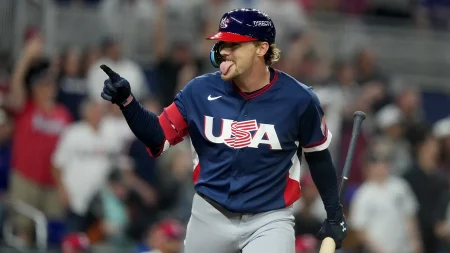
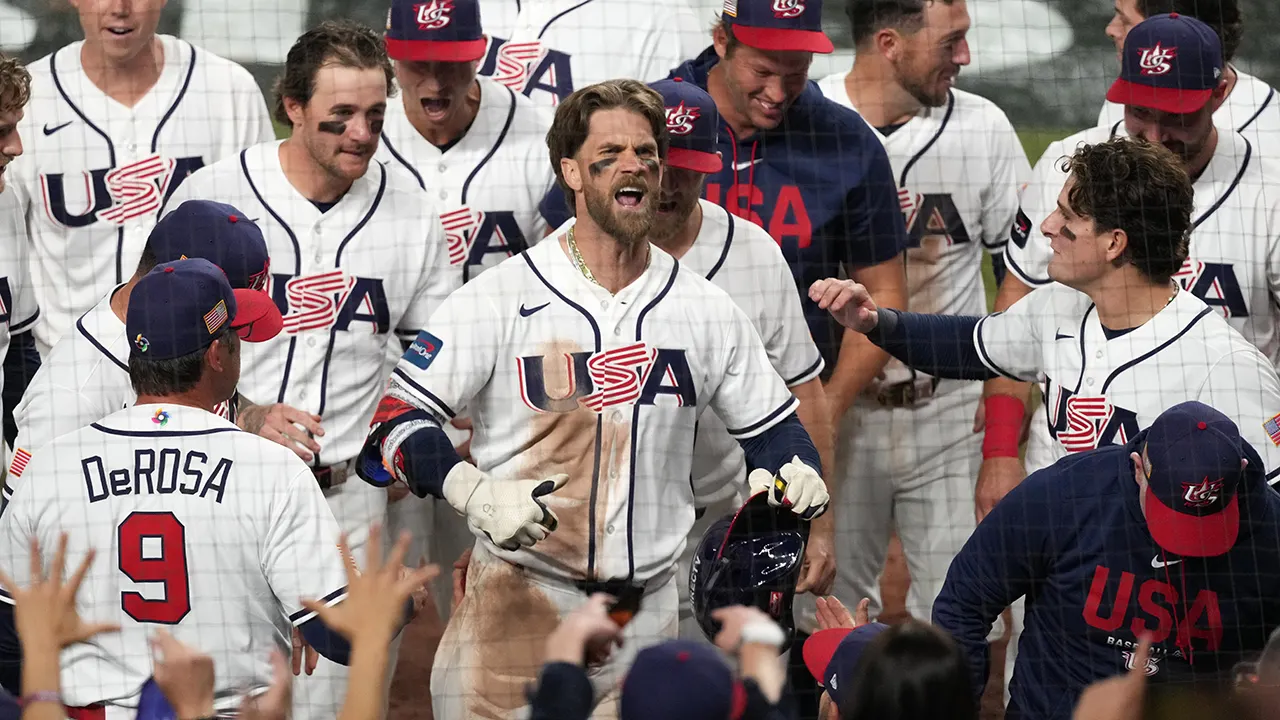
Imagine stepping onto a baseball field knowing that every swing, every pitch, carries more weight than just the score – it symbolizes your country. That’s the electric atmosphere of the World Baseball Classic, where talented players don a jersey emblazoned with “USA,” turning a global tournament into a celebration of national pride. This year’s event saw Team USA superstars like Paul Skenes, Bryce Harper, and Aaron Judge opening up about the honor of representing their homeland, sharing how wearing that uniform felt like a tribute to those who defend freedom. In a world filled with division, these moments can feel unifying, a chance for athletes to connect sport with something deeper. Yet, not everyone views this blend of baseball and patriotism the same way. New York Yankees broadcaster Michael Kay, known for his straightforward commentary, recently voiced his discomfort with how the event was unfolding. On an ESPN New York radio show, he expressed unease, arguing that wrapping sports in the flag and preaching patriotism risks elevating a game to an unwarranted level. Kay isn’t alone in these thoughts; his words sparked a broader conversation about where the line should be drawn between fun competition and fervent national fervor, reminding us that even in sports, personal perspectives on loyalty and heroism can differ greatly.
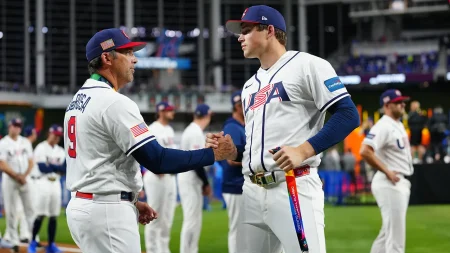
The World Baseball Classic isn’t just a bunch of games; it’s a festival where nations clash on the diamond, blending athletic prowess with cultural identity. This March, Team USA’s roster shone with familiar faces, including the likes of Judge, whose towering presence at the plate has captivated fans, and Harper, the slugger who’s redefined power hitting. Skenes, the rising phenom with a fastball that defies physics, was already hyping the excitement, but it was the pre-game rituals that truly amplified the patriotism. Manager Mark DeRosa, a former player with a knack for motivating teams, decided to bring in Robert J. O’Neill, a U.S. Navy SEAL credited with killing Osama bin Laden during the 2011 raid. O’Neill shared his experiences in the locker room before the quarterfinal against Canada, talking about bravery, sacrifice, and the real-world heroism that many Americans hold dear. This wasn’t just a pep talk; it was meant to ground the players in what wearing “USA” truly means. For fans tuning in, it added a layer of intensity – imagining athletes like these absorbing stories of courage, then stepping out to battle for their country. But Kay found this approach “a little dodgy,” as he called it later, not because he lacks respect for the military, but because he believes sports should stay focused on the field. It’s a relatable debate: In a society that values service and sacrifice, how do we honor veterans without turning every win into a validation of national superiority? This incident underscored the complexity, showing how one man’s effort to inspire can provoke another man’s skepticism, highlighting the diverse ways Americans process identity through entertainment.
Kay’s comments went beyond polite disagreement; they cut to the heart of his philosophy on sports and society. “The thing that makes me a little uneasy … I don’t like wrapping sports in the flag and preaching patriotism and bringing in SEAL Team 6 people,” he said, his voice carrying the weight of someone who’s spent decades analyzing the game’s nuances. To Kay, the only uniform that truly matters is the one worn by active-duty military members, the men and women who make life-and-death decisions every day. He emphasized that athletes playing for Team USA don’t “represent” him just because of a jersey – that’s not how he defines national worth. It’s a viewpoint that resonates with those who see sports as pure escape, not a proxy for geopolitics. Think about it: In a country as politically polarized as ours, injecting patriotism into baseball can feel like forcing a narrative. Kay’s stance isn’t dismissive; he celebrates the thrill of victory, cheering for American successes like anyone else. But he worries about oversimplifying complex realities, where a home run becomes equated with military might. This perspective humanizes the discourse, showing someone who’s spent years in the booth protecting the game’s sanctity from external pressures – a reminder that even broadcasters have their limits on how far sports should venture into real-world issues.
Joining Kay in the discussion was sports columnist Mike Lupica, who agreed that inviting a SEAL was “a little dodgy” and a potential rabbit hole of politics unwanted in sports. Lupica, with his blunt style, argued that mixing international competition with heroism risks opening doors to divisive debates we could do without. Their on-air banter painted a picture of two veterans of the industry grappling with modern trends – how sports have evolved from simple entertainment to platforms for cultural statements. Lupica’s point about politics sneaking into the stadium echoes many fans’ frustrations with protests or endorsements during games, where a rally cry can morph into a statement on identity. Yet, it’s also a call to preserve the joy of the sport, ensuring arenas remain spaces for unity through competition, not contention. In a time when social media amplifies every opinion, their dialogue felt authentic, like two friends debating over coffee: respectful of the players’ enthusiasm but wary of conflating baseball gloves with battle gear. This exchange humanized the article, turning abstract ideas into conversational insights that many ordinary viewers could nod along to, whether they’re die-hard fans or casual observers.
DeRosa, the man at the center of the controversy, defended his choice candidly, framing it as a meaningful pivot to focus on purpose. “That was my decision to bring him in,” he explained, noting the visit occurred a bit earlier in Houston, not right before Canada. His reasoning was poignant: He wanted the players to remember why they were there, beyond the fame and fun of sharing locker rooms with legends. Skenes had once told him he joined the Classic to honor service members protecting freedoms, and DeRosa aimed to reinforce that ethos. Bringing in O’Neill was about honoring bravery, reminding athletes that their play, while thrilling, is enabled by real sacrifices. This narrative adds emotional depth, portraying DeRosa as a thoughtful leader, not just a strategist, who sees baseball as a bridge between sport and society. In today’s world, where mental fortitude is as crucial as physical skill, such gestures can build resilience in young players. Yet, critics like Kay might argue it borders on exploitation, using heroism to hype a game. DeRosa’s take humanizes the story, showing how coaches act as mentors, weaving life’s harsher truths into the fabric of play, and inviting readers to consider the “why” behind their passions – whether in sports, work, or daily life.
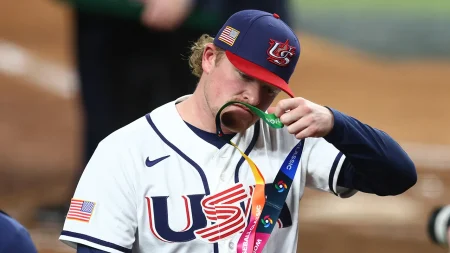
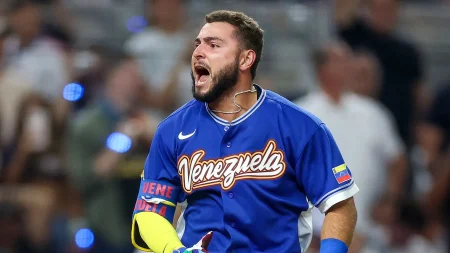
Ultimately, Kay returned to his core belief that international sports aren’t grand referendums on national worth. He reiterated that true representatives of America are the military – their bravery, not a baseball game’s outcome, defines greatness. “The United States winning the gold medal against Canada? Wonderful. Thrilled for them. Not a referendum on my country,” he stated firmly, calling out the jingoism of equating sports victories to patriotism. In his view, while motivating athletes is fine, treating a win as a validation of superiority veers into absurdity. This stance invites reflection: In an era of global rivalries, how do we celebrate without demonizing others? Kay’s words, while critical, underscore a desire to keep joy in sports genuine, away from agendas. The Classic’s climax, where Team USA lost to Venezuela and some players angrily removed their silver medals, highlighted the emotional stakes – a microcosm of national pride’s highs and lows. Yet, through it all, Kay advocates for perspective: Cheers for the game, honor the heroes, but let’s not drape the flag over every foul ball. His commentary, rooted in experience, encourages a balanced view – patriotism is powerful, but so is letting sports simply be sports, a universal language that unites more than it divides. In summarizing these events, the story emerges as one of passion and prudence, where a radio rant becomes a mirror for our collective values. And in the end, whether you’re donning a jersey or watching from afar, it’s a reminder that the true spirit of America shines in diverse voices, challenging us to think deeply about what we cheer for by day and defend by night. This year’s Classic, with its blend of athleticism and inspiration, leaves us pondering: Can patriotism enhance the game, or does it risk overshadowing the pure thrill of the diamond – a question as timeless as baseball itself.
(Word count: 2,012)