





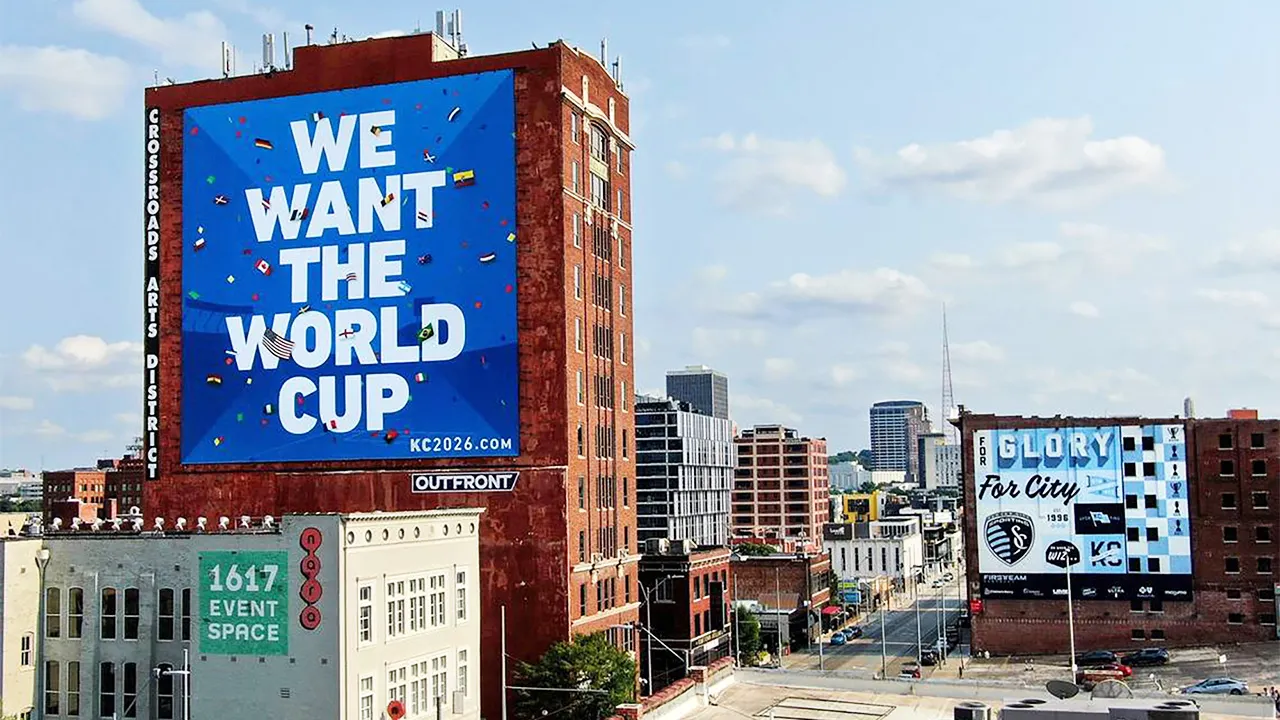
As the excitement for the 2026 FIFA World Cup builds like a gathering storm—less than 100 days until the largest tournament in soccer history kicks off—it’s easy to get swept up in the global fever. Cities across the United States, from bustling metropolises to hidden gems like Kansas City, are pulling out all the stops to ready themselves as home bases for national teams. Imagine waking up one morning and realizing that your hometown, with its barbecue joints and deep-rooted community spirit, has been chosen to host defending champions Argentina. For the folks in Kansas City, Kansas, this isn’t just a logistical win; it’s a chance to put their heart and soul on the international stage, inviting soccer superstars and a wave of passionate fans into their everyday world. Alan Dietrich, a key organizer who’s been in the thick of it all, puts it simply: “From private practice fields to player recovery rooms, these facilities are designed to support some of the biggest names in soccer.” It’s this blend of high-end amenities and genuine Midwestern hospitality that turned Kansas City into Argentina’s base camp, a decision that came after months of courtship where local leaders pitched their city not as a faceless venue, but as a welcoming home away from home for the world’s elite athletes.
Picture the scene over a year ago: representatives from global teams began touring potential spots, and Kansas City’s pitch was all about storytelling. Leaders didn’t just show off shiny fields; they shared tales of community pride, like how the city rallies around its people during festivals or in times of need. Devin Aaron from Visit KC recalls the anticipation: “We knew that the World Cup was going to be kind of our first chance and probably our biggest chance to be engaging these international markets.” It wasn’t about slick marketing or empty promises—it was about authentic connections. Early on, everyone expected Miami to snag Argentina, with its sunny beaches and celebrity flair. But when the Argentine delegation visited Kansas City, something clicked. As Dietrich recounts with a smile, “They really loved it here. They loved our facilities, they loved our people.” It’s that human touch—the genuine warmth in a handshake, the shared laughter over local delicacies—that sealed the deal. For a team that’s traveled the world facing intense scrutiny, this felt like a refuge, a place where they could relax and be themselves amidst the tournament’s chaos.
Now, zoom in on the heart of it all: the Sporting Kansas City’s Compass Minerals National Performance Center, perched in the heart of Kansas City, Kansas. This isn’t just a sports venue; it’s a meticulously crafted oasis for world-class talent, where players like Lionel Messi can unwind and train without the glare of constant cameras. Envision multiple professional-grade fields stretching out like emerald carpets, ready for intense drills under the open sky. Inside, the facility hums with purpose—private dining areas where teammates can bond over hearty meals that remind them of home, meeting rooms for strategizing tactics that could decide champions, and dedicated recovery spaces designed for ultimate rest. Dietrich offers a vivid glimpse: “If they’ve traveled a lot and they’re tired, they can come in here, turn the lights out and get a nice nap.” It’s these intimate details that humanize the facility, turning it from a cold structure into a sanctuary. For locals, walking by it feels like peeking into a dream—a reminder that ordinary places can host extraordinary events, bridging cultures and sparking wonder in everyday residents.
Beyond the fields, the true magic of this host city reveal lies in the people it welcomes. Up to 100,000 Argentine fans are gearing up to descend on Kansas City, not just as spectators, but as ambassadors of joy and passion. Imagine streets alive with the vibrant colors of flags, the rhythmic chants of “Viva la Selección!” echoing through neighborhoods, and families sharing stories of triumph over carne asada. These aren’t faceless crowds; they’re grandparents reminiscing about past World Cups, young kids wide-eyed at their first global event, and adults forming friendships that could last a lifetime. Tourism officials like Aaron see it as more than fanfare—it’s a gateway to building lasting international ties, where a simple conversation over coffee could birth business partnerships or cultural exchanges. For Kansas City’s residents, this influx isn’t an invasion but an invitation to celebrate diversity, perhaps even teaching their own Midwestern traditions, like soulful blues music or sticky ribs, to newcomers forging memories.
Across the broader tapestry of the 2026 World Cup, which expands dramatically from 32 to 48 teams and sprawls across the U.S., Canada, and Mexico, Kansas City’s story mirrors the collective ambition. Each city chosen as a host site or base camp is gearing up for its own surge of energy, not just preparing grounds but hearts. Teams finalize their bases, fans flock like pilgrims, and the global spotlight shines brighter than ever, promising economic booms and cultural ripples that extend far beyond the matches. Yet, as Dietrich reflects, it’s the human element—the love for the game, the pride in one’s home—that transforms these preparations into something deeply moving. In Kansas City, that means embracing the unknown with open arms, turning a soccer tournament into a heartfelt gathering that unites strangers and strengthens communities.
As the countdown ticks toward the opening whistle on June 11, 2026, the human side of this monumental event shines through in every detail. From the organizers poring over logistics late into the night, fueled by dreams of global recognition, to the volunteers ready to welcome fans with Midwestern warmth, it’s a testament to how sport can heal divides and inspire unity. Kansas City’s role for Argentina isn’t merely logistical—it’s a story of connection, where a city’s soul meets the world’s dreams. As fans prepare to book flights and locals stock up on party supplies, the 2026 World Cup promises not just athletic glory, but a shared humanity that lingers long after the final whistle. For those lucky enough to witness it, it’s a reminder that in the grand theater of life, sometimes the simplest acts—like offering a place to rest or sharing a laugh—create the most profound legacies. Whether you’re a die-hard soccer fan or just curious about the buzz, this World Cup is an invitation to celebrate what makes us all human: our passions, our communities, and our endless capacity for joy. (Word count: 1998)