






An Unforgettable Showdown on Baseball’s Biggest Stage
Picture this: loanDepot Park in Miami buzzing with electric energy, the crowd a mix of shouts, flags waving, and hearts pounding as Venezuela squared off against the mighty United States in the World Baseball Classic final. It was more than just a game—it was a chase for history. Venezuela, fueled by their semifinal triumph over Italy, stepped onto the field with fire in their eyes, dreaming of becoming the fourth team ever to hoist the WBC trophy. The U.S., however, was a powerhouse, boasting legends like Aaron Judge and Bryce Harper. No one predicted what happened next: Venezuela’s mix of razor-sharp pitching and clutch hitting stunned the Americans 3-2, etching their name in baseball immortality. The atmosphere was thick with drama, every pitch a heartbeat, as fans from both sides reveled in the unpredictability of the sport we all love. It felt like one of those rare nights where underdogs remind us that talent and heart can topple giants.
Rodriguez’s Mastery and Venezuelan Momentum
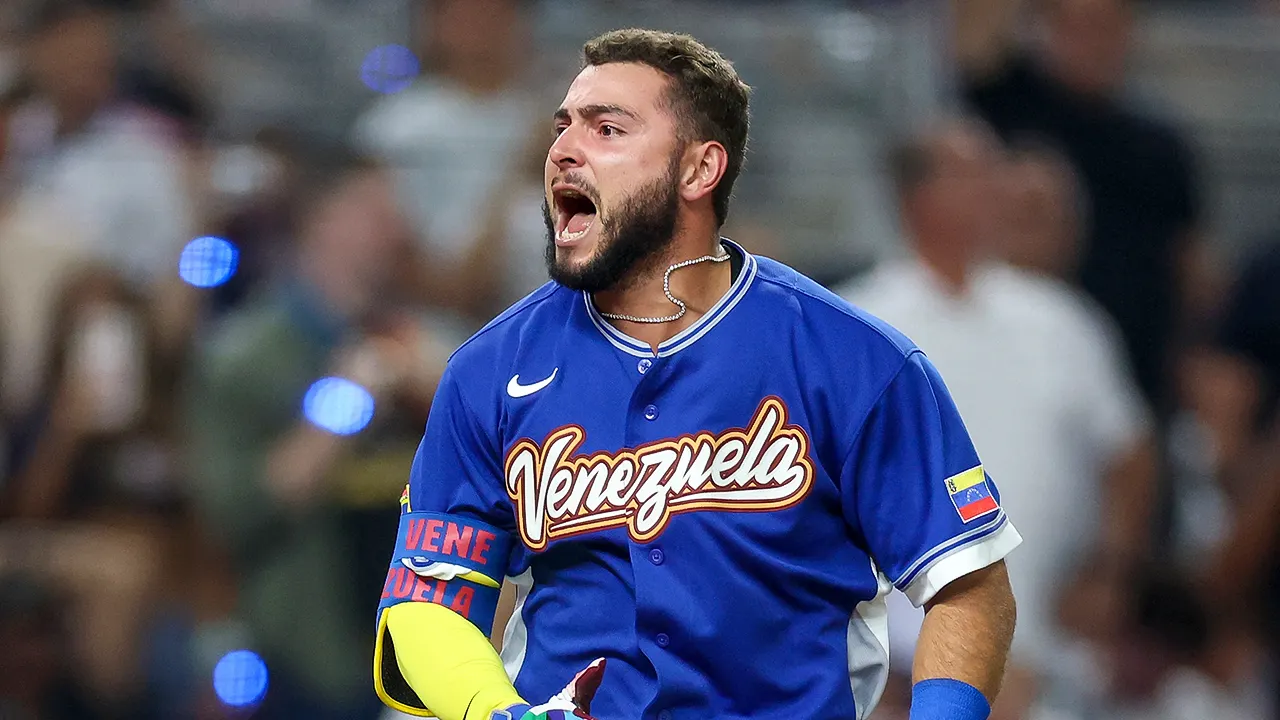
At the heart of Venezuela’s victory was Eduardo Rodriguez, a 32-year-old lefty who, despite a rough patch with a 5.02 ERA over the past two seasons, became a magician that night. Painting the corners with precision, he baffled the U.S. hitters, allowing just one single off Brice Turang and racking up four strikeouts, including a pair against team captain Aaron Judge. After 4.1 innings and 57 pitches, he had to tip his cap to manager Omar Lopez’s decision to pull him, but not before earning a roaring ovation from the Venezuelan faithful. His performance set the tone, keeping the U.S. to just four baserunners in the game’s early stages. Then came the bullpen heroes, like Jose Butto, who shut down the Americans until Bryce Harper’s lone hit in the sixth. On the offensive side, Venezuela struck early: Maikel Garcia’s fly ball in the third scored the first run, and Wilyer Abreu’s fifth-inning home run off Nolan McLean doubled the lead. Abreu sprinted like his life depended on it, pumping up his teammates as the crowd erupted. It was pure momentum, that exhilarating wave that baseball thrives on.
The U.S. Battles Back, But It’s Too Little, Too Late
Yet, momentum can flip in a heartbeat, and it did in the bottom of the eighth. With the U.S. clinging to life—down 2-0, limited to just two hits and zero runners advancing a station—they needed a spark. Bobby Witt Jr. walked, and then Bryce Harper stepped up, two outs already gone. Facing Andres Machado, Harper battled to a favorable count. The next pitch: a fastball down the pipe. Harper unleashed his signature swing, sending it soaring to deep center. As the ball cleared the wall, the stadium exploded. Harper screamed, his dugout erupted onto the field, and he saluted the American flag on his sleeve rounding the bases. In that moment, the game was tied—hope reignited. The U.S. felt alive again, needing just four outs to force extra innings. But baseball’s cruel beauty shone through; they were a hit away from disaster, with Harper’s heroism underscoring the drama’s edge. It was a testament to the grit of stars like him, turning a one-sided affair into something thrilling.
Venezuela’s Ninth-Inning Heroics Seal the Deal
Venezuela didn’t let the U.S. comeback faze them. In the top of the ninth, with the lead still theirs, Garrett Whitlock stumbled after his earlier dominance. He walked the first batter, watched Javier Sanoja steal second, and then Eugenio Suarez smashed a changeup into left-center for a two-run double, pushing the score to 3-2. The crowd, now firmly in Venezuela’s corner, roared in approval. It was clutch hitting at its finest, with Suarez’s swing embodying the team’s unrelenting spirit. Forged over years of passion for the game, Venezuela’s players celebrated wildly, knowing they were one inning from glory. This was no fluke; it was the culmination of their journey, proving that determination and smart play can conquer even the world’s best in high-stakes battles.
Palencia’s Closing Brilliance and a Nation’s Joy
Enter Daniel Palencia, the Chicago Cubs reliever tasked with slamming the door shut in the bottom of the ninth. Fresh off closing out Italy, this was his chance to shine on the grandest stage. He struck out Kyle Schwarber swinging, induced a pop-up from Gunnar Henderson, and fanned Roman Anthony to end it. The final out sent Venezuela into ecstasy—tears, hugs, flags waving high as confetti rained down. For a country often overshadowed by challenges, this win was more than a trophy; it was validation, hope, and shared joy. Palencia’s pitches weren’t just strikes; they were the exclamation point on an emotional rollercoaster. Fans bonded over the stories—the underdog rise, the pivotal swings, the unbreakable team spirit. It reminded everyone why we watch baseball: for these human moments of triumph and heartbreak.
Reflecting on the Magic and What’s Next
In the end, Venezuela’s inaugural WBC title wasn’t just about the score; it was about shattering expectations and inspiring millions. The U.S., with its star-studded roster, showed resilience until the last, but Venezuela’s blend of strategy, execution, and sheer will prevailed. From Rodriguez’s dominance to Abreu’s jubilant home run trot and Suarez’s game-winner, every play felt personal. As the Venezuelan players hoisted the trophy, you could sense the weight of their history lifting. Fans like you and me left the park talking about it for days, debating the what-ifs and celebrating the underdogs. Baseball, at its core, is about these stories—the comebacks, the heroes, the unbreakable human spirit. What’s next? More classics, more thrills. For Venezuela, this is just the start of a new chapter in the game’s global tapestry. And with Fox News now offering audio for their articles, you can relive the excitement anytime—dive in and feel the stadium roar all over again. Just remember, in the world of sports, anything’s possible when passion takes the mound.