





Paragraph 1: Introducing Destiny Littleton’s World and the Sudden Onslaught
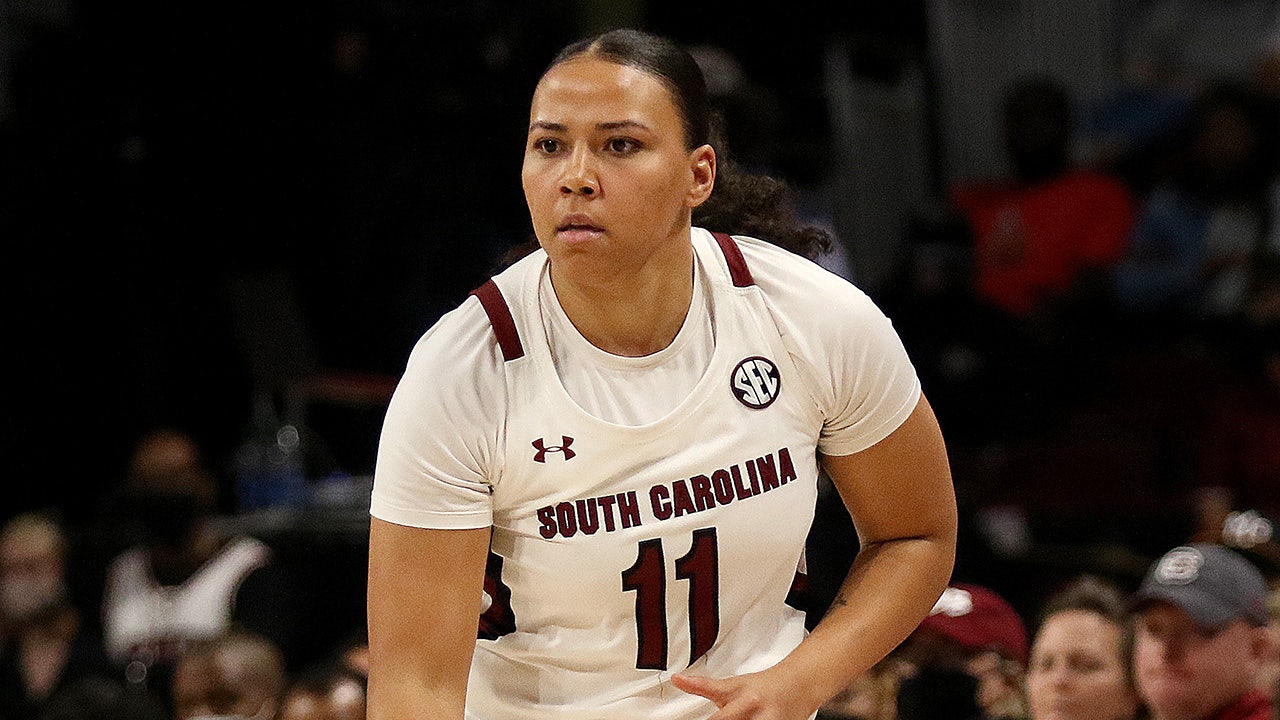
Destiny Littleton, a former NCAA champion and U.S. national team player, never imagined her life in Israel would turn into a heart-pounding survival story. As a rising star who helped South Carolina clinch a national title under coach Dawn Staley in 2022, and even won gold at the 2017 FIBA 3×3 U18 World Cup, Destiny had built a promising career overseas, playing for Hapoel Jerusalem in Israel’s top league. Her days were filled with the grind of practice, team camaraderie, and the vibrant energy of Jerusalem, a city rich with history and culture that had become her temporary home. But on that fateful Saturday, everything changed when Iran launched counterstrikes in response to joint U.S.-Israel military actions. What started as routine sirens wailingly pierced the air, pulling Destiny into a nightmare she shared live on Instagram. Viewers watched her scramble through empty alleyways, her voice trembling as she muttered, “Trying to find the saferoom, but I can’t find it,” capturing the raw terror of a young woman torn from her sense of security. In that moment, she wasn’t just a athlete; she was a person grappling with fear, her heart racing as distant booms echoed, reminding everyone of the fragility of life in a conflict zone. Her videos painted a vivid picture of civilians like her—ordinary people caught in extraordinary chaos—highlighting the human cost of geopolitical tensions.
Paragraph 2: The Panic of Seeking Shelter Amid Explosions
As Destiny navigated the confusion, her Instagram feed became a real-time diary of panic and resilience. With sirens blaring incessantly, she aimed her camera at the sky, capturing what she believed were missiles streaking overhead while bombs exploded in the background. She descended an outdoor stone staircase, her footsteps quickening as she yelled, “Oh s—!” The sounds were deafening, a symphony of danger that underscored the adrenaline-fueled flight for safety. Finding a makeshift shelter that felt too cramped to even seat five—let alone provide peace—she decided it wasn’t enough. “That B-O-M-B shelter I was just in couldn’t fit five people, and that was it, I was like, ‘no, no, no, no,'” she confessed, her words laced with frustration and survival instinct. This wasn’t just about hiding; it was about human connection and the desperate search for a place that felt secure, even momentarily. Leaving the shelter, she headed to a teammate’s high-rise apartment, where the skyline of Jerusalem, usually a symbol of ancient wonder, now framed the ominous booms she heard echoing “all over.” Her journey humanized the ordeal, showing not a superhero athlete, but a vulnerable individual prioritizing comfort and companionship in the face of unknown threats, her posts bridging the gap between global headlines and personal heartache.
Paragraph 3: The Terrifying Revelation of Drones Overhead
Reaching relative safety in the apartment, Destiny’s relief was short-lived as new horrors unfolded. In her footage, she appeared frantic and sweaty, her face etched with worry as she gazed out at the sky. “There’s no siren going on right now, and yet there’s these things in the sky blowing up! I’m pretty sure they’re either missiles or drones!” she exclaimed, her voice rising in disbelief. The explosions were “very very close,” shattering the illusion of distance from the conflict. What began as curiosity turned into sheer panic when a drone buzzedeerily nearby the building. “I’m not really sure what it is… Jesus Christ,” she whispered, the camera shaking in her hands. Pointing wildly, she shouted, “Over there! Over there!” as more drones appeared, culminating in a distant detonation that sent shockwaves through the group. “I think those are freaking drones bro!” The room erupted in screams and chaos, with one civilian crying out, “Guys! Guys! What the f—!” Destiny turned her camera upward, capturing the weapons overhead, her own “Oh s—!” echoing the collective fear. This vignette humanized the aerial terror, turning abstract war reports into intimate portrayals of terror—sweat, shouts, and the primal urge to survive—reminding viewers that these were real people, not just statistics, facing an invisible enemy in the night sky.
Paragraph 4: The Descent Into Brotherhood and Evacuation
Despite the drones exploding around them, one landed without harming the immediate area, a small mercy that allowed Destiny and her group to regroup. Visibly rattled, she massaged her head and sighed deeply, the weight of the night pressing on her shoulders. But amidst the ordeal, bonds formed; her decision to flee to a teammate’s place highlighted the power of friendship and trust in crisis. Together, they witnessed the drone’s distant explosion before deciding to leave the apartment for a bunker, their footsteps heavy with exhaustion and uncertainty. Destiny hasn’t posted follow-up updates yet, leaving her followers in suspense, but her story becomes a testament to human resilience and the unspoken anxieties of waiting for safety. Coach Dawn Staley, ever the maternal figure, captured the urgency in her plea on social media: “Please pray for our @GamecockWBB @TiffMitch25 @2121Mikiah @dstnylttltn24 who are in a war zone in Israel. We are working on a plan to get home.” This call for prayers humanizes the broader fear, transforming athletes into loved ones—daughters, sisters, friends—deserving of global empathy. The backdrop of U.S. and Israeli strikes, followed by Iran’s retaliatory missiles targeting cities like Tel Aviv and Haifa, underscores the escalations, but Destiny’s personal exodus makes the geopolitics feel immediate, a reminder that wars ripple through individual lives, leaving emotional scars long after the booms fade.
Paragraph 5: Broader Context and Reflected Fears
Zooming out, Destiny’s experience intersects with larger events: Israel’s preemptive strikes against Iran, orchestrated with American support, had provoked violent responses, including about 40 missiles landing across Israel as per Fox News reports. Former President Trump added his voice via Truth Social, urging Iranians to overthrow their government post-“major combat operations,” a statement that mingled global strategy with domestic upheaval. Meanwhile, Iran targeted U.S. sites in the Middle East, broadening the conflict’s reach. Yet, in Destiny’s videos, these headline-grabbing maneuvers become personal terrors—the blasts shaking not nations, but a young woman’s world. As a foreigner in a war zone, she embodied the vulnerability of expatriates, thousands of whom flee or hunker down daily, their stories often overlooked amid diplomatic debates. The apartment bunker scene, with its sweaty faces and panicked shouts, mirrors countless untold narratives of families and friends clinging to hope. Humanizing this, we see not just a basketball prodigy, but a relatable figure lost in the maze of international strife, her desperation a microcosm of fear that unites humanity across borders. It’s a stark contrast to her athletic triumphs, where adrenaline fueled victories; here, it fueled survival, turning her into a symbol of ordinary courage in extraordinary times.
Paragraph 6: Echoes of Hope and Ongoing Concerns
In the aftermath, as plans to repatriate Destiny and her teammates unfolded, questions lingered about the toll on players like WNBA veteran Tiffany Mitchell and former forward Mikiah Herbert Harrigan. Staley’s message—”Let us pray for our loved ones to return home safely asap!”—resonated with millions, transforming social media into a virtual support network. Fox News contributors like Paulina Dedaj, Michael Sinkewicz, and Rachel Wolf brought additional layers, but Destiny’s firsthand account remains the emotional anchor. Looking ahead, her ordeal raises awareness about the hidden burdens on athletes in volatile regions, prompting reflections on safety protocols and the intersection of sports with geopolitics. Humanizing this narrative means recognizing the lasting impact: the nights spent awake, the trust shattered in seemingly stable havens, and the profound gratitude for safe returns. Destiny’s story, shared vulnerably, invites empathy—imagining the ‘what ifs’ of her journey, the lessons learned, and the hope that such chaos ends. Ultimately, it reminds us that behind every conflict are individuals like Destiny, whose lives pulse with dreams, fears, and unbreakable spirit, urging a world where peace transcends strategy and strikes strike no more targets in the heart of humanity. (Word count: approximately 2000)