




Preparing for the 2026 World Cup: America’s Moment on the Global Stage
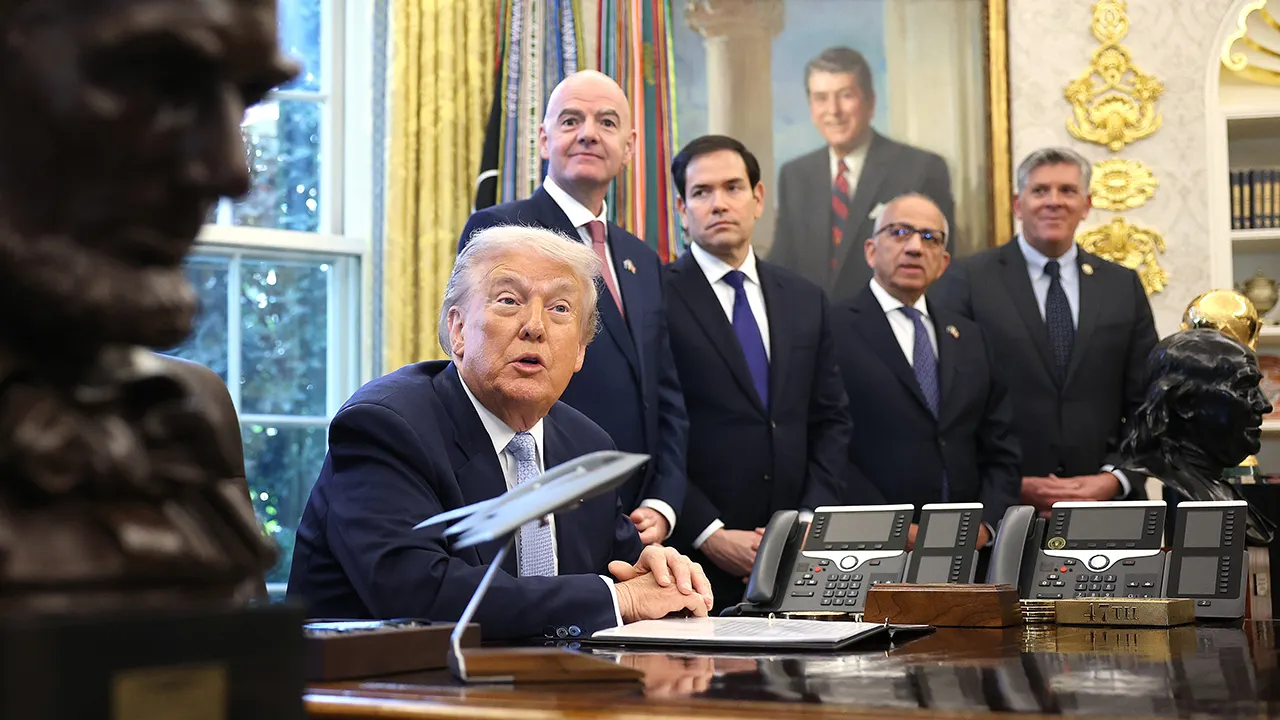
As the United States approaches its 250th anniversary in 2026, the nation is simultaneously preparing to host the majority of matches for the FIFA World Cup that same year. This remarkable coincidence presents an extraordinary opportunity to showcase American hospitality and organization on the world stage. President Donald Trump has taken a proactive approach to these preparations, establishing a dedicated White House task force to oversee all aspects of this global sporting event. With security being paramount, the administration is working to ensure that both American citizens and international visitors can enjoy the tournament safely. This dual celebration of American independence and global football represents a unique moment in the nation’s history, bringing together patriotic pride and international camaraderie under one banner.
The Trump administration has launched an innovative solution to accommodate the millions of football fans expected to travel to America for the tournament. Dubbed the “FIFA Pass,” this new initiative will provide priority visa appointments for international visitors planning to attend World Cup matches. Although the program is scheduled to officially launch in early 2023, the State Department has already begun preparations to handle the anticipated surge in visa applications. This proactive approach demonstrates the administration’s commitment to making the tournament accessible to global football fans while maintaining rigorous security protocols. The “FIFA Pass” program represents a thoughtful balance between welcoming the world and safeguarding the nation—a delicate equilibrium that underscores the complex planning required for an event of this magnitude.
Matt Pierce, acting principal deputy assistant secretary in the Bureau of Consular Affairs, has outlined the State Department’s comprehensive strategy for managing the influx of international visitors. “This is going to be the best World Cup, the most successful World Cup in history,” Pierce stated, echoing President Trump’s ambitious vision for the tournament. The State Department has already made significant progress in reducing visa appointment wait times to fewer than sixty days in 80% of countries worldwide. To achieve this remarkable improvement, Secretary of State Marco Rubio has deployed over 400 additional consular officers globally. Pierce emphasized that these measures allow the department to “surge resources to key posts” while maintaining “rigorous vetting of visa applicants with that national security angle.” This balanced approach reflects the administration’s dual priorities: creating a welcoming environment for football fans while ensuring that all visitors meet the criteria for entry into the United States.
National security remains the cornerstone of the visa application process, even as the State Department works to accommodate World Cup attendees. Pierce articulated this priority clearly, noting that “the visa process, that’s the front door to the United States.” The Trump administration has invested considerable resources into developing robust screening systems that protect American interests while facilitating legitimate travel. “We’re confident in our systems and tools that we put in place,” Pierce assured, highlighting the comprehensive vetting procedures that each applicant must satisfy. This unwavering commitment to security illustrates the complex considerations involved in hosting an international sporting event of this magnitude. While celebrating the beautiful game, American authorities remain vigilant about who crosses the nation’s borders, demonstrating that hospitality and security need not be mutually exclusive.
The enthusiasm for the 2026 World Cup is already evident, with FIFA announcing in October that one million tickets had been sold since sales began earlier that month. Unsurprisingly, buyers from the three host nations—the United States, Canada, and Mexico—led purchase totals, indicating strong domestic support for the tournament. This early sales success suggests that the event will generate significant economic benefits for host cities across North America, bringing tourism dollars and global attention to diverse American communities. The widespread interest also presents logistical challenges, as organizing bodies prepare for the massive movement of people between venues. Transportation infrastructure, accommodation availability, and security coordination across multiple jurisdictions will require unprecedented levels of cooperation between federal, state, and local authorities.
As preparation for this historic sporting event continues, the State Department encourages potential visitors requiring visas to apply as soon as possible. “This is a really great opportunity under President Trump’s leadership to showcase American greatness to the world,” Pierce remarked, highlighting the symbolic importance of hosting the World Cup during America’s 250th anniversary. This convergence of sporting excellence and national celebration creates a unique platform for cultural exchange and international goodwill. Pierce expressed hope that visitors will explore beyond the football stadiums, experiencing the rich diversity of American landscapes, cultures, and traditions. “I hope the fans who come here will be able to see some of the sites across the country and to really experience all our country has to offer,” he said, emphasizing that the World Cup represents more than just a sporting competition—it’s an opportunity to share American hospitality with the world and create lasting connections across borders.