






Olympic Dreams Derailed: Katie Uhlaender’s Fight for Fair Play
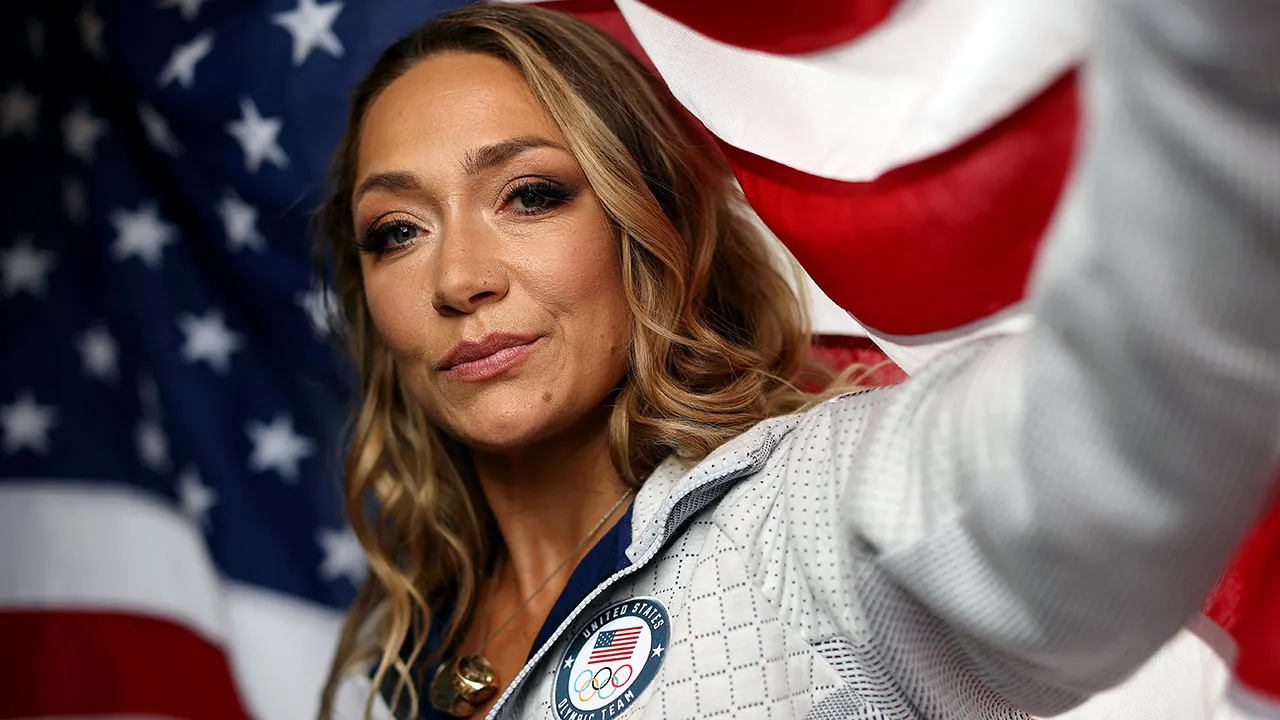
Five-time Olympian Katie Uhlaender’s journey to a historic sixth Winter Games came to an abrupt halt earlier this month due to an unexpected decision by Team Canada. At the North American Skeleton Cup in Lake Placid, New York, Canada withdrew four of its women’s skeleton athletes just before competition began. This strategic withdrawal had devastating consequences for Uhlaender’s Olympic dreams, as it triggered an International Bobsled and Skeleton Federation (IBSF) rule that reduced the available qualification points to just 75% of normal. The reduction mathematically eliminated Uhlaender’s chance to qualify for Milan-Cortina 2026 before she could even compete. The timing and nature of Canada’s decision has raised serious questions about fair play and the integrity of Olympic qualification procedures, especially after one Canadian athlete revealed that coaches explained the withdrawal was “in the best interest for the way points had worked” for their team to qualify two spots.
For Uhlaender, now 41, this setback represents more than just a personal disappointment. “It hurt all of us,” she told Fox News Digital, explaining that her concern extends to younger athletes who were hoping to make their first Olympic appearance. “I thought it was my duty as an American Olympian and someone who believes in doing the right thing to say something.” This sense of responsibility has driven Uhlaender to take action not just for herself, but for the principle of fair competition. She has appealed directly to the IBSF, paying a $5,000 fee to file a formal complaint about what she perceives as competition manipulation. Although the IBSF’s Interim Integrity Unit acknowledged concerns about the late withdrawals, they ultimately ruled that the governing rules allow teams to withdraw athletes at any time without penalty, leading them to dismiss her complaint.
Undeterred by this initial setback, Uhlaender has continued her fight through diplomatic channels. The U.S. Olympic and Paralympic Committee (USOPC) has now joined her cause, submitting a formal letter to the International Olympic Committee (IOC) requesting an additional Olympic spot for Uhlaender. In this powerful appeal, USOPC Chief of Sport & Athlete Services Rocky Harris stated, “These actions circumvented the Olympic qualification principles, undermined fair competition, and ultimately deprived Ms. Uhlaender of the opportunity to compete in the XXV Milan-Cortina Winter Games. It is undeniable that Ms. Uhlaender deserves to go to the Olympic Games.” The letter highlights the extraordinary circumstances that have led to this situation and appeals to the IOC’s commitment to fairness and integrity in Olympic qualification.
Uhlaender’s cause has gained remarkable international support, demonstrating that her concerns resonate beyond American interests. Teams from Belgium, South Korea, the Virgin Islands, Malta, Israel, and Denmark have all written letters supporting her appeal, suggesting that this issue touches on fundamental questions about the integrity of Olympic qualification procedures. Uhlaender even mentioned that some Canadian athletes privately support her efforts, though they cannot do so publicly. Her persistence reflects her commitment to principles that transcend national interests, joking that with her Danish supporters, “we haven’t talked about Greenland once.” This growing coalition of support suggests that many in the international sporting community share Uhlaender’s concerns about the precedent this situation could set.
The stakes of this dispute extend beyond Uhlaender’s personal Olympic ambitions to questions about how qualification rules can be manipulated and what protections should exist for athletes. Bobsleigh Canada Skeleton (BCS) has defended their decision, claiming it was made “after careful evaluation of the program’s needs and in consultation with the IBSF” with “careful consideration of athlete health, safety, and long-term development.” However, the timing and impact of the decision have led many to question these justifications. If the IBSF rules contain no safeguards against tactical withdrawals that alter point distributions, this case highlights a potential loophole in Olympic qualification procedures that could be exploited in the future. Uhlaender has indicated she is prepared to take her case to the Court of Arbitration for Sport (CAS) if necessary, demonstrating her determination to see this issue resolved properly.
As the Milan-Cortina Winter Olympics approach next month, Uhlaender is now appealing to Vice President JD Vance, who will lead the U.S. Presidential Delegation, to advocate on her behalf. “I respectfully ask that he stand with me as an Olympian that has represented the United States of America and our values,” she stated, hoping that high-level diplomatic intervention might still secure her participation. Her appeal to IOC President Kirsty Coventry requests a wildcard entry that would “protect the integrity of competition and prevent further harm.” Uhlaender believes that granting such an exception would send a powerful message to young athletes everywhere about the importance of ethics and integrity in sports. As this drama continues to unfold, it highlights the complex intersection of sports, rules, diplomacy, and the Olympic ideals of fair play that are supposed to guide international competition at the highest level.