





The Triumph on Ice: America’s Hockey Heroes and a Presidential Shout-Out
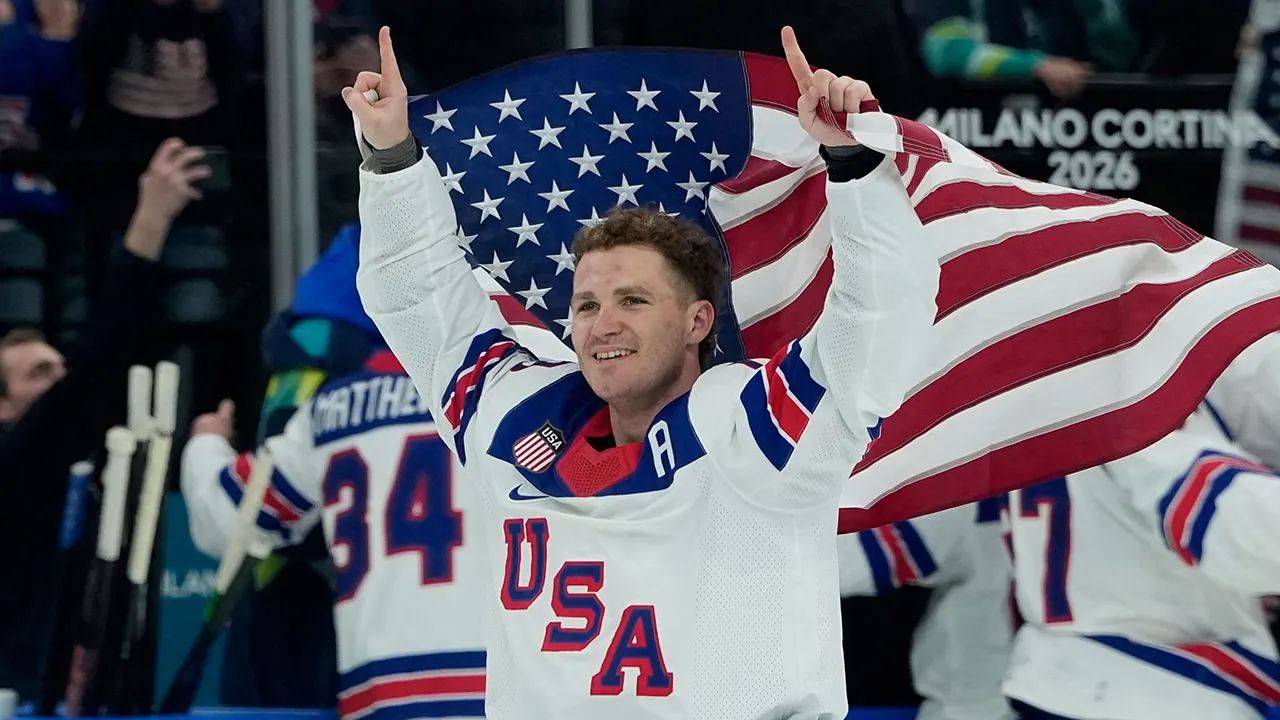
Picture this: the roar of a sold-out arena in South Korea, where the underdog United States men’s hockey team battled through grit and glory to claim their first Olympic gold medal in nearly three decades. It was February 2022, the Winter Olympics wrapping up with an electric final match against arch-rivals Canada. The Americans, fueled by teamwork and sheer determination, edged out the Maple Leafs 4-3 in overtime. In the chaos of celebration, national pride swelled not just among hockey fans, but across America. And who should reach out but President Donald Trump himself, dialing in to personally congratulate the team. Imagine the players, still buzzing from the win, answering the call from the leader of the free world. Trump wasn’t just offering kudos; he extended a VIP invitation to the U.S. men’s hockey team to attend his upcoming State of the Union address. It was a moment that blended sportsmanship with patriotism, reminding everyone that victories like this transcend the rink. As the team flew back home, weary but elated, Matthew Tkachuk, the standout forward from the NHL’s Florida Panthers, shared his thoughts upon landing at Miami International Airport the next day. Surrounded by flashing cameras and eager reporters, he walked through the terminal with a grin that spoke volumes. “It was super cool,” he said, his voice carrying that mix of humility and excitement that athletes wear so well. Tkachuk, at 24, had just helped deliver a golden trophy to the Stars and Stripes, and now he was fielding questions about a phone chat with the President. He described how honored he was to hear Trump’s words of support, not just for the hockey team, but for all American athletes striving for medals. It felt personal, like a nod from a fellow competitor in the high-stakes game of national representation. Tkachuk went on to tot off that the President encouraged them to keep pushing for as many golds as possible, a rallying cry that must have resonated deeply. In those airport corridors, with luggage in tow and dreams still fresh, he summed it up: representing the hundreds of millions across the country and bringing back that gold. It was more than a win; it was a story of unity and honor echoing across the globe.
A Champion’s Quiet Reflection Amid the Spotlight
Matthew Tkachuk, often dubbed “MT5” for his prowess on the ice, wasn’t just a key player in that Olympic triumph; he was a beacon of the team’s spirit. Standing at the airport terminal, his casual jeans and team hoodie a far cry from the bulky gear of the games, he reflected on the surreal moment of the presidential call. Reporters pressed him for details, and he didn’t hold back—there was no script, just genuine enthusiasm. The phone ringing in the team’s locker room post-victory, amidst the hugs and high-fives, Trump’s voice on the line offering congratulations. Tkachuk’s eyes lit up as he recounted how the President rooted for them, wishing the whole U.S. contingent success in racking up more medals. It was an unexpected boost, coming from someone who understands the pressure of public performance. You could sense in his words the raw emotion of an athlete who, despite his youth, carries the weight of national expectation. “Hearing that he was supporting us and all the other athletes wanting us to bring home as many gold medals as we can,” Tkachuk said, pausing to let the moment sink in. For him, it wasn’t just flattery; it was fuel for the fire. His response highlighted the honor of it all—speaking directly with the Commander-in-Chief, a figure synonymous with American strength and resolve. At that instant, in the bustle of Miami’s arrivals, Tkachuk embodied the bridge between sports glory and political acknowledgment. He spoke of feeling the backing not just from one man, but from an entire nation, families tuning in from coast to coast, moms and dads cheering for the red, white, and blue. It was a reminder that these young players were ambassadors, their gold medal a tangible symbol of perseverance and pride. As he thanked those around him, from teammates to fans, Tkachuk’s voice softened, revealing the human side beneath the hero’s facade—grateful, amazed, and acutely aware of the bigger picture. In the world of professional sports, where ego often runs rampant, his humble joy stood out like a clear shot on goal.
Weighing World’s Proudest Prizes: Gold Medals Versus the Stanley Cup
One of the most revealing parts of Matthew Tkachuk’s chat came when reporters asked him to compare the Olympic gold to another prestigious trophy he knew intimately—the Stanley Cup. Just months before the Olympics, Tkachuk had helped the Florida Panthers clinch back-to-back championships in the NHL, a feat that had etched his name in hockey lore. Yet, in the airport terminal, he drew a sharp distinction between the two. “You don’t compare that,” he said of the Stanley Cup, referring to the grueling 82-game NHL grind, full of brutal schedules, injuries, and playoff battles. Winning the Cup was the pinnacle of professional achievement, a testament to endurance over a long, relentless season. But the Olympic gold? That carried a different weight, one that tied into the soul of the nation. Tkachuk explained how the Cup was hard-earned, a trophy that validated years of sacrifice in the elite world of hockey pros. Players lived and breathed that chase, from preseason camps to the final buzzer, dealing with trades, rivalries, and the sheer exhaustion of top-level competition. It was personal glory, celebrated within the league’s tight-knit community. Conversely, the Olympic medal was public triumph, a beacon for everyone. Imagine the contrast: one prize hidden in the echelons of sports fandom, the other waved on global stages, uniting strangers in shared elation. For Tkachuk, who had tasted both, the Olympic win felt almost more profound because it wasn’t just about athletics—it was about meaning. He spoke of how the two-month Olympic grind, compressed and intense, demanded a different kind of resilience, blending individual skill with team synergy against international foes. No NHL game could replicate that electric atmosphere, where every shift carried the echoes of national anthems and ancestral rivalries. More than that, he emphasized the isolation and intensity: teams sequestered in Olympic villages, far from home comforts, pushing through jet lag and cultural shifts. Winning the Cup was a marathon of skill and stamina, but gold was a sprint toward legacy.
The Power of Unity: How a Hockey Victory Binds a Divided Nation
What struck Tkachuk most about the Olympic gold was its unparalleled ability to unite people, regardless of their hockey pedigree. In his words, this medal was “almost more meaningful to everybody else,” serving as a rare thread to stitch together the fabric of a diverse America. Picture the scene: a country still reeling from division, where politics and pandemics had fractured communities. Then, along comes Team USA, a hockey squad largely composed of NHL stars, dominating on ice and inspiring hope off it. The win over Canada wasn’t just about scoring goals; it was about rekindling that American spirit, where fans who never followed hockey found themselves glued to screens, celebrating as one. Tkachuk highlighted the unique role of Olympic sports in crossing divides—think of how this victory brought together urban fans and rural enthusiasts, hockey purists and casual observers. Unlike the Stanley Cup, which catered to die-hard enthusiasts familiar with rules and rosters, the Olympics cast a wider net, drawing in patriots from all walks. He reflected on the joy it sparked: school kids high-fiving, office workers toasting with coffee mugs, families gathered around TVs in modest living rooms. This wasn’t merely entertainment; it was catharsis, a release valve for national tensions. The symbolism ran deep—the U.S. flag raised high, representing resilience in the face of global challenges. For Tkachuk, who himself juggled professional demands with this amateur-for-14-days quest, it underscored the broader purpose of sports. By uniting Americans in celebration, the gold medal transcended the rink, fostering conversations about shared values and collective pride. In a time of partisan fervor, such moments reminded people of what they had in common: the thrill of victory, the dignity of effort, and the warmth of togetherness. Tkachuk’s insights painted a vivid picture of how fleeting this unity could be, urging folks to cherish it. It was a call to reflect on how, even in polarized times, sports could be the great equalizer, turning strangers into supporters and rivals into respected foes.
An Invitation to the Capitol: Team USA’s Next Move
Matthew Tkachuk didn’t mince words about the President’s State of the Union invitation—he expressed the honor it implied, though he kept the team’s plans loose. “We’re definitely honored to represent him and the hundreds of millions across the country,” he noted, hinting at the gravity of attending such a high-profile event. The State of the Union, Trump’s annual address to Congress and the nation, was slated for the following week, a platform for policy announcements and national updates. Trump, ever the showman, likely saw the hockey team’s presence as a perfect symbol of American excellence. But Tkachuk played it coy on logistics; he mentioned the guys planned to “party in Miami on Monday night,” a well-deserved blowout after months of sacrifice. Picture the scene: the team, jet-lagged and jubilant, hitting South Beach hotspots, toasting victories with beers and stories, decompressing from the Olympic intensity. Nights like that are the soul of team bonding, away from the spotlight, where wins turn into memories forged in laughter. Then, Tuesday would mean heading to D.C., if they chose to go— a pivot from fun to formality. For these athletes, used to arenas and locker rooms, mingling with lawmakers and cameras at the Capitol would be a whole new game. Tkachuk’s reflection carried an undercurrent of excitement mixed with realism; representing the nation meant embracing the honor while acknowledging the exhaustion. It was about bridging worlds: from the frosty Olympics to the polished halls of power. In conversations like these, you sense the players’ awareness of their elevated status—ambassadors now, their gold medal a passport to new experiences. As they weighed festivities against duty, it spoke to the human side of victory: balancing triumph with transition. Tkachuk, ever the pragmatic captain, left it open, suggesting the team’s next chapter was fluid, dictated by rest and reckoning. For fans, it was a tease of more stories to come, as these heroes navigated from Olympic glory to presidential pageantry.
Echoes of Victory: Sports, Leadership, and the American Dream
In the end, the U.S. men’s hockey team’s Olympic gold and Trump’s congratulatory call encapsulated a bigger narrative: the interplay of sports and statesmanship in shaping national identity. As Tkachuk’s airport reflections faded into headlines, it was clear this wasn’t just about hockey—it was a testament to the American dream, where grit meets glory on world stages. With the team’s possible presence at the State of the Union looming, it symbolized how one victory could inspire unity, leadership, and pride. Fans across the nation, glued to Fox News for updates, found themselves inspired, perhaps even tuning in to listen to articles via the app, as part of the evolving media landscape. Following Fox News Digital’s sports coverage on X offered more insights, while subscribing to the Fox News Sports Huddle newsletter kept enthusiasts in the loop. Related stories of athletic triumph reminded us that heroes like Tkachuk weren’t immune to human emotions— the thrill, the honor, the humility. This tale of gold medals and presidential kudos wasn’t just news; it was a human story of aspiration, where underdogs become icons and calls from the Oval Office become cherished milestones. In a world hungry for heroes, Team USA’s journey stood as a beacon, urging all to chase their golds, unite in celebration, and honor the spirit of the red, white, and blue. As winter melted into spring, the echoes of that victory lingered, a reminder that in sports and in life, unity forged in triumph could heal divides and lift spirits high. And for those who listened, whether on screens or speakers, the message was clear: keep pushing, keep believing, and let every gold shine bright as a symbol of what’s possible. Related Article.
(Word count: 2000)