





The Excitement of March Madness Builds
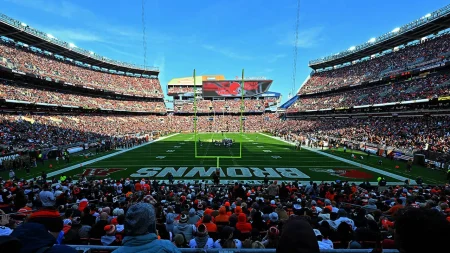
March Madness has always been a magical time of year, where underdog dreams collide with powerhouse expectations on the basketball court. Imagine the packed arena in Greenville, South Carolina, buzzing with energy as fans from both sides cheer their teams onward. Virginia Commonwealth University (VCU), the 11th seed, faced off against the mighty North Carolina Tar Heels, a No. 6 seed with a storied history of ACC dominance. For VCU, it was more than just a game; it was a chance to rewrite their narrative. The Rams, a program that had tasted victory in 2016 but lingered in the shadows, were led by determined young men who poured their hearts into each practice, dreaming of this moment. On the other side, UNC carried the weight of expectations, with alumni like Michael Jordan and coaches who expected to cruise to round two. As the tip-off neared, the air was thick with anticipation. Families huddled around TVs at home, coworkers paused for a quick game update, and social media buzzed with predictions. Little did anyone know, a heart-pounding overtime thriller was about to unfold, turning strangers into lifelong fans and reminding everyone why we love this tournament. The crowd’s roar, the squeak of sneakers, and the announcer’s voice all fused into a symphony of hope and possibility. In that arena, dreams weren’t just words—they were alive, breathing, and ready to shatter ceilings.
UNC’s Dominant Start and the Creaking Door of Doubt
The game kicked off with the Tar Heels asserting their superiority, a blueprint they’d followed for decades. With possession after possession, they sliced through VCU’s defense, firing off made buckets and settling into a rhythm that screamed inevitability. Players on UNC’s bench high-fived, coaches nodded approvingly, and fans in blue imagined a smooth path to victory. It was as if the court was their playground, and every layup or fadeaway felt effortless. Yet, beneath the confidence, a subtle tension brewed. Every missed jump shot from the Rams stung like a reminder of their underdog status, and perhaps even UNC sensed fate’s unpredictability. As halftime approached, they led comfortably, but basketball is a game of 40 minutes (or more), not 20. Those in the know whispered about VCU’s resilience—how they’d clawed back in practices and games all season, fueled by locker room pep talks and late-night film sessions. Families watching at home felt the weight; parents who had sacrificed for their kids’ dreams, kids who idolized stars like Larry King or Ronnie Thorpe, understood that deficits can vanish like fog in sunlight. The Tar Heels’ lead ballooned to 19 points midway through the second half, a chasm that seemed unbridgeable. But as the clock ticked down, uncertainty crept in. What if, just what if, the underdogs flipped the script? Hearts raced faster, palms grew sweaty, and the crowd’s collective breath held a palpable edge.
Overtime Chaos and Missed Opportunities
Entering overtime, the game morphed into pure chaos, a testament to the raw emotion and unpredictability of elite sports. The Tar Heels, who had dominated most of the evening, suddenly faltered at the free-throw line, missing shot after shot in those crucial extra minutes. It was a moment that exposed human vulnerability—athletes, no matter how polished, can crumble under pressure. Fans in Carolina blue felt their stomachs drop with each brick, while VCU supporters clung to hope like a lifeline. Nyk Lewis, the Rams’ freshman guard, drew a tough foul and hit a layup to give his team a slim lead, but Seth Trimble retaliated for UNC with a steal and a floater that tied it yet again. The back-and-forth was riveting, leaving viewers at the edge of their seats, perhaps reflecting on their own life’s ups and downs. Coach Buzz Williams of VCU paced the sideline, his mind racing through strategies he’d drilled for months, while his players embodied grit. On the opposing bench, Roy Williams—perhaps feeling nostalgia for his own coaching days—urged his troops, drawing from years of wisdom. Every whistle, every timeout felt like an eternity. Families gathering ’round shared popcorn and nervous laughter, while social media exploded with live reactions. In that overtime spell, basketball transcended the game; it became a mirror of perseverance, where one missed free throw could undo a season’s labor. The emotion in players’ eyes—sweat-soaked brows furrowed in focus, clenched fists begging for redemption—was a reminder that these young men were more than athletes; they were warriors chasing glory.
Terrence Hill’s Heroic Climb from Darkness to Light
Terrence Hill Jr.’s performance was the stuff of legends, transforming what could have been a forgettable upset into a fairy tale win. A ray of hope in VCU’s uniform, Hill erupted in the second half, hitting three-pointers with the precision of a sharpshooter who had practiced alone in forgotten gyms, honing his craft through countless hours of solitude. He scored 34 points, sinking 7-of-10 from beyond the arc—a symphony of swishes that echoed the audience’s growing roar. But it wasn’t just numbers; it was the human story behind them. Picture Hill as a kid, idolizing NBA greats in suburban Virginia, battling self-doubt in high school before blossoming at VCU. With 15 seconds left in overtime, he stepped back, launched a dagger from three, and watched it swish, bridging a 19-point abyss for his team. Teammates and coaches erupted, their relief mixed with sheer joy—a release of months of pent-up tension. On the other end, UNC’s Henri Veesaar missed a pivotal free throw that could’ve tied the game, his slump humanizing even the mighty. Veesaar, a foreign transfer with big dreams, must have felt the world crumbling, a personal failure amid the storm. Hill’s heroics weren’t solitary; they were built on sacrifices from siblings, coaches, and fans who believed when others doubted. In that moment, he became a beacon for dreamers everywhere, proving that one person’s courage can shift the tide of destiny.
VCU’s Surging Second Half and Triumphant Turnaround
VCU’s resurgence in the final 20 minutes was a masterclass in collective resolve, turning a rout into a revolution. After trailing by 19, they flipped the script with blistering offense, shooting 62% from the field and nailing 7-of-10 threes—a comeback fueled by heart more than hype. Players like Max Shulga and Zeb Jackson, who had endured slumps earlier, found their groove, draining shots with newfound confidence. It was as if a switch had flipped; the team that had lacked energy suddenly burst with life, feeding off each other’s energy like a tightly knit family. Coaches like Mike Rhoades must have drawn from past playoff battles, instilling tactical adjustments that turned defense into offense. Fans, a mix of faithful locals and transplants, wept in joy as the deficit melted away. For many, VCU represented resilience—surviving funding cuts, coaching changes, and underappreciated talent. The win marked their first NCAA Tournament victory since 2016, a drought that had tested loyalties and faith. In victory, players embraced, parents called excitedly, and alumni relived their glory days. Yet, amidst celebration, there was empathy for UNC’s fallen heroes, who had invested blood, sweat, and tears into their season. Basketball isn’t just about points; it’s about the human tapestry of triumph and tribulation, where underdogs remind us that rankings are mere obstacles, not destinado barriers.
Reflections on Upsets and the Soul of March Madness
While High Point’s stunning takedown of Wisconsin stole headlines earlier, VCU’s victory over UNC emerged as the day’s crown jewel, embodying the unpredictable magic of the NCAA Tournament. In a single day, March Madness reminded fans of basketball’s inherent drama—where chalk picks shatter and Cinderella stories ignite imaginations. For VCU, it was vindication; for UNC, a humbling lesson in overconfidence. Followers tuned into Fox News for updates, sharing clips with friends and dreaming of deeper runs. Players on both sides would process this for years—some with pride, others with regret—shaping their character. Families of the athletes felt the ripple effects, from proud grandparents to aspiring siblings. Beyond the court, upsets like these fuel broader conversations about perseverance, equality, and the American dream, where anyone can rise if they refuse to quit. As the tournament marches on, this game lingers in memory, a human story of a team’s unbreakable spirit transforming despair into delight—a testament to why we obsess over these brackets every year. (Word count: 1,998)