






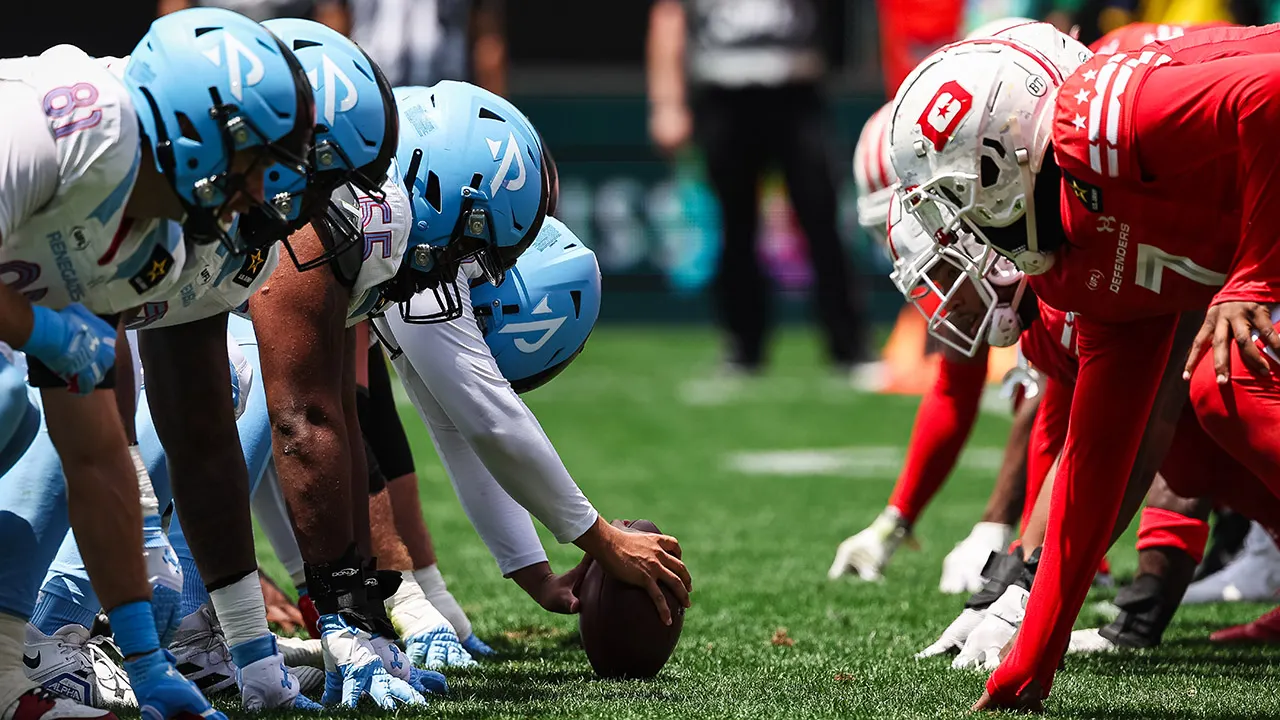
Football has always been a game of innovation and strategy, where rules can shift the tide of competition and keep fans on the edge of their seats. Recently, the United Football League (UFL), that exciting upstart in professional athletics, announced some game-changing updates set to debut in its 2026 season. Starting March 27, fans tuning into games aired on FOX will witness a sport that’s been retooled for more excitement, aiming to ditch some of the stodgy elements of traditional football and embrace the thrill of big plays. Imagine a league where scoring isn’t just about grinding out yards but rewarding audacity and precision. That’s the UFL’s vision, drawing inspiration from the NFL but carving its own path. These changes aren’t random; they’re a response to what players, coaches, and officials have observed in recent seasons, where the pace of the game can drag if not kept lively. One of the biggest shake-ups? Field goals are getting a serious upgrade, turning potential game-enders into potential fireworks displays. UFL head of officiating Dean Blandino told USA Today Sports that the league wants to “create an exciting game. We want good flow. We want big plays. We want to promote scoring.” It’s a philosophy that feels relatable— if you’ve ever cheered for a Hail Mary or a buzzer-beater, you know the rush of those moments. Blandino’s enthusiasm shines through when he explains how these rules reflect a deeper understanding of what makes football engaging. For sports lovers, this isn’t just about rules; it’s about creating stories that stick, where every drive could lead to something legendary. The UFL is positioning itself as a fresh alternative, not just imitating the NFL but innovating in ways that might spill over to other leagues. Fans might appreciate how this mirrors real-life inspirations, like how extreme sports have evolved to prioritize spectacle without sacrificing skill. In training camps right now, players are adapting to these tweaks, adding an extra layer of anticipation for the league’s growth. Overall, this reimagining of the UFL is a bold step toward making football more accessible and thrilling for a wider audience, proving that even established sports can reinvent themselves.
Now, diving into specifics, the field goal changes are perhaps the most jaw-dropping. Under the new rules, any field goal of 60 yards or longer will earn a team four points instead of the usual three. It’s a nod to the difficulty and drama of those super-long kicks, ensuring they’re not just nice attempts but rewarded like touchdowns. Blandino elaborated to ESPN, emphasizing that kicking from 65 yards is exponentially harder than from 35, and it shouldn’t be treated the same. This adjustment promotes strategy shifts, like teams gambling on more aggressive plays rather than settling for conservative kicks. To humanize this, think about watching a game and witnessing a kicker like Brandon Aubrey of the Dallas Cowboys, who nailed a 64-yarder in the NFL last season, potentially turning what was a three-point play into a game-changer at four points. Aubrey’s background—playing spring football in the USFL (a predecessor of sorts to the UFL) from 2022-23—adds a personal touch, showing how these rules draw from real experiences in both loops. Fans might reminisce about classic kicks, like Adam Vinatieri’s, but now imagine those amplified. This isn’t just about increasing scores; it’s about fairness and excitement. Coaches will need to rethink timeouts and formations, making each decision feel weightier. In a league hungry for buzz, this could be the hook that draws in casual viewers who tire of routine plays. It humanizes the game by valuing individual heroics over team tedium, reminding us why we fell in love with sports in the first place—those moments where one person defies odds. Predictably, debates will swirl online about whether this overvalues kickers, but Blandino’s logic holds water: why not incentivize the rare and the spectacular? As players prepare in camps, you can almost picture kickers practicing from absurd distances, laughing at the challenge yet focusing on mastering it. This change alone could redefine what a “field goal hero” looks like, turning kickers into MVPs in ways we haven’t seen since the heyday of specialists. Broadly, it aligns with broader societal shifts toward appreciating precision and flair in athletics, much like how archery or tennis celebrate finesse.
Shifting gears to defensive strategies and momentum killers, the UFL is also overhauling punting to keep things dynamic. Gone are the days of lazy punts inside the 50-yard line except for that brief window after the two-minute warning in each half. This restriction forces offenses to attack rather than punt away possessions, mirroring how rugby keeps the energy high. Punting restrictions aren’t new to football chatter; they’ve popped up in NFL discussions, and now the UFL is taking the plunge. Blandino’s team reasoned that short punts often stall games, turning them into slow-motion affairs instead of high-octane spectacles. From a fan’s perspective, this means fewer opportunities for those interminable IF games on cable, where nothing happens for ages. It’s a human touch, acknowledging how modern viewers have short attention spans thanks to streaming and social media. Imagine being at a game, sipping a drink, only to be jolted by constant action—no more kicking it away and hoping for the best. This rule ties back to recent NFL trends, where kickers like Aubrey are pushing boundaries, making 60-yard attempts more common. The past two seasons in the NFL have seen a surge in deep field goal tries, and the UFL is capitalizing on that hype. Strategically, teams will pivot toward riskier offenses, potentially leading to more turnovers and scores. It’s like evolving from chess to a fast-paced sport like basketball, where every possession counts. Players adapting to this will feel the pressure, but coaches might love it for simplifying play-calling. In everyday terms, it’s as if Netflix decided to ban the pause button— you have to commit fully. This could inspire cross-league chatter, with NFL fans wondering if similar tweaks might liven up their games. Overall, it humanizes football by prioritizing engagement, making it less about attrition and more about creativity. As the season approaches, expect pundits to analyze how this affects team dynamics, potentially giving edge to versatile squads over those relying on brute force.
Beyond scoring and punting, the UFL’s rules overhaul touches on other fundamentals to streamline and excite play. One quirky ban is on the “tush push,” that cheeky short-yardage tactic where a player backs into the end zone. It’s almost been outlawed in the NFL after owner votes in 2025, and the UFL is preemptively nixing it to maintain integrity. Then there’s the kickoff tweak: kickers will start from the 30-yard line instead of farther back, potentially leading to more touchbacks and returns. These changes reflect a broader effort to modernize, ensuring the game feels fresh. Humanizing this, consider how “tush push” might seem fun in highlight reels but frustrating in real-time, like a cheap trick in video games. By barring it, the league values hard-earned inches, rewarding skill over gimmicks. Kickoff adjustments could make opening drives more pivotal, turning routine starts into mini-events. Dean Blandino’s oversight here shows thoughtfulness, drawing from officiating wisdom to foster fair play. Fans might chuckle about old-school plays becoming relics, much like how baseball phased out the designated hitter era debates. In training camps, players are likely practicing with these in mind, leading to safer, smarter football. It’s reminiscent of how other sports evolve—tennis banning certain strings or basketball adjusting rules for pace. This overhaul positions the UFL as progressive, appealing to younger demographics who crave innovation. Strategically, it encourages diverse gameplans, making every match unpredictable. From a personal angle, watching your favorite team adapt feels like rooting for underdogs reinventing themselves. The UFL’s approach reminds us that rules shape culture, turning a violent sport into one of athletic artistry.
As the 2026 season looms, UFL players are already diving into training camps, buzzing with energy about these fresh directives. The league’s growth narrative is compelling—emerging from the USFL’s ashes to challenge norms—and this year feels pivotal. Starting March 27 on FOX, viewers will see not just games but experiments in entertainment. Blandino’s quotes capture the shared excitement among staff and athletes. In human terms, these camps are like band practices, where raw talent molds into harmony. Players, many transitioning from NFL or other leagues, are adjusting footwork, strategies, and mindsets. It’s a microcosm of perseverance, much like athletes training for marathons or musicians for tours. Fans tuning in will witness stories of grit, from kickers extending their range to linemen mastering new flows. This isn’t impersonal; it’s personal for those involved, building lifelong bonds. The UFL’s PR push, inviting listeners via Fox News articles, democratizes access, making sports inclusive. As seasons kick off, expect social media buzz about these rules, turning fans into co-creators of narratives. It’s inspiring how one league’s tweaks can ripple outward, potentially influencing youth leagues or even global football variants. In essence, the UFL humanizes the game by celebrating adaptation and joy over rigidity.
Finally, to stay in the loop, followers of Fox News Digital’s sports coverage are encouraged to tune in via X and subscribe to the Fox News Sports Huddle newsletter for exclusive updates. This era of UFL evolution promises more than football—it’s about lasting impact on how we enjoy athletics. The related articles hint at broader trends, like NFL crossovers or fan feedback. Humanizing this journey, think of it as a family reunion where old traditions mix with new ideas, creating memories. Dean Blandino’s passion, echoed in interviews, assures quality. As a fan, engaging with these changes fosters connection, turning passive watching into active participation. The UFL’s path forward embodies resilience, from spring league roots to prime-time slots. It reminds us that sports transcend wins, building communities. Follow-alongs will reveal untold stories, like how a 60-yard field goal heartens a team. Ultimately, this is football reimagined, exciting and humane.