


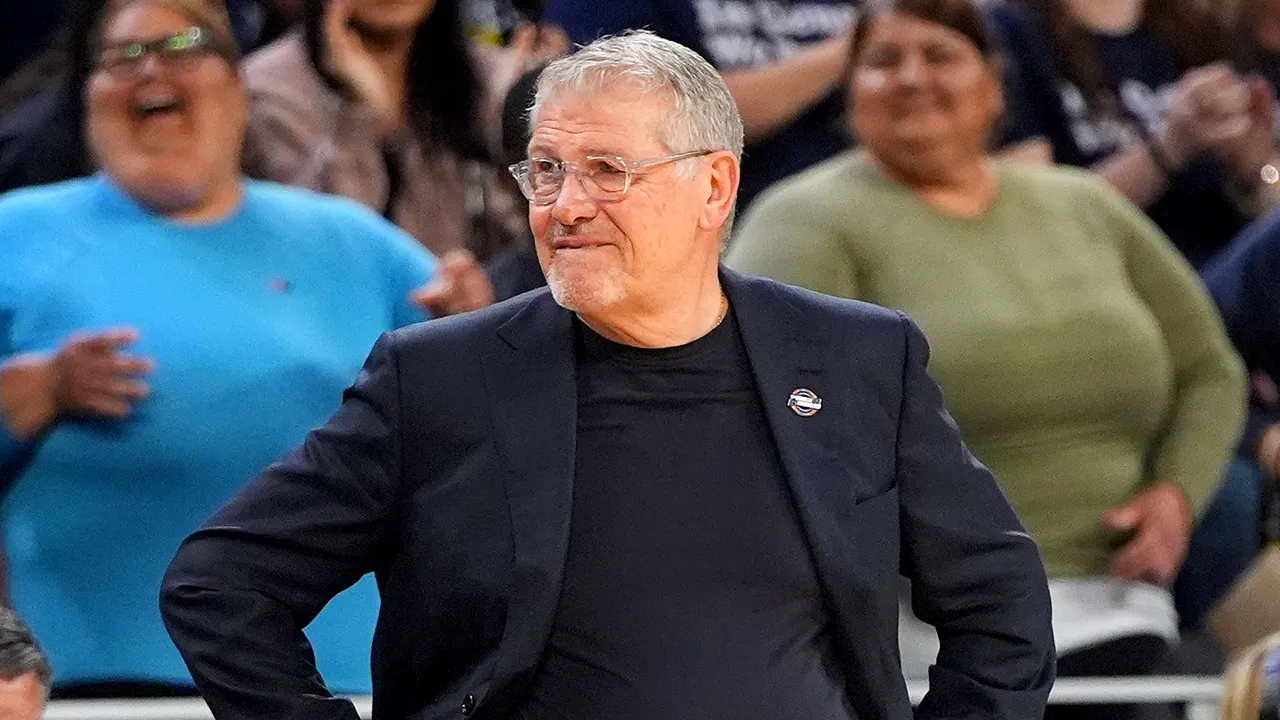
The Passionate Voice of Women’s Basketball: Geno Auriemma’s Bold Critique
In the high-stakes world of college sports, few voices carry the weight and wisdom of Geno Auriemma. At 72 years old, this legendary coach for the University of Connecticut women’s basketball team has become an institution in his own right, with 12 national championships under his belt. It’s not just about the trophies, though; it’s the fire he brings to every conversation, a blend of frustration and fervor that makes you feel like you’re sitting in a cozy diner with an old friend who’s just witnessed something unfair. Auriemma’s latest outburst came during a press conference after the 2023 NCAA tournament shifted from a four-site regional setup to just two sites. Picture this: instead of spreading the games out like a well-planned family reunion, everything got crammed into fewer arenas, creating logistical nightmares. He didn’t hold back, pointing out that the NCAA made these changes without so much as a nod to the athletes and coaches who live and breathe this game. “Does anybody who makes these decisions ever ask the coaches and the players, ‘Hey, does this work? Do you guys do this during the regular season? Is this normal?'” he wondered aloud, his words echoing the exasperation of someone who’s seen the sport evolve yet feels overlooked. For Auriemma, it’s not just about basketball—it’s about growing the game authentically, without shortcuts that undermine the heart of it. As he delved into the stats from the Sweet 16 round, listing dismal 3-point shooting percentages like UConn’s 4-for-20 or Notre Dame’s 1-for-17, you could sense the passion bubbling. This wasn’t cold analysis; it was a coach’s protective instinct, worried that the format was dragging down the showpiece event of women’s basketball. Imagine the scene: packed arenas, fans expecting magic, but players grappling with rushed preparations that left their shooting rusty and their performances far below par. Auriemma’s known for his sharp tongue, but this wasn’t malice—it was a plea for better. With decades in the coaching trenches, from humble beginnings to turning UConn into a powerhouse, he’s earned the right to question decisions that affect the athletes. Stories abound of his intense practices and motivational speeches, where he pushes players to greatness, instilling a mindset that no format flaw should compromise. In this moment, he embodied the spirit of advocacy, reminding everyone that basketball is more than points on a board; it’s a shared experience, and sliding into mediocrity could kill the buzz. His words serve as a wake-up call, humanizing the corporate side of sports by centering the people who make it thrive. You can’t help but admire his unfiltered honesty, a rarity in a world of polished PR statements. As the conversation shifted, Auriemma’s team stood tall: UConn, reigning as the top seed with a flawless 37-0 record, poised for battle. Yet, his critique lingered, a testament to his dedication not just to victory, but to the game’s integrity.
The Grind of Shootaround Schedules and Tournament Logistics
Diving deeper into the chaos, Auriemma painted a vivid picture of the tournament’s punishing schedule, one that any athlete or fan can sympathize with—waking up bleary-eyed in a hotel room far from home, hustling through traffic to an arena that’s more like a factory than a temple of sport. He recounted his team’s shootaround starting at an ungodly 6:20 a.m. Eastern Time, lasting a mere half-hour, before hopping back into the grind. It brought to mind those early mornings in gyms everywhere, where coaches yell drills and players sweat out the doubts of the night before. By contrast, other teams like Notre Dame emerged from media obligations, their actual practice slotted for 5:30 p.m.—a full day spread that allows for rest and reflection. UConn, however, faced the harsh reality of another session that evening at 6:30, piling on fatigue that no trophy can erase. In a team sport like basketball, rhythm is key, and these compressed timelines disrupt that delicate balance, turning what should be a nurturing prep into a frantic dash. Auriemma’s anecdote highlighted how eight teams now share an arena, slicing practice slots thinner than ever. You can almost feel the tension: coaches negotiating for every minute, players powering through exhaustion, the magic of the game overshadowed by logistics. This isn’t just complaining; it’s a real-world snapshot of how administrative tweaks trickle down to the court. Fans at home binge-watching might not see the toll, but for Auriemma, it’s personal—he’s witnessed top talent like Sue Bird emerge under grueling conditions, fueled by resilience that this system seems to test. Reflecting on his career, from early days coaching at UConn where every hour counted, he knows preparation is paramount. Skipping that can lead to the stumbles we saw in those Sweet 16 shooting woes, where even elite squads looked off-balance. It’s reminiscent of those auto-body shop ads where a mechanic points out flaws—a needed honesty. Humanizing this, think about your own busy weekends: squeezing in work calls, family errands, and precious downtime. For players, it’s drilling free throws while jet-lagged, the scoreboard’s glow a distant dream. Auriemma’s voice cricket is a lifeline, pushing for reforms that prioritize wellness over spectacle, because at the end of the day, sports should uplift, not drain.
Tackling Equipment Woes and the Heart of the Game
Beyond timing, Auriemma zeroed in on the tangible frustrations of the court itself, where even the tools of the trade fail to cooperate. He described brand-new baskets and balls—fresh from the box, aimed at uniformity—yet they backfired spectacularly. “Got people dribbling the ball off their feet. You got people missing layups all over the place. You bounce the ball, and it goes up to the ceiling,” he lamented, painting a chaotic scene of players scrambling in unfamiliar arenas, the equipment’s quirks amplifying the misery. In women’s basketball, precision shooting is a hallmark; trip over your own feet or watch the ball ricochet wildly, and the game’s poetry turns to prose. For Auriemma, this isn’t just about bad luck—it’s a systemic issue, where polished, predictable gear from the regular season gets swapped out without testing. He’s coached through eras of change, from the days when players wrestled with regulation balls that felt like stubborn rivals, to now, where inconsistency undermines confidence. Human stories emerge: imagine a young pro like Paige Bueckers, her rookie season filled with adjustments, or Rebecca Lobo’s iconic plays—how would they fare with malfunctioning tools? Auriemma’s critique evokes empathy for athletes adapting mid-stride, their bodies finely tuned yet betrayed by the setup. This equipment dilemma mirrors everyday trials, like using a new smartphone that glitches during a crucial call or a rental car with odd controls on a road trip. The NCAA’s push for shiny, new hardware intends smooth operations, but as Auriemma pointed out, it often leads to the opposite, detracting from the artistry. He’s not alone; veterans like Rick Pitino have echoed similar sentiments post-losses, their wisdom collectif from raw experience. In UConn’s undefeated run, they’ve mastered rhythm, but shove in unpredictable gear, and even champions trip. Historical context adds depth—Auriemma’s tenure overlaps with Title IX’s boom, turning women’s sports from afterthought to powerhouse. Equipment wasn’t always this scrutinized; his early teams navigated muddy gyms with borrowed balls, building grit that new tournaments threaten to erode. “There’s just no concept of how basketball is played,” he said, a quiet rebuke to decision-makers who might prioritize profit over passion. Fans tuning in for spectacles expect flair—alley-oops, swishes, drama—but subpar equipment diminishes that, leaving viewers wondering why the magic feels muted.
Reflecting on Shooting Stats and the Bigger Picture
Auriemma didn’t stop at anecdotes; he wielded cold, hard statistics to drive his point home, listing the abysmal 3-point shooting from top programs that tripped up the Sweet 16. UConn hit just 4 of 20, North Carolina 4 of 22, Notre Dame 1 of 17, Vanderbilt 5 of 18, UCLA 4 of 16, and even mighty Duke 7 of 26—these weren’t flukes, he insisted, but signs of deeper trouble. As a coach who’s tracked numbers like a hawk, dissecting film to fine-tune strategies, Auriemma knows these marks pale against season averages, where many of these teams shimmered in the 40% range. It’s like watching a seasoned chef burn dinner despite years of mastery—something’s amiss in the recipe. Humanizing this data reveals the emotional toll: players stepping to the line, heart pounding, only to miss amid interrupted routines. Auriemma’s rant evokes memories of his own coaching triumphs, like leading teams through underdog stories to claim crowns, where shooting prowess was the coup de grâce. Now, compelled by compressed practices and erratic elements, these squads faltered, turning would-be heroes into question marks. He pondered aloud, “How many arenas are we going to sell out with that bulls—?”—a raw, authentic query that cuts through fluff. In an age of analytics, where fans obsess over per-game stats, Auriemma reminds us of the human factor: the late-night shoots, the blistering gym sessions that build supremacy. It’s not just numbers; it’s the soul of the sport, as exemplified by legends like Anne Donovan or Breanna Stewart, whose arcs were sculpted by relentless prep. Reflecting on broader basketball history—from Larry Bird’s clutch threes to Stephen Curry’s revolution—Auriemma’s Milwaukee natives like Gina Antonelli owe debts to mentors who demanded perfection. Yet, this tournament’s woes threaten that legacy, turning brilliant setups into comical errors. He admitted no easy fixes, only questions—a humble stance for a hall-of-fame coach. Personal anecdotes from players under his tutelage paint portraits of determination: faces strained after long days, yet pushing for glory. By humanizing stats as stories of struggle, Auriemma bridges the gap between scoreboard and soul, urging NCAA officials to listen before leveling fields that should reward effort, not just survive inefficiencies. His words resonate like a call to action, for fans and executives alike, ensuring women’s basketball remains vibrant, not victimized by oversight.
The NCAA’s Defense and the Path Forward for Women’s Basketball
Of course, the NCAA didn’t just take this lying down—instead, they countered with their own narrative of success, proudly noting that the two-site regional switch has shattered attendance records, drawing the highest crowds in women’s tournament history. Vice President Lynn Holzman, a steady voice for the organization, emphasized to ESPN that the positives—think packed stands, amplified energy, and the thrill of concentrated action—outweigh the gripes. It’s a fair point: in a sport hungry for visibility, visibility matters, and cramming games into fewer hubs means more eyes on the prize, potentially boosting revenue and recognition in an era where women’s sports fight for parity. Auriemma, ever the pragmatist, didn’t dismiss this outright; he acknowledged the intent to grow the game, but his frustration stemmed from the imbalance, where the audience’s joy comes at the expense of the performers’ comfort. Humanizing the NCAA’s stance, imagine executives poring over data in boardrooms, strategizing to elevate the profile of female athletes who’ve fought for recognition since Title IX’s passage. Holzman’s role as a trailblazer herself adds layers—she’s at the forefront of pushing women’s basketball into the mainstream, with initiatives like expanded TV deals and grassroots programs. Yet, Auriemma’s critique underscores the human cost: the unseen toil of players adapting to formats that prioritize spectacle over sustainability. Fans might cheer bigger crowds, reminiscing about March Madness frenzy, but for coaches like Auriemma, it’s about equity. He’s seen the game’s evolution, from obscure regional contests to global phenomena, with stars like Rebecca Lobo or Elena Delle Donne paving the way. The debate echoes broader sports dialogues, like NFL playoff expansions or MLB rule tweaks, where balance teeters between tradition and innovation. Auriemma’s position is one of advocacy, not obstruction—he wants collaboration, input from those on the frontlines. In a world of calculated risks, his plea humanizes the stakes: every adjustment ripples through careers, families’ expectations, the intrinsic joy of the game. As UConn’s flagship program, he’s championed inclusivity, scouting talent from diverse backgrounds to build empires. This clash isn’t adversarial; it’s a conversation starter, inviting the NCAA to blend data with voices for a healthier tournament landscape. Ultimately, Holzman’s optimism pairs well with Auriemma’s candor, forging a path where advances don’t eclipse the essence of play.
Looking Ahead: UConn’s Quest and the Ripple Effects of Change
With the dust still settling on his fiery presser, Auriemma shifts gears to the immediate battle, ready to steer his undefeated UConn squad—a top seed with a pristine 37-0 record—toward victory in the Elite 8 against No. 6 Notre Dame on Sunday at 1 p.m. Eastern Time. It’s a matchup brimming with anticipation, pitting Auriemma’s seasoned empire against a spirited opponent, and you can’t help but feel the optimism amidst the critique. Humanizing this moment, consider the personal journeys: players like Paige Bueckers, drafted right out of high school and blossoming into a star, or Nika Mühl, whose international flair adds global spark—all under Auriemma’s watchful eye, forging bonds that transcend boundaries. Fans tuning in will witness not just a game, but a narrative of resilience, where UConn’s unblemished run symbolizes perseverance against adversity. Auriemma’s legacy shines here; from transforming a ragtag program into a dynasty, his impact is profound, inspiring generations of athletes. Yet, as the article notes, the NCAA changes linger like a subplot, potentially influencing outcomes. By humanizing the stakes, we see beyond racks: the late-night texts between players, the prayers from families, the quiet motivations that fuel undefeated streaks. In broader terms, Auriemma’s words ripple outwards, invigorating discussions on athlete welfare—much like Serena Williams advocating for tennis reforms or LeBron James spotlighting inequalities. His humility in admitting no quick fixes is endearing, positioning him as a bridge-builder rather than a divider. As women’s basketball marches on, with stories of empowerment from icons like Sue Bird, who coached alongside Auriemma before retiring, the sport’s future gleams brighter when voices like his are heeded. Follow the coverage on platforms like X, or dive into newsletters for deeper dives—because sports are about connection, passion, and the human spirit thriving under the spotlight. In the end, Auriemma’s rant isn’t just noise; it’s a catalyst for evolution, ensuring the game grows richer, fairer, and more heartfelt for all. As UConn gears up, fans everywhere hold hope for a performance that silences critics and celebrates the triumph of basketball’s true essence.