




Trump Suggests Renaming American Football to Accommodate Soccer
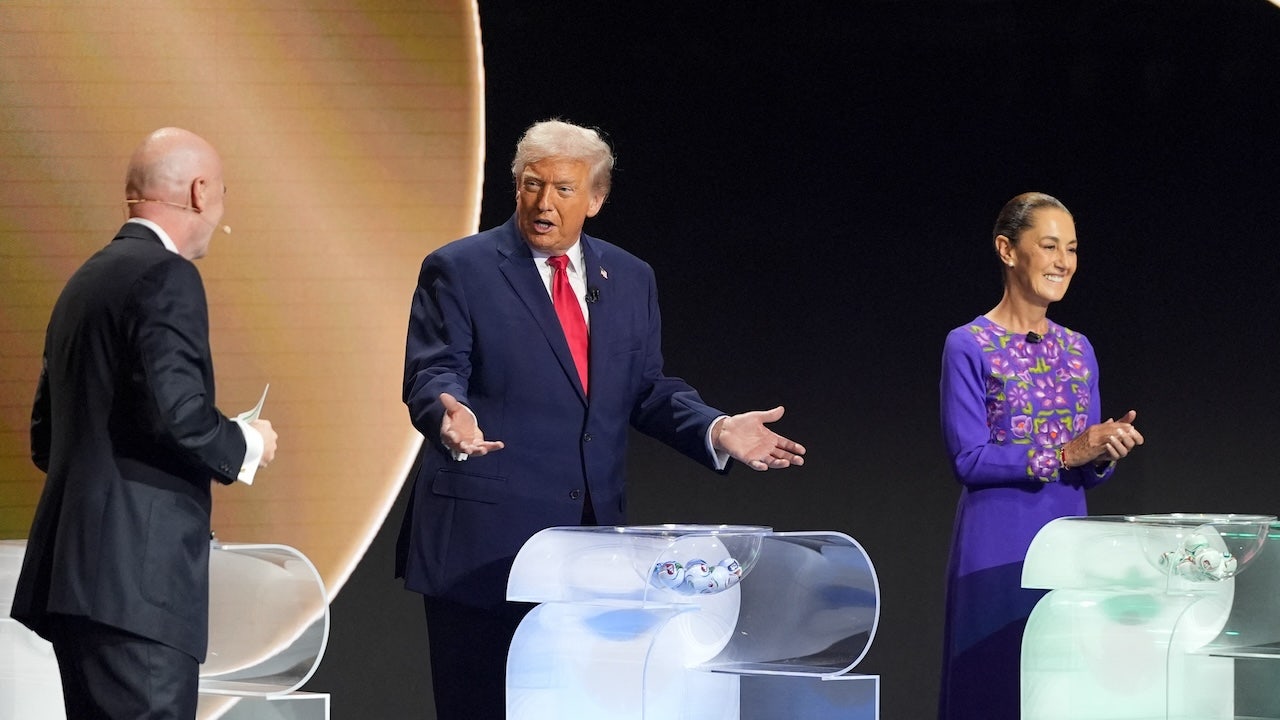
In a moment that captured international attention at the World Cup draw in Washington, D.C., President Donald Trump ignited debate by suggesting that American football should adopt a new name, allowing soccer to claim its globally recognized title of “football.” Speaking candidly during the prestigious event, Trump articulated a linguistic dilemma that has long existed in American sports culture: “When you look at what has happened to football in the United States, again soccer in the United States, we seem to never call it that because we have a little bit of a conflict with another thing that’s called football, but when you think about it, shouldn’t it really be called, I mean this is football, there’s no question about it. We need to come up with another name for the NFL stuff.” His observation acknowledges the American exception in sports terminology, where the United States stands virtually alone in calling the world’s most popular sport “soccer” while using “football” for a distinctly American game.
The World Cup draw event also marked a significant personal honor for Trump, who became the inaugural recipient of FIFA’s Peace Prize. FIFA President Gianni Infantino presented the president with both a trophy depicting golden hands cradling a soccer ball and a medal, which Trump promptly wore. The accompanying certificate explained the award’s significance: “The FIFA Peace Prize is presented annually on behalf of the billions of football-loving people from around the world to a distinguished individual who exemplifies an unwavering commitment to advancing peace and unity throughout the world through their notable leadership and action.” This recognition reflects Trump’s role in facilitating the upcoming World Cup tournament, which will span North America in an unprecedented collaboration between the United States, Mexico, and Canada.
Trump’s involvement in the tournament’s preparation has been substantial, having signed an executive order establishing a dedicated task force earlier this year. Taking on the role of task force chair, with Vice President JD Vance serving as vice chair, Trump has positioned himself as a central figure in ensuring the success of the 2026 World Cup. The operational aspects of this preparation have been entrusted to Rudy Giuliani’s son, who serves as executive director managing daily operations. This high-level involvement demonstrates the significant diplomatic and organizational commitment the administration has made to hosting what will be the first World Cup held across multiple nations in more than two decades.
The United States will be the primary host for the tournament, with 11 of the 16 host cities located within its borders. This distribution reflects both the country’s size and its increasingly important position in global soccer. The championship match, scheduled for July 19, 2026, will take place at MetLife Stadium in East Rutherford, New Jersey, highlighting the East Coast as the culminating venue for this international spectacle. While Trump had previously expressed concerns about security in some host cities—even suggesting the possibility of relocating games if safety issues arose—he struck a more confident tone at the Kennedy Center event, affirming his belief in the security preparations and promising federal support where needed.
The 2026 World Cup represents a significant milestone for North American soccer, marking the first time since 1994 that the United States will host men’s World Cup matches. The tournament’s expansion across three nations—the United States, Canada, and Mexico—reflects the evolving nature of international sporting events and the increasing willingness to share hosting duties among neighboring countries. This collaborative approach may serve as a model for future international competitions, potentially easing the financial and logistical burdens that have traditionally fallen on single host nations. The multi-country format also symbolizes a spirit of continental cooperation, bringing together three distinct soccer cultures under the umbrella of a single tournament.
Trump’s comments about renaming American football, while perhaps casual in nature, touch upon a genuine cultural curiosity that has long puzzled international sports fans. In most countries, “football” refers unambiguously to the sport Americans call soccer—a game played predominantly with the feet—while American football involves primarily handling the ball. The president’s observation highlights how language shapes cultural identity and how something as seemingly simple as a sport’s name can reflect deeper questions about American exceptionalism and international integration. As the United States prepares to welcome the world for the 2026 tournament, these discussions about what to call the beautiful game may represent more than mere semantics—they suggest America’s evolving relationship with the world’s most popular sport and, perhaps, with global culture itself.