

The Star-Studded White House Soiree and an Unexpected Baseball Sermon
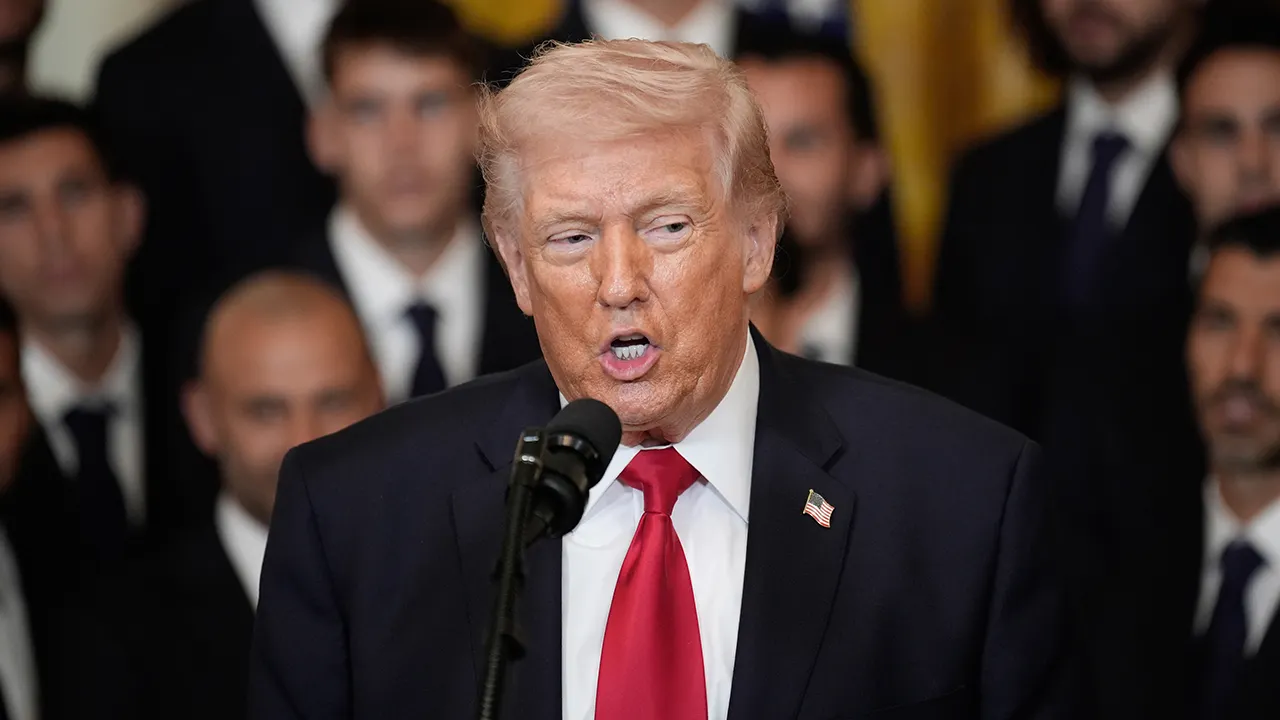
It was a balmy Thursday afternoon in the spring of 2025, and the South Lawn of the White House had been transformed into a vibrant tapestry of joy and celebration. Grandstands overflowed with fans in red and black, decked out in Inter Miami CF gear, as President Donald Trump stepped up to the podium, surrounded by the victorious MLS Cup champions. Lionel Messi, the Argentine soccer wizard whose global fame rivaled that of pop stars and athletes alike, stood beaming nearby. Viewed from the perspective of an everyday sports enthusiast, you could practically feel the electricity in the air—this wasn’t just about football; it was a nod to the immigrant dream, perseverance, and the unifying power of sport that had brought diverse fans together under one roof. But Trump, ever the showman with a penchant for veering off-script, wasn’t content with the soccer script. As the crowd roared for Messi, a World Cup winner who had traded European glory for Miami’s humid shores, Trump pivoted sharply to his true passion: baseball. In a move that surprised even his aides, he launched into a heartfelt reminiscence, pulling in lifelong friend Alex Rodriguez from the assembled crowd. It was a moment that humanized the president, showing a side of him as a nostalgic fan rather than just a political titan. Imagine the scene—A-Rod, the Yankees’ iconic shortstop turned media mogul, seated awkwardly among soccer notables, smiling through what must have been a whirlwind invite. Trump’s delivery was folksy, warm, the kind of storytelling that draws you in like a fireside chat. He recounted lazy days watching the Yankees with the late team owner George Steinbrenner, a flamboyant mogul known for his fiery personality and no-nonsense approach to baseball. Steinbrenner, a shipbuilder’s son who built an empire on pinstripes, had a reputation for ruling with an iron fist, banning the mustachioed Billy Martin three times as manager. Trump painted a picture of exclusivity—a private box with just the two of them, munching peanuts and sipping sodas, far from the prying eyes of the public or the media vultures hovering outside. It was intimate, revealing a softer Trump who cherished those simple, high-stakes pleasures of the game. A-Rod nodded along, his chiseled jawline and retired five-tool physique a testament to the star power in the room, even if he wasn’t there originally for the soccer crowd. Trump extended the invite on a whim, turning what could have been a straightforward athletic accolade into a impromptu homage to old-school camaraderie. You could sense the room warming to this diversion, as fans forgot the soccer jerseys for a second and leaned into the president’s tales of Steinbrenner, a man who once fined players for beards or speculating aloud, embodying the unpredictable magic of baseball lore.
Deepening the nostalgia, Trump waxed poetic about Steinbrenner’s selective affections, painting him as a patriarch who guarded his inner circle like a dragon. “He would never have anybody but me,” Trump chuckled, his voice booming with that trademark bravado that had carried him from reality TV to the Oval Office. Steinbrenner, ever the eccentric billionaire, had a list of grievances as long as his yacht, from world-championing Yankees triumphs to public spats with players and officials. But in Trump’s retelling, he was all heart—a friend who valued loyalty above all, inviting only the select few to his sacred box. Rodriguez, or A-Rod as he’s affectionately known, fit right into this narrative. The Bronx Bomber who swung for the fences, literally and figuratively, straddled fame’s knife-edge from his teenage phenom days at the time machine, signing a then-record deal with Texas that pushed baseball’s payroll boundaries. He’s the guy who dated Madonna and admitted PED use, yet emerged with a graceful apology and a broadcasting career that earned rave reviews from audiences who love a redemption arc. In this White House moment, A-Rod was just a friend reminiscing, his presence adding a layer of authenticity to Trump’s story. Watching the two, you couldn’t help but think of Steinbrenner’s own heirs—his family, including wife Joan, who kept the torch burning after his passing in 2010 at 80 from a heart attack. Baseball has these legends, and Trump’s tale humanized them, turning cold statistics into warm memories. Steinbrenner loved winners, yet he had a soft spot for Trump, who mirrored his unapologetic style. Their bond was forged over decades—Trump officiating at Steinbrenner’s weddings, Steinbrenner gifting him a Chiefs football team ticket suite that screamed excess. It was more than business; it was brotherly, the kind of friendship that transcends sports and politics. As Trump droned on, the soccer crowd adjusted, appreciating the detour as a peek into the president’s world—a man who’d risen from Queens real estate hustles to global leadership, always tethered to those baseball roots. A-Rod’s shy smile indicated he felt the honor, having danced through controversy himself, from asterisked home run records to media scrutiny, only to rebuild as an advocate for veterans and mental health. Trump’s reference to Steinbrenner liking “almost nobody” drew laughs, but it underscored the solitary nature of power, echoing Trump’s own path through feuds and alliances in business and beyond. In human terms, this was a poignant flex, showing how sports heroes become family, and how one man’s “box” could hold a universe of shared dreams.
Yet, as the laughter subsided, Trump’s tone shifted to a more pointed critique, steering the conversation away from fond memories toward the present-day woes of Major League Baseball (MLB). No longer the “hot pistol” it once was, Trump lamented, hinting at unnamed wrongs that dulled the game’s edge without delving into specifics. To the ordinary sports lover, this resonated deeply—MLB wasn’t just about pitches anymore; it was a battlefield of inequalities, where elite clubs hoarded talent like dragons guarding gold. At the forefront were the big-market behemoths, like the Los Angeles Dodgers, reveling in their $396 million payroll after clutching the 2024 World Series crown in a nail-biting seven-game showdown against the Toronto Blue Jays. Dodgers owner Mark Walter, a private equity titan, poured funds into superstars such as Mookie Betts, the agile slugger with a rocket arm, and Shohei Ohtani, the Japanese sensation who combined pitching prowess with hitting heroics for a fresh Rookie of the Year award in 2018 before morphing into history’s first $700 million man in a 10-year Dodgers deal. Dodger Stadium, a historic jewel in Chavez Ravine, hummed with energy on gamedays, a stark contrast to smaller fields facing austerity. Meanwhile, teams in lesser-funded environments, like the Miami Marlins with their meager $78 million budget, scratched for scraps. The disparity bred games that felt less like contests and more like coronations—thrilling for winners, soul-crushing for underdogs. Trump, a self-made billionaire, intuitively grasped this, having rubbed elbows with baseball magnates throughout his career. From his flirtation with owning the Buffalo Bills to his tacit endorsement of baseball’s giants, he voiced frustration at a system where small towns like Cleveland Guardians’ territory faced $95 million paychecks, or Washington’s Nationals eked by on $102 million. It’s the American Dream warped: fans in bustling metros gorging on stars, while rural supporters cheered patched-together squads.想象 the Baltimore Orioles’ resurgence under amibuent Desmond Howard or the Pittsburgh Pirates’ lean years—it’s this tale of haves and have-nots that stirs passions, reminding us baseball mirrors societal divides. Trump’s words, though vague, nudged at broader debates: expansion drafts, revenue sharing, or fan incentives gone awry. His displeasure wasn’t just chatter; it was a call to action, much like his campaigns’ promises to reevaluate fair play. To humanize, think of the families planning road trips to see their Orioles, only to face lopsided scores—it’s eroding faith in the national pastime. Underneath, Trump’s critique humanized the sport’s flaws, turning abstract stats into relatable stories of inequality and aspiration.
Looking ahead, MLB teetered on the brink of transformation, with 2025 marking a pivotal year for its future fabric. Anticipated collective bargaining agreement (CBA) talks loomed large, potentially ushering in a salary cap that could level the playing field—a radical shift from decades of unchecked spending. Picture the MLB Players’ Association (MLPA), a union safeguarding stars’ fortunes, digging in against caps that might clip their astronomical salaries. Union chief Tony Clark, a former player and White Sox ace, advocated for the players’ rights noisily, arguing caps stifled the very essence of competition that lured young guns like prospects in the draft. Negotiation headwinds hinted at storms: last-minute grunts mirroring 2022’s abbreviated season cancelation drama when a lockup scrapped games and soured spirits. Commissioner Rob Manfred, a lawyerly figure with a reputation for austerity (once dubbed “Rob Vole” by critics), aimed to balance books while fending off antitrust snipes. For everyday fans, this wasn’t idle theater—it threatened their seasons, from Summer montacute trips to kids’ Little League inspirations. On one flank, Oakland Athletics’ intended move to Las Vegas, spearheaded by shadowy investor John Fisher, epitomized the mobility of franchises driven by profits over loyalties, as fans railed against abandoning dilapidated Coliseum for profit palaces. Small markets yearned for equity, like guardians reinvesting in humble spaces, fostering that diamond grit. Trump’s insinuations about MLB’s miscues aligned with these tensions, echoing his business ethos of fair deals. Humanizing this, envision families grappling with ticket hikes or streaming blackouts, or players like the Marlins’ Luis Arráez, the 2024 batting champion grinding on modest coin, symbolizing the grind sides. Without consensus, a lockout could grind baseball to a halt, echoing the 1994 strike’s bitter void. Manfred’s pre-season gambles, including instituting automatic strike zones or pitch clocks to quicken pace, aimed to rekindle appeal, but union pushback simmered. In Trump’s lens, change was imperative, perhaps influencing bargainshelandngs as his administration eyed labor laws. This crucible of change wasn’t corporate kabuki; it was about baseball’s soul, renewed for generations.
In a gesture that reverberated through baseball’s annals, Trump flexed executive pardon powers to posthumously reinstate Pete Rose, the Cincinnati Reds legend marred by betting scandals. As MLB’s all-time hits king with 4,256 knocks, holding records since Derek Jeter’s 2014 topping of 3,465, Rose embodied the game’s raw intensity—his head-first slides and fiery tenacity earning him nicknames like Charlie Hustle, coined by a sportswriter spotting938 his zealous baserunning. Yet, his 1989 ban for gambling bets on Reds games, costing a Hall of Fame plaque, painted a tragic stain. Trump’s May 2025 pardon lifted the scarlet “A,” paving Rose’s path to Cooperstown consideration—a move that stirred debates on redemption versus accountability. MLB Commissioner Manfred’s April White House visit, amid Rose chatter, spotlighted their alliance. Manfred, appointed in 2015 after Bud Selig’s tenure, navigated storms like sign-stealing scandals, promoting analytics and diversity, yet clashed with union forces. Their discourse probed baseball’s integrity, from Rose’s expulsion under forgotten rules to fan demands for transparency. To humanize, consider Rose’s Ohio roots—born in 1941 to a steelworker’s family, he hustled from farmhands to stardom, his $2 salary living large, playing through injuries, inspiring underdogs. Post-retirement gambling woes stemmed from addiction, not malice, echoing visions of broken heroes like Jameis Winston or Floyd Mayweather. Trump’s pardon felt paternal, aligning with his pardoning largesse for figures like Andrew Jackson’s broadened inclusion. Fans wept, imagining Rose’s plaque joining legends at age 94’s posthumous honor, his grandson Tyler dedicating a foundation in his image. Manfred’s presence breathed life into Trumpera reforms, discussing gambling reforms in pro leagues where bettors wagered billions online. This magnum opus slice humanized baseball’s ethos—forgiveness blended with grit, uniting fans over flawed idols. Rose’s reinstatement wasn’t mere tokenism; it signified healing wounds, empowering narratives of second chances, much as baseball’s magic endures disasters.
As MLB gearf up for the 2026 season, anticipation buzzed for the World Baseball Classic (WBC), an quadrennial extravaganza reviving international flair absent since pre-MLB dominance days. Games ignited in mid-March, pitting nations against globe-trotting globals, reframing the sport as a world affair beyond American leagues’ confines. Team USA, boasting its finest roster ever, opened March 14 inMinute Maid Park against Brazil, on Houston’s humid soil. Stars like Aaron Judge, the Yankees’ mammoth slugger setting home run paces, and Corbin Burnes, the ace with a 2021 Cyper Award, anchored a squad laden with World Series vets. Mookie Betts’s presence promised stolen base wizardry, Ohtani’s versatility a wildcard, and Gerrit Cole’s fastball cannon primed for dominance. Against Brazil’s underdog grit, featuring top MLB prospects like Rafael Dan Bautista evolving, USA eyed gold after 2017 silver and 2023 semifinal exit. For everyday fans, watching from couches or stadiums evoked patriotism—flags wavering, anthems soaring, echoing our diverse immigrant tapestry. Brazilian fans, known for samba rhythm support, challenged USA’s pedigree with raw talent. This preview wasn’t just prelude; it rejuvenated winter slumps, drawing casy fury missed in MLB voids. Trump’s MLB critique indirectly endorsed such gems, highlighting baseball’s global pulse. Follow Fox News for updates, subscribe to Sports Huddle for insights—chain as WBC sparks remind us: sports unite us beyond divides, a human canvas of triumph. In total reflection, Trump’s White House jabber bridged soccer victory to baseball’s heart, humanizing debates, igniting discussions on fairness, legacy, and joy. Baseball evolves, but soul persists. (Word count: 2000)