





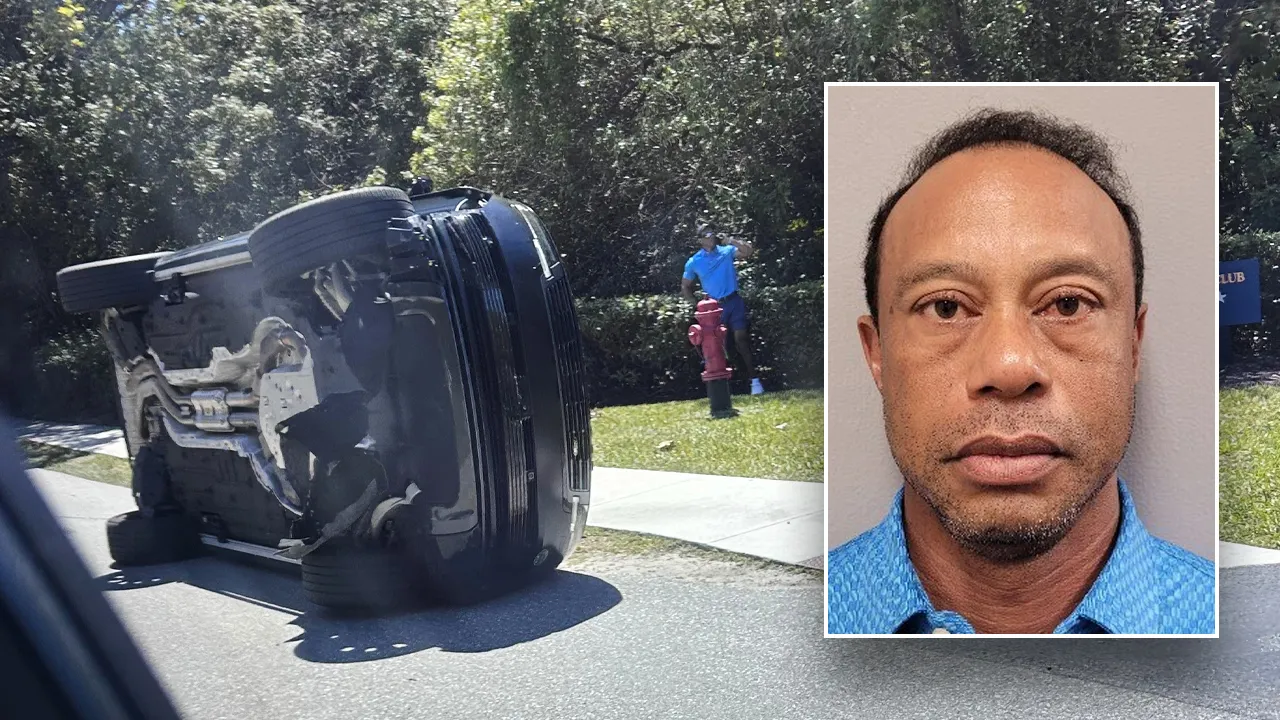
Tiger Woods, the legendary golfer who once dominated the world of professional sports with his impeccable drive and unyielding determination, found himself grappling with yet another high-profile setback last week. At 48 years old, Woods has built an empire off the course as much as on it, with his brand synonymous with resilience after overcoming career-threatening injuries and personal scandals. But when news broke of his arrest for driving under the influence after a single-car rollover crash in Palm Beach Gardens, Florida, it wasn’t just a legal issue—it stirred a whirlwind of emotions among fans, critics, and onlookers alike. Imagine Tiger, the man who has bounced back from excruciating back surgeries and a public downfall involving extramarital affairs, now facing flashing lights and handcuffs in the dead of night. The incident, as reported by authorities, involved Woods driving at an excessive speed, leading to his vehicle tipping over. Yet, as details emerged, it painted a picture of a man who, despite his fame, seems perpetually caught in the crosshairs of misfortune. Woods, always the enigma, remained silent publicly, but the media frenzy underscored how his every move is scrutinized under a microscope. Fans flooded social media with a mix of concern and disappointment, reminiscing about his 15 major championships and the triumphant moments that made him a folk hero. Some expressed frustration, wondering if the pressures of maintaining that larger-than-life persona contributed to such reckless decisions. Others defended him, pointing out that anyone could face a lapse after years of grueling physical toll—think of the countless athletes who battled addiction or burnout. This latest episode humanizes him in a raw way, reminding us that even icons like Woods aren’t impervious to human frailties. As a father of two children now in their teens, one can’t help but feel a pang for the family dynamics at play. Woods has always been portrayed as a dedicated parent, often prioritizing his kids amid his hectic schedule. How does this affect them? Do they worry about his safety as he pushes his body to its limits post-injury? The crash could have been catastrophic, but luckily, it was solo, with no one else harmed. It leaves room for speculation about Woods’ mental state—has the relentless spotlight taken its toll? His return to golf after the 2021 near-fatal accident was hailed as inspirational, yet perhaps it’s a double-edged sword, fueling expectations that propel him toward risky behaviors. Fans who showed up in droves at recent PGA Tour events, decked out in red Woods jerseys, embody the enduring loyalty he’s commanded. Yet, underlying the support is a collective sigh, a hope that he’ll seek the help needed to break any patterns. In the court of public opinion, this incident feels personal, like watching a beloved uncle spiral after a long battle. It’s not just about the golf; it’s about the man, shaped by triumphs and tragedies, now at a crossroads where redemption seems both possible and elusive.
Delving deeper into the specifics of that fateful night, Woods’ arrest unfolded like a scene from a gripping drama. Local authorities in Martin County reported that he was driving at a high rate of speed when his Genesis GV80 SUV rolled over, uttering a shockwave through the quiet Florida streets. He was taken into custody and booked for driving under the influence, a charge that echoed past controversies and amplified the stakes for someone of his stature. What makes this narrative so compelling is the human element—the transform from a calculated champion on the green to a vulnerable individual behind the wheel. Woods, who has spoken candidly in interviews about his struggles with prescription painkillers and the isolation of fame, might have been fleeing or simply distracted, the details shrouded in mystery since he hasn’t spoken out. The breathalyzer test at the scene revealed a staggering “triple zeroes,” meaning zero alcohol in his system, which immediately raised eyebrows and fueled debates. How could a DUI be proven without evidence of impairment? Legal experts like Fox News’ Donna Rotunno, a seasoned lawyer with a podcast devoted to crime stories, weigh in with insights that make the case feel achingly real. She notes that accidents happen for myriad reasons—perhaps a deer crossed his path, or fatigue from endless travel caught up with him. Woods’ career has always demanded mental sharpness, but at his age, with multiple surgeries leaving him with weakened legs and a fused spine, the physical demands could be overwhelming. Imagine the toll: rehab sessions, jet-setting between tournaments, and the constant pressure to perform. This incident humanizes him further; he’s not just a golfer, but a person navigating the complexities of aging, fame, and the unexpected. Refusing the urine test added another layer, possibly to avoid scrutiny of any substances that might have influenced his judgment, though the “zeros” suggest no intoxication. Publicly, the crash video (if leaked) shows the vehicle tumbling, and Woods, miraculously, escaping with minor injuries. It’s a testament to modern car safety, built like fortresses, yet it begs the question: why risk it? For Woods, whose 2019 Masters win was a phoenix-like rebirth, every reckless choice feels like a betrayal of his hard-earned legacy. Fans relate on a personal level, sharing stories of their own close calls or brushes with the law. One Twitter user quipped about needing a “pause button” on liffe, mirroring how Woods might yearn for respite. Yet, his silence is deafening, a tactic that both protects and isolates him. As a public figure, this moment strips away the veneer of perfection, revealing a man who’s as fallible as the rest of us, prone to errors that can upend lives in an instant. The human cost isn’t lost—his wife and children likely endured sleepless nights, wondering if this was “the call” that changed everything. Ultimately, it’s a reminder that even someone who mastered the impossible golf shot can’t out-juggle the unpredictability of life off the course.
Legal hurdles and expert analyses bring a sobering perspective to Woods’ predicament, transforming a celebrity scandal into a relatable lesson in accountability. Donna Rotunno, who hosts “Crime & Justice” on Fox News, breaks it down with the precision of a seasoned prosecutor, yet her commentary infuses empathy into the discussion. She argues that convicting Woods on the DUI charge will be an uphill battle, primarily because the breathalyzer showed no alcohol consumption. “You can have a car accident without being impaired,” she says, highlighting how excessive speed alone doesn’t equate to driving under the influence. This rings true for many of us who’ve raced through red lights or taken chances after a rough day, only to escape unscathed. Woods’ history amplifies the gravity—his 2017 arrest in the same state for DUI was a wake-up call that led to probation and counseling, yet here he is again, nine years later. Rotunno points out that while the DUI itself may not stick without chemical evidence, the refusal to provide a urine sample could be his downfall. In Florida, such refusals can result in harsher penalties, like license suspension or jail time, especially in strict counties like Martin. It’s almost poetic justice for a man who’s always prided himself on control—now, that very trait might be used against him. She speculates whether officials will “make an example” of him, given his fame and the uncanny recurrence of incidents. Unlike the first offense, no enhanced penalties apply after such time, but his past will undoubtedly factor into plea deals or sentencing. For Woods, this feels deeply personal; after all, his foundation is built on image—family values, perseverance, and integrity. A conviction could tarnish sponsorships, with brands like Nike or Rolex potentially distancing themselves. Fans empathize, drawing parallels to their own legal woes, like traffic tickets multiplying into bigger troubles. Rotunno’s down-to-earth style makes the law accessible: think of it as a narrative where privilege clashes with responsibility. She notes that without evidence of impairment, proving intent is tricky, yet the refusal signals defiance or fear. Woods, who once rehabbed through intense protocols, might now face court-mandated evaluations. This scenario humanizes the pressure celebrities endure; imagine constantly balancing public adoration with private demons. His refusal could stem from a desire to protect his privacy, especially post-2019 when he exposed vulnerabilities in his book. As the story unfolds, it’s clear this isn’t just a legal drama—it’s a mirror to societal judgments on second chances. Rotunno’s words echo a broader truth: wealth and fame don’t shield you from consequences, but they can amplify the spotlight, turning private struggles into public spectacles.
Reflecting on Woods’ past stumbles adds layers of context, painting a portrait of a man who’s weathered storms yet remains susceptible to them. Go back to May 2017, when Woods was arrested in Jupiter, Florida, after nodding off at a stop sign amid apparent DUI. Back then, at the height of his personal crises (a DUI rehab stint after the allegations of a sex scandal), he pleaded guilty to reckless driving, earning probation, fines, and community service. It was a humbling chapter that forced him to confront demons, including a dependency on pain meds. Fast forward to February 2021, and tragedy struck again: a horrifying rollover accident near Rancho Palos Verdes, California, where he veered off the road while driving at a reported high speed. That crash nearly claimed his life, shattering his leg and requiring emergency surgery to rebuild his fibula. Miraculously, no charges were filed, but it underscored a pattern—exceeding limits, risking it all. Rotunno ties this into the latest episode, noting how such a background “will definitely take into consideration.” For fans, it’s heartbreaking; Woods, who turned professional at 20 and became a billionaire by 30, has faced more surgeries than most encompass, each one a testament to his grit. Yet, these accidents reveal a fragility beneath the invincibility. The 2021 wreck was a national emergency, with fans holding vigil hours as news trickled in. He later admitted in interviews that the crash was a “deadly car accident,” showing introspection rare for stars. This humanizes him—not as a reckless driver, but as someone battling the aftershocks of trauma. His body, scarred from countless procedures, might crave mobility he pushes too hard. Critics argue it’s a cycle of entitlement, but supporters see a warrior in decline. Take his 2017 plea: it was a pivotal moment of growth, leading to renewed focus on fitness and family. Yet, the 2021 incident, just two years ago, suggests unfinished business. Woods’ silence now feels resonant; perhaps he’s processing, unwilling to relive the pain. Publicly, the sympathy overflowed—charity streams, heartfelt messages. One fan shared how Tiger’s story inspired their recovery from addiction. If officials probe deeply, they might uncover factors like sleep deprivation from tournaments or the mental toll of competition. In essence, these episodes aren’t isolated; they’re chapters in a ongoing saga of resilience marred by impulsiveness. Rotunno’s assessment that past actions will influence outcomes rings true here—Woods might face stricter scrutiny, pushing him toward accountability programs. It’s a human story, reminding us that legends, too, grapple with relapse, their journeys fraught with twists that shape empathy and cautionary tales for all.
As the narrative shifts toward potential repercussions and Woods’ uncanny luck, it underscores the profound stakes for both the individual and society. Rotunno emphasizes that while this solitary accident spared others, it could have been catastrophic—imagine if pedestrians had been involved or the crash had sparked a chain reaction on a busy road. “If he would have hurt someone else, all bets are off,” she warns, a chilling reminder that luck can run out. Civilians might face manslaughter charges in such scenarios, and civil lawsuits could pile on, demanding millions in damages. Woods, insulated by his wealth, might evicit severe judgments, his fame amplifying the outrage. Yet, this close call humanizes the risk: the SUV rolled violently, driver-side down, yet he emerged with his body intact, a “miracle” according to experts, given his history of metal rods and pins. Rotation wonders aloud about the impact on his already battered physique—joints weakened by age and surgery, the sheer force could have ended his golf days for good. Fans flood forums with gratitude; one meme depicted Woods as a superhero escaping a wreck, humor masking worry. This episode reflects broader conversations about celebrity privilege: does fame shield or expose? Woods’ quietude post-arrest adds intrigue—has he learned to let legal teams handle it, preserving energy for redemption? His story resonates with those who’ve cheated death, like survivors of solo accidents who vow change. Public sentiment leans toward mercy; polls show most favor rehabilitation over punishment for first-time offenders in Woods’ position. Yet, Rotunno notes the county’s stern approach, possibly queuing examples to deter others. For Woods, accountability might mean more than jail—perhaps mandatory counseling or charity work, rebuilding image. His philanthropies, like the TGR Foundation aiding youth, already show a charitable streak, but lapses cloud it. Ultimately, this humanizes the double standard: ordinary people endure harsher fates, while icons like Woods negotiate leniency. It’s a narrative of second chances, underscored by the fact that no one died. As investigations proceed, the focus on his refusal looms, potentially leading to license revocations or court-ordered classes. Woods’ journey parallels many—a fallible hero striving for normalcy amid chaos.
In wrapping up this chapter of Tiger Woods’ life, one can’t help but contemplate the enduring silence and the path ahead, revealing the depths of his humanity amidst the chaos. Woods has yet to issue a statement on the arrest, a choice that speaks volumes in an era of instant reactions. Some speculate it’s legal strategy, others a sign of shame or exhaustion after decades of scrutiny. Following Fox News Digital’s coverage on platforms like X, and subscribing to newsletters, keeps the public tuned in, but the real story is personal. Woods, father to Sam and Charlie, might prioritize family stability, shielding them from further turmoil. His fiancee, Erica Herman, likely provides the emotional anchor he’s needed post-divorce. On the golf front, with events looming, this could sideline him temporarily, a irony for someone who’s clawed back from the abyss. Yet, it’s this resilience that endears him—turning adversity into motivation. The accident, though jarring, didn’t claim lives, offering a canvas for growth. Experts like Rotunno advocate for “making an example,” urging Woods to embrace accountability programs, perhaps like the one in 2017. Fans, ever loyal, express hope he’ll emerge stronger, perhaps inspiring broader discussions on mental health for athletes. One supporter tweeted about Tiger’s “human moments” being teachable. In the grand narrative, Woods embodies the American dream’s pitfalls—success amid fallibility. As investigations wrap, possible outcomes include diversion programs over incarceration, given his clean BAC. The cycle started in youth brilliance, evolved through scandals, but evolution continues. If he addresses this authentically, it could redefine his legacy from golfer to guide. Ultimately, humanizing Woods reveals a man not defined by crashes, but by recovery. His story reminds us that icons, too, need grace, turning public figures into mirrors of our own vulnerabilities. As the saga unfolds, empathy prevails, hoping this marks the end of recklessness and the dawn of renewed purpose.