




The Shocking Turn on a Quiet Florida Road: Tiger Woods’ Latest Battle
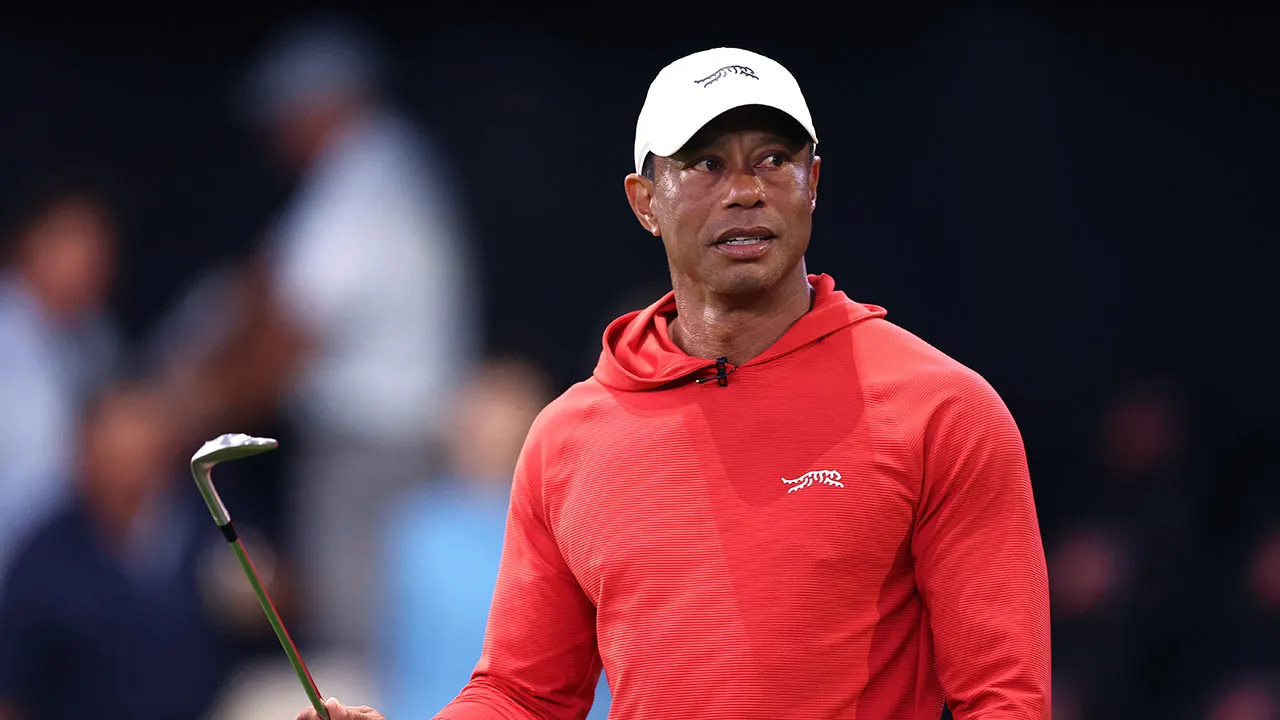
Imagine cruising down a secluded road in Martin County, Florida, late one evening, when suddenly, out of nowhere, the world spins into chaos. That’s what unfolded for golf legend Tiger Woods on a fateful night, leading to his arrest for driving under the influence—a charge that reverberates through his storied life like an echo of past misfortunes. Woods, the icon who turned professional at 20 and built an empire on precision and grit, found himself at the center of a rollover crash that left his vehicle upside down, forcing him to crawl out the passenger door in what must have been a disorienting haze. Martin County Sheriff John Budensiek painted a picture during a press conference: Woods was speeding, collided with another car, and the impact flipped his ride onto the driver’s side. No one else was hurt—thankfully, it was a solo drive—but the scene screamed vulnerability, a far cry from the invincible golfer we’ve cheered for decades. Woods blew zeros on the breathalyzer for alcohol, surprising investigators who initially didn’t suspect booze, yet his refusal to take a urine test sealed the deal. Charged with DUI, property damage, and refusal to submit to testing, these misdemeanors add another layer to a resume already marked by resilience. One can’t help but wonder: in the quiet loneliness of that moment, what personal demons or distractions led this champion, who battled injuries and addictions, to gamble his safety again? It “could’ve been a lot worse,” the sheriff noted, a phrase that hangs heavy, reminding us how fragile even legends can be when the road and their inner struggles collide.
Digging deeper into the details, authorities described Woods as showing clear signs of impairment, even accounting for his history of surgeries and injuries. They performed in-depth roadside tests, noting his explanations about past pains, but the puzzle didn’t fit neatly. While alcohol wasn’t the villain confirmed, something had dulled his legendary focus—that sharp mind capable of sinking putts under pressure now clouded, perhaps by prescription meds or sheer exhaustion. Refusing the urine test wasn’t just procedural defiance; it spoke to a man wary of medical scrutiny, haunted by the 2017 DUI arrest on the same Florida island where prescription drugs were implicated. Back then, it derailed his career briefly; this time, with properties like witness interviews and community impact assessments pending, he faced potential jail time or license suspension. It’s a human story of limits—Woods, who conquered the impossible 15 times on the links, now faces earthly consequences. As the sheriff’s words echoed, “He’s been charged with DUI, with property damage and refusal,” one feels a pang for the isolation: alone in the car, emerging battered from a passenger door like a survivor of his own crash. No glamour here, just the raw reality of accountability, forcing fans to confront the multi-dimensional man behind the myth. Yet, amid the legal tangle, there’s empathy; who hasn’t battled invisible battles? Woods’ response in interviews hinted at defiance, but beneath it, perhaps gratitude that no lives were lost. This incident, unfolding as the golf world buzzes about his next moves, underscores how even giants stumble, reminding us that heroism and hardship walk hand in hand.
A Triumphant Return Amid Personal Triumphs and Public Scrutiny
Earlier that week, amidst the drama, Woods had a moment of redemption on the golf course, competing in the Tiger Golf League (TGL) championship surrounded by a supportive circle—including his girlfriend, model and philanthropist Vanessa Trump, and her daughter, Kai. It was a poignant scene: the 48-year-old champion, freshly back from rupturing his Achilles tendon just before last year’s Masters, dominating the field while the two watched from the stands, smiles wide among the fans. For Woods, this wasn’t just a win; it was a statement in his comeback narrative, proving he could still command respect despite the physical toll of surgeries and recoveries. Vanessa, who radiates elegance and advocacy for causes like mental health, shared glimpses on social media, highlighting the family’s joy. Kai, a young girl with her own aspirations, must have felt the thrill of being part of icon history, perhaps dreaming of the limelight that’s graced her stepmother’s life. Woods, ever the mentor figure, engaged in light-hearted banter post-round, acknowledging Vanessa’s presence in a way that humanized him beyond the athlete—a partner in life’s ups and downs. This victory, his first competitive event since pulling out of 2024’s majors amidst injuries, injected hope, but it also set up a stark contrast: from the fairway’s cheers to the roadside’s sirens just days later. As he navigated the greens, refusing to commit to this year’s Masters despite President Donald Trump’s bold prediction on “The Five,” one senses the weight of expectations. Trump, a close friend, declared with confidence that Woods would be at Augusta, if not playing competitively, perhaps to inspire others. It’s a personal world colliding with public life, where love and legacy intertwine. For Vanessa and Kai, this weekend might have been a rare window of normalcy, a reminder of Woods’ softer side amid his warrior facade. Yet, as the arrest news hit, it cast a shadow—did the pressure of performing push him too far? Humanizing this, we see a man trying to juggle resurrection with reality, family bonds tightening amid uncertainty.
Echoes of Past Mishaps: Lessons from the Driver’s Seat
Reflecting on Woods’ history, this arrest isn’t an isolated blip but part of a pattern that humanizes his fallibility. Back in 2017, on that same quiet Jupiter Island stretch near his Florida home, he was nabbed for DUI after taking prescription painkillers, a moment that nearly ended his career and marriage. Fast-forward to 2021, and another nightmare unfolded: speeding in his SUV in Los Angeles, he flipped his vehicle multiple times, suffering severe leg injuries from compound fractures that shelved him for the entire golf season. Those scars required titanium rods, surgeries, and months of grueling rehab, forcing him to rebuild not just his body but his psyche. Eyewitnesses to the 2021 crash recalled the terrifying rollovers, his car smashing into trees before coming to rest upside down—miraculously, he crawled out, much like this recent incident, evoking survival instincts honed over decades of pressure. Docs at the time wondered if lingering pain drove reckless choices, a theory that resurfaces now with this double-zero breath test. Woods’ refusal to submit to further tests echoes his past tight-lippedness with authorities, perhaps shielding vulnerabilities like sleep apnea or the chronic back issues diagnosed early in his career. In interviews, he’s admitted to battles with addiction, those dark nights after the 2009 scandal involving erratic driving and personal lows. Humanizing this, one thinks of the toll: a kid from Cypress, California, who grew up idolizing golfers, now a father, son, and global figure grappling with demons. His ex-wife, Elin Nordegren, stood by him through thick and thin, but these repeats prompt soul-searching. As Sheriff Budensiek mused, “This could’ve been a lot worse”—a mantra for Woods, who narrowly escaped fatalities in both prior crashes. It’s a cautionary tale of how fame’s excesses, combined with a demanding sport, can lead to lapses, urging empathy for a man who’s lost so much yet keeps fighting.
A Career in Flux: Struggles on and Off the Course
Woods’ golf journey, a tapestry of triumphs and tribulations, provides context for his current turmoil. Since his miraculous win at the 2019 Masters—capturing his fifth green jacket when many wrote him off after spinal fusions—his performances have ebbed. In 14 majors thereafter, zero top-20s, a drought unmatched since his rookie slumps in 1995-1996. His last 26 majors boast just four such finishes, with his best post-2020 Open being a tying 37th at the PGA Championship—a far cry from the dominance that built an empire worth billions. In 2024, he limped through five events, withdrawing from Genesis, finishing dead last at Masters, and missing cuts elsewhere amid whispers of lingering injuries. It’s heartbreaking for fans who remember his 2000 U.S. Open magic or Tiger Slam glory. Yet, this humanizes him: no longer the invincible 20-something, but a veteran pushing 50, joints screaming, mind racing against time. Competing with younger stars like Scottie Scheffler, Woods navigated TGL with vigor, even as refusals to play more hinted at preservation. Vanessa and Kai’s presence added warmth, perhaps a lifeline in lonely hotel nights. Analysts speculate burnout or overtraining; others point to personal distractions. Regardless, each swing echoes perseverance—a father inspired by his kids, including Sam and Charlie, who’ve shared his lessons. This arrest, coming when he’s swinging again, amplifies the narrative of redemption interrupted. Woods has donated millions to charity, mentored kids, but off-course woes overshadow on-course heroics. As we watch, it’s a reminder that legends bleed too, their stories enriched by flaws, making victories sweeter and setbacks more poignant. Golf, once escapism, now mirrors life’s unpredictability, where one bad judgment overshadows countless perfect putts.
The Broader Impact: A Nation Reflects on Addiction and Accountability
Woods’ saga doesn’t just belong to him; it ripples through American culture, highlighting issues like drug addiction, mental health, and the perils of fame. His arrests fuel discussions: is he battling prescription dependencies, or is fatigue alone the culprit? In Florida, modeled 0.05 DUI laws cover impairment from anything, not just alcohol, catching those like Woods who might rely on meds for chronic pain. Advocates see his story as a beacon for rehab, with Woods himself crediting therapy after 2017 for salvaging his life. Yet, the refusal to test raises eyebrows—could revealing substances expose deeper issues? For communities, especially in rural Florida where these roads wind, it’s a wake-up call: high speeds and impairments endanger all. Sheriff Budensiek’s transparent handling contrasts with past controversies, fostering trust. Woods, a businessman with Omnilo International and TGR, remains a magnet for media, his life dissected like a novel. Fans from diverse walks—millennials who grew up watching him to new gen Z—feel conflicted: admiration tainted by sympathy. Humanizing, we ponder the man behind accolades: a son mourning his late father Earl, a brother to Royce, father to a blended family spanning ex-wives and girlfriends. Trump’s alignment adds political flair, but the core is human vulnerability. In courtrooms and living rooms alike, this incident prompts reflection: how do we support icons while demanding justice? Woods has apologized in past interviews, showing growth. As he faces fines, classes, and probation, perhaps this marks another pivot, a chance to emerge stronger. It’s a testament to resilience, where one crash doesn’t define 30 years of glory but humanizes the journey’s bumps.
Looking Ahead: Hope Amid the Headlines
As Woods navigates this legal tempest, the golf world waits with bated breath for his next chapter. With the Masters looming, his noncommittal stance—despite Trump’s assurances—leaves room for speculation: will he tee off, or heal? If he does, Vanessa and Kai might cheer again, grounding him in love. But if not, fans wonder about a graceful exit, perhaps coaching or philanthropy. Woods has invested in pro-am events, inspiring the next generation, proving his legacy extends beyond swings to life lessons. This arrest, a misdemeanor starkness, could catalyze change—voluntary rehab, lifestyle shifts. Remember, he’s faced worse: career lows, divorces, back surgeries. Each time, perseverance prevailed. Humanizing this, we root for redemption, not just victories. Sheriff Budensiek’s closure might lead to leniency, given cooperation and context. For America, it’s a story of second chances in a culture obsessed with perfection. Woods, with his fortune and fame, exemplifies how even the elite confront everyday struggles. As he did in 2019, rising phoenix-like, perhaps this too will forge anew. In the end, Tiger’s tale isn’t just about crashes; it’s about climbing higher, reminding us all that life’s fairways are lined with detours, but the finish line waits for those who persist. With hope, Woods can turn this stumble into stride, etching another layer into his immortal story.