





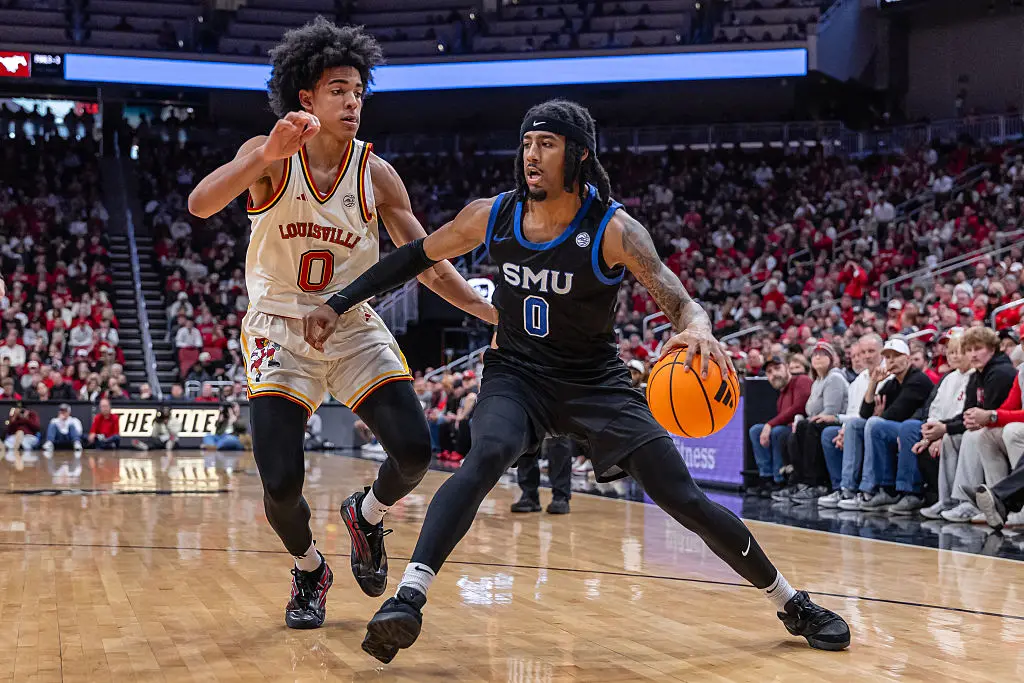
In the vibrant world of college basketball, where underdog stories and buzzer-beaters captivate fans, the SMU Mustangs found themselves at the center of a storm that had little to do with their gameplay and everything to do with transparency and trust. Picture this: it’s the night before “Selection Sunday,” and rumors about guard B.J. Edwards’ health were swirling like a whirlwind on social media. Fans, analysts, and even die-hard supporters were buzzing with outrage long before the Mustangs tipped off against Miami (OH). SMU had clawed its way onto the NCAA Tournament bubble, boasting a resume that screamed potential—a mix of quality wins and heart-pounding efforts that made them seem like a natural fit for the field. But Edwards, their star player with a knack for scoring and defense, had been sidelined for the last five of six games, raising eyebrows about whether the Mustangs were truly ready for March Madness. Was their inclusion based on genuine strength, or was it a gamble on a returning hero? The outrage wasn’t just casual chatter; it exploded into accusations of unfair play, with detractors claiming SMU might not deserve that coveted spot if their key piece wasn’t fully in the picture. As the game approached, the atmosphere crackled with anticipation, not just for the showdown on the court, but for the unfolding drama that painted a bigger picture of ethics, expectations, and the high-stakes world of college sports.
Diving deeper into SMU’s journey, their season had been a rollercoaster of triumphs and setbacks, culminating in that razor-thin bubble position. On paper, they looked the part: a collection of resilient performers who’d secured wins against solid competition, balanced by Edwards’ influence as the team’s third-leading scorer and a defensive stalwart. This young athlete, with his breakaway dunks and clutch shots, symbolized the Mustangs’ fighting spirit, transforming what could have been another missed opportunity into a legitimate shot at glory. Yet, his absence in those crucial late-season games left a void that fans and pundits couldn’t ignore. Would he reclaim his form just in time for the tournament? The uncertainty wasn’t helped by the NCAA Selection Committee’s cryptic decision-making process, which often feels shrouded in mystery, leaving teams and followers alike second-guessing every choice. Edwards’ comeback was anticipated with bated breath, but as Selection Sunday loomed, questions about SMU’s true worth intensified. Had they earned their place through sheer grit, or was it contingent on a player’s return that felt more like a promise than a certainty? This tension built a narrative of resilience versus reality, where one player’s health could tip the scales of tournament destiny. It was a reminder of how fragile the path to March Madness can be, where injuries and recoveries aren’t just physical hurdles but moral dilemmas in a sport that demands everything from its stars.
At the heart of the firestorm were comments from Keith Gill, the chair of the NCAA Selection Committee, who shed light on what many saw as the tipping point. In a candid moment during the selection process, Gill highlighted Edwards as a linchpin for SMU’s inclusion. “He’s coming back,” Gill noted, emphasizing the guard’s status as the third-leading scorer and a vital defensive force. “The quality of their wins and obviously getting back to full strength allowed them to kind of get that last spot.” For fans, this admission was like gasoline on the flames—did the committee hinge SMU’s fate on a player’s uncertain return, potentially overlooking teams with more consistent rosters? The outrage simmered, with accusations flying that the Mustangs had exploited the system’s faith in their word. Gill’s words, intended as honest insight, instead ignited debates about favoritism and the human element in what should be a merit-based process. Were schools expected to be crystal-clear about player availability, or could they skirt edges when the prize was a tournament berth? This revelation exposed the fragility of trust in college athletics, where committees rely on self-reported information from programs hungry for that game-changing inclusion. It wasn’t just about basketball stats; it was about accountability and the ethics of relying on promises that might not materialize.
The real drama unfolded two hours before tip-off against Miami (OH), when Edwards’ injury report dropped: he was officially out. This bombshell didn’t just rock the sidelines—it amplified the outrage to deafening levels, with cries of “misleading” echoing across forums and airwaves. Did SMU deliberately paint an optimistic picture to secure their spot, only for Edwards to sit out the opener? The Mustangs had issued statements claiming they “expected” him to play, providing updates to committee members that suggested they’d be at full strength right from the gate. But as the clock ticked, doubts surged: was this transparency, or a strategic nudge to the committee? In the cutthroat world of CBB, where a tournament appearance means millions in revenue and exposure, the line between optimism and deception can blur. Fans imagined the internal debates—coaches weighing risks, players pushing through pain, all while the spotlight burned hotter. Edwards’ absence wasn’t just a minor setback; it symbolized a potential breach of trust, raising eyebrows about whether SMU had gamed the system. In an era of heightened scrutiny, this incident highlighted the need for ironclad accountability, turning what should have been a joyous pre-tournament warmup into a cautionary tale of “money and morals.”
SMU head coach Andy Enfield faced the media scrum after the 89-79 loss, his words a mix of candor and defensiveness that added layers to the saga. Edwards had looked sharp in practices, sinking shots with ease and moving like his old self through the last couple of days, he explained. But in a poignant revelation, Enfield invoked “game readiness,” a concept as elusive as it is crucial in sports. Edwards didn’t feel quite prepared, even though he assured the team he’d be locked in for later rounds. “He said he could definitely play on Friday if we win this game,” Enfield shared, a glimmer of hope amidst the defeat. It was a raw, human moment—acknowledging that health isn’t a switch but a spectrum, where overconfidence can lead to disaster. For followers, this honesty humanized the ordeal, shifting focus from conspiracy to the complexities of athlete well-being. Yet, it begged the question: if Edwards wasn’t ready for the opener, why the earlier assurances to the committee? Enfield’s response painted a picture of well-intentioned optimism clashing with reality, reminding everyone that players are people first, grappling with the physical and mental toll of high-stakes competition.
From an outsider’s lens, another perspective emerged, courtesy of a Power-4 program coach who pulled back the curtain on the industry’s dynamics. This anonymous insider reflected on the Edwards situation, noting the player’s genuine intent to play but criticizing the NCAA’s over-reliance on schools when billion-dollar stakes loom. “If you’re trusting a bubble team to be transparent with something this big on the line, it’s the committee’s misstep,” the coach quipped, imagining SMU’s dilemma: admit uncertainty and risk exclusion, or project confidence and hope for the best. The coach emphasized that full disclosure could have doomed the Mustangs, as partial readiness might not have sealed the deal. This insight underscored a broader truth about college sports’ ecosystem—where ethics often bow to ambition, and schools navigate greys not just for victory, but for survival. Hopefully, the NCAA gleaned a lesson: never again hinge selections on vague availabilities from desperate programs. As fans, we’re left to ponder the balance between human elements and ironclad rules, where one player’s “not quite ready” reverberates far beyond the court, shaping the trust in a beloved game. This ordeal wasn’t just a blip; it was a call for change in how we view health, honesty, and the high-wire act of tournament bidding. Moving forward, it might inspire stricter guidelines, ensuring that selections honor merit without wagering on the unknown. In the end, SMU’s story is a testament to resilience, reminding us that behind every sports scandal lies real people chasing dreams amidst the chaos.