



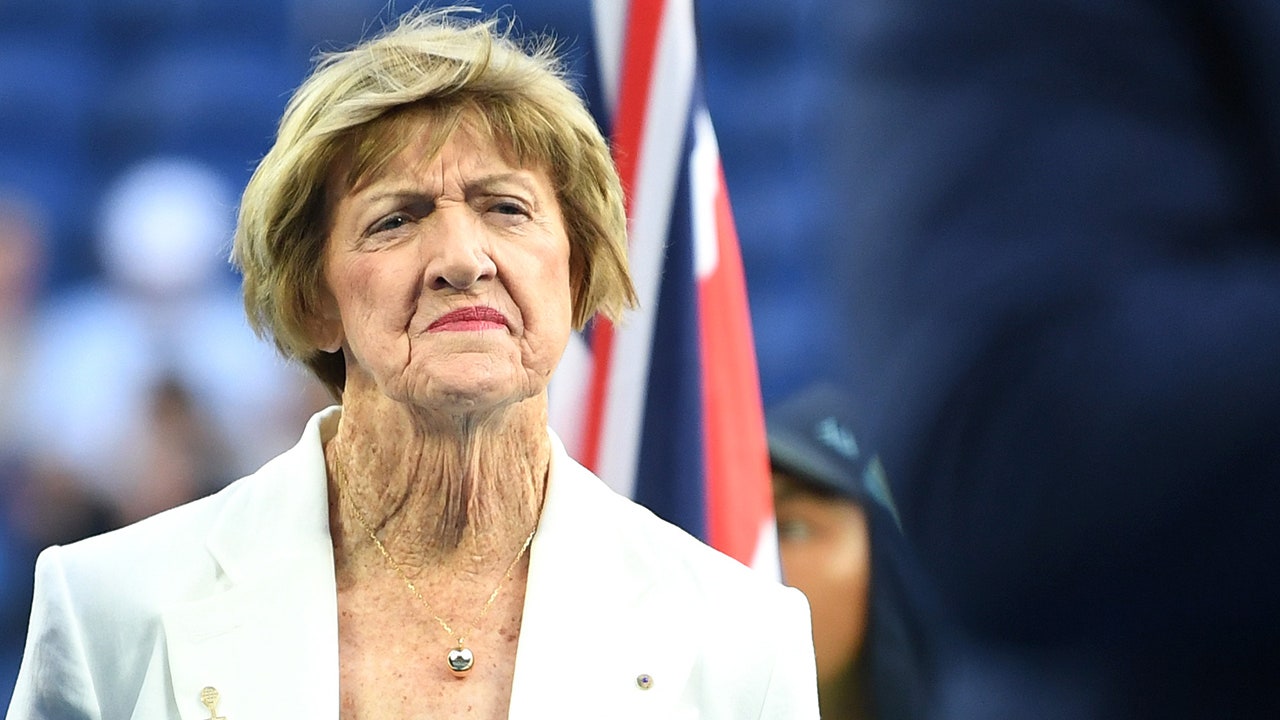
Margaret Court’s Stand on Traditional Values and Modern Challenges
In a candid interview with The Telegraph, tennis legend Margaret Court expressed her deep concerns about the erosion of Christian values in educational institutions and its impact on children’s development. Court, who holds an unparalleled record of 24 Grand Slam singles titles among her impressive 64 major titles overall, has become as known for her traditional views as for her athletic achievements. While her perspectives on gender identity and same-sex marriage have generated controversy, Court maintains that her positions stem from her religious convictions rather than prejudice, emphasizing that she has “nothing against gay people” but simply stands by what she believes the Bible teaches.
Court’s concerns center particularly on young people’s gender identity development. She shared her personal experience as a self-described “tomboy” who “played football and cricket, and beat all the boys doing it” but still maintained a clear understanding of her gender. This personal history frames her worry about contemporary children who might question their gender identities. Court expressed specific alarm about medical interventions like hormone replacement therapy being made available to pre-pubescent children, questioning the wisdom of allowing such life-altering decisions before these young people reach traditional milestones of maturity like driving age. “We don’t even allow them to drive until they’re 17. So why would you do that to another human being?” she questioned, adding emotionally, “What are we doing to our young people? I cry about that.”
The tennis champion’s comments reflect broader societal debates about the balance between supporting young people’s authentic self-expression and ensuring they have appropriate guidance and protection during their formative years. Court’s position represents a traditional viewpoint that prioritizes biological determinism and religious teachings in understanding gender, while critics argue that such perspectives can be harmful to transgender and gender-questioning youth who may face significant mental health challenges without proper support. This tension illustrates the profound disagreements in contemporary society about how best to nurture children’s development in a rapidly changing cultural landscape where conceptions of gender and sexuality have evolved considerably since Court’s heyday on the tennis court.
As one of women’s tennis’s greatest champions, with an extraordinary career that included not just those 24 singles titles but also 19 women’s doubles championships and 21 major mixed doubles titles, Court’s legacy extends far beyond her athletic achievements. Her record remains unmatched even by modern greats like Serena Williams, who came close but never surpassed Court’s Grand Slam singles tally. This sporting greatness gives Court a platform from which to express her views, though it doesn’t shield her from criticism when those views conflict with evolving social norms around gender identity and LGBTQ+ rights. Her comments reflect the complex intersection of sports, celebrity, religion, and social policy that characterizes much contemporary discourse.
Court frames her controversial positions as simply upholding biblical values rather than expressing animus toward any group. “As a minister, I simply stood up for some values,” she told The Telegraph, referencing her role as a Pentecostal minister following her retirement from tennis. She specifically cited biblical text about marriage being between a man and a woman to explain her opposition to same-sex marriage in religious contexts. Court acknowledges that such stances can “turn people against you,” but suggests that her religious convictions provide comfort: “When you know the peace of God, when you help people and see their lives change, that’s all that matters.” This framing positions her controversial views as expressions of religious conviction rather than personal prejudice, though critics would argue the impact remains harmful regardless of intent.
The controversy surrounding Court illustrates the challenging cultural divisions that persist in discussions about religion, children’s welfare, gender identity, and human rights. As societies continue to navigate these complex issues, the voices of influential figures like Court highlight how personal experiences, religious beliefs, and traditional values interact with evolving scientific understanding and changing social norms. Court’s perspectives, while controversial, represent viewpoints held by many who value traditional religious teachings and worry about rapid social change. Meanwhile, advocates for transgender rights and inclusive approaches to gender identity emphasize the importance of supporting young people in their authentic self-expression and warn about the dangers of stigma and repression. These ongoing conversations reflect the difficult but necessary process of societies wrestling with deeply held values while attempting to create environments where all people, including children, can thrive.