

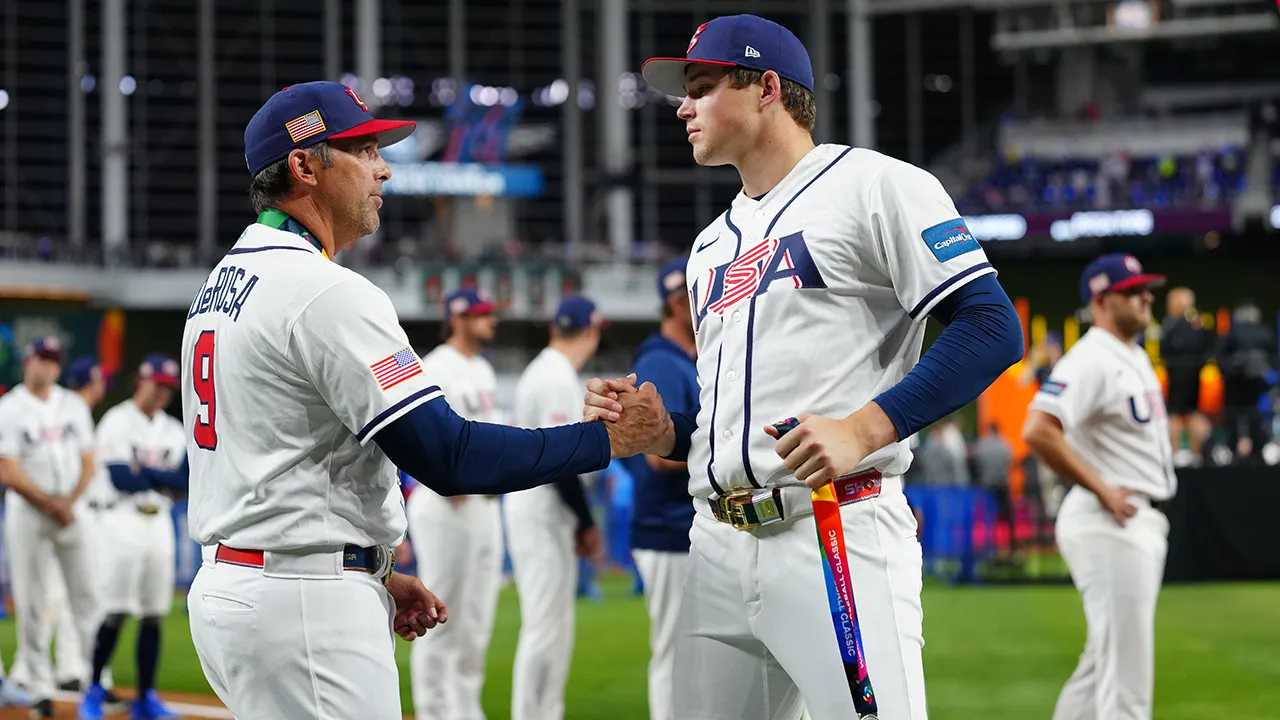
The air in Miami’s LoanDepot Park hung heavy with anticipation on that Tuesday night, a blend of tropical humidity and the electric buzz of international baseball rivalries. Fans had flocked from near and far, waving flags and cheering in a cacophony of languages, as the World Baseball Classic final pitted the USA against Venezuela. It was more than just a game; it was a clash of national pride under the stars, where every pitch carried the weight of dreams deferred and hopes alive. The USA, boasting a roster studded with Major League talent, had stormed through the tournament, defeating Canada and the Dominican Republic with gritty determination. Yet, as the final inning unfolded, they fell short in a thrilling 3-2 defeat, capping a heartbreaking end to what had seemed like an unstoppable run. Imagine the scene: the crack of the bat echoing through the stadium, the roar of the crowd surging like a tidal wave, and then the sting of disappointment as Venezuela claimed their first-ever WBC title. It wasn’t just about baseball; for many, it mirrored life’s ups and downs, where strategy meets fate, and sometimes, despite your best efforts, the game slips away.
At the heart of this tale was Mason Miller, the electric All-Star closer for the San Diego Padres, whose lightning-fast pitches had become a highlight reel all their own. Manny loved the spotlight on the mound, where his stuff was unmatched, striking fear into batters with sliders that danced like phantoms. He’d shone in the tournament’s earlier rounds, securing saves against Canada on Friday and the Dominican Republic on Sunday, each outing cementing his status as the USA’s shutdown arm. His teammates relied on him, sharing laughs in the locker room about his high-energy pitches and his knack for turning would-be rallies into mere footnotes. But that championship night, Miller stayed benched, warming up in the bullpen while the drama unfolded on the field. It was a decision that left fans questioning if he’d been the joker in a cruel deck of cards. Managers weigh these choices like generals plotting battles, but for Miller, a passionate competitor who dreamed of clinching glory for his country, it must have felt like a personal punch to the gut—exciting the crowd from afar, yet powerless to step in and shift the momentum.
The pivotal moment came in the eighth inning when Bryce Harper, the beaming hero of Philadelphia, launched a home run that tied the game at two, sparking wild celebrations and high-fives among the dugout. It seemed like the perfect setup for Miller to soar in during the ninth, as convention dictated—bring in your closer in a tie game when you’re at home, letting them lock it down or set up the victory. Instead, manager Mark DeRosa called on Garrett Whitlock from the Boston Red Sox, a solid reliever but not the stopper everyone expected. Whitlock fought hard, but he allowed the winning run to slip through, handing Venezuela their historic crown. DeRosa later explained that Miller was available—but only under one strict condition: honoring the Padres’ wishes. “Had we taken the lead, he was coming in,” DeRosa quipped post-game, subtly revealing the Padres’ hardline stance that Miller could pitch solely in save situations, not risky tie games. It was a bittersweet twist, showcasing the complexities of professional sports where club loyalties trump international glory. For a guy like Miller, who puts his heart into every inning, this restriction must have churned his stomach, a reminder that even superstars are bound by rules beyond their control, echoing the everyday struggles where personal ambitions clash with organizational policies.
Ironically, the USA wasn’t alone in navigating these MLB-imposed limitations during the WBC, a testament to how far baseball’s global showcase has come since its 2006 inception. Venezuela’s skipper, Omar Lopez, had spent the championship morning on the phone haggling with team officials, ironing out pitch counts and availabilities for key arms. The New York Yankees’ David Bednar, another elite closer, faced rumors of unavailability after his Sunday exploits, despite his potential as a game-changer. Meanwhile, Detroit Tigers held back Enmanuel De Jesus entirely, seemingly valuing rest over the spotlight, while Chicago Cubs guarded Daniel Palencia like a prized artifact, permitting him only for saves. These behind-the-scenes dramas underscored the tournament’s tug-of-war between national representation and Major League economics—a human chess match where players become pawns in a bigger power play. It humanizes the game, reminding us that behind every uniform is a person with families, loyalties, and perhaps a touch of frustration, negotiating the balance between personal sacrifice and collective triumph, much like balancing work deadlines with family dinners.
The Venezuelan team erupted in jubilation when Eugenio Suarez delivered the decisive moment, a thumping RBI double that bounced around the outfield like a rolling thunder, securing their maiden title in the WBC’s short but storied history. Suarez, a veteran infielder whose journey included stints with contenders and underdogs, tapped into his faith post-game, proclaiming, “All the glory is for the Lord Jesus,” a heartfelt nod to the divine in the midst of human triumph. For the USA, this marked their second straight silver medal, a painful echo of the 2017 championship while falling short in 2023. Yet, there’s a silver lining in this narrative: these losses forge stronger bonds, inspiring new generations to dream big. Suarez’s hit wasn’t just wood on ball; it was a life lesson in perseverance, where an ordinary play in an extraordinary game can redefine national pride and personal legacy, fostering empathy across borders.
As the confetti rained down and players embraced under the lights, the USA’s squad reflected on what-ifs, their All-Star lineup a testament to resilience. Miller, for all his talent, embodied the quiet heroes who support from the sidelines, reminding us that baseball isn’t just wins and losses but stories of people navigating constraints. The event’s growth—spanning cultures from Lithuania to Japan—highlights unity in diversity, where restrictions and rivalries add depth to the drama. Follow the unfolding saga on platforms like Fox News Digital’s X feed or newsletters, where these tales of triumph and tribulation keep fans engaged. Ultimately, the WBC teaches us about humanity: the highs of victory, the lows of defeat, and the unbreakable spirit that makes every game worth watching. In a world full of uncertainties, it’s these moments— a bat swing, a managerial call—that connect us all.