


Aaron Rodgers Opens Up About Fan-Player Interactions Following DK Metcalf Suspension
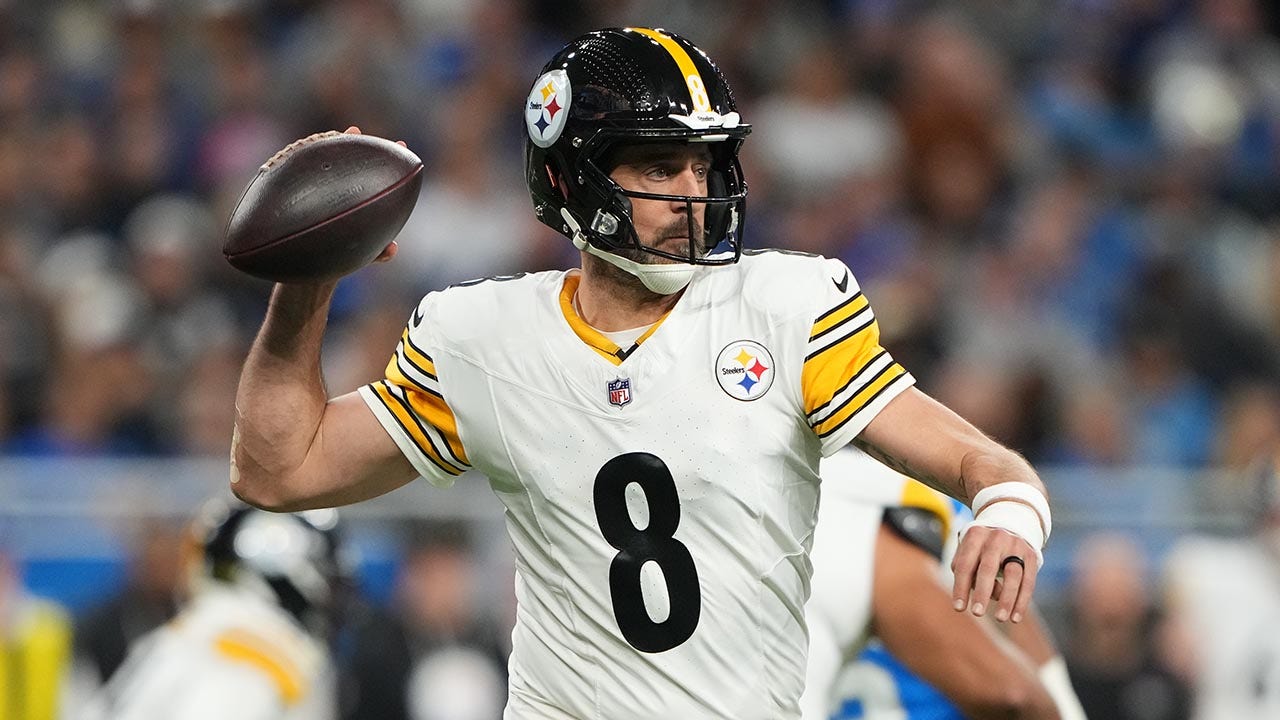
Pittsburgh Steelers quarterback Aaron Rodgers recently addressed the controversial interaction between Seattle Seahawks wide receiver DK Metcalf and a Detroit Lions fan, which resulted in Metcalf’s two-game suspension. During a press conference, Rodgers thoughtfully reflected on his own experiences with fan heckling throughout his long NFL career. While acknowledging that fans who purchase tickets certainly have the right to express themselves, he suggested there should be reasonable boundaries of conduct. “I think there’s a mindset that you pay for a ticket, you say whatever the heck you want. I think there should be some code of conduct,” Rodgers remarked. Though not condoning Metcalf’s specific actions, he expressed understanding of the emotional pressures players face and offered his continued support for his fellow NFL player.
Drawing from his extensive career, particularly his years in the NFC North, Rodgers shared an interesting observation about the contrast between game-day fan behavior and real-world interactions. “The truth is that that would never happen face to face,” he explained, noting that even the most vocal critics tend to be quite cordial during chance encounters away from the stadium environment. This dichotomy reveals the unique social dynamics that exist within professional sports venues, where the intensity of competition and tribal fan loyalty can sometimes transform otherwise reasonable people into provocative hecklers. Rodgers emphasized that while there are always two sides to every story in these confrontations, he stands firmly in support of Metcalf through this challenging situation.
When discussing the factors contributing to increasingly negative fan-player interactions, Rodgers identified several cultural shifts in how fans engage with sports. The rise of fantasy football has transformed casual observers into pseudo-team managers with personal stakes in individual player performances. The mainstream acceptance and proliferation of sports gambling has intensified emotional reactions to game outcomes and player statistics. Additionally, social media has created direct channels between fans and athletes that didn’t exist in previous eras, removing traditional filters and boundaries. “At the same time, as you see in parts of society erode, shall we say, maybe the conduct has changed a little bit over the years,” Rodgers observed, suggesting these phenomena reflect broader societal changes in how people interact with public figures.
Despite these concerning trends, Rodgers expressed appreciation for healthy fan engagement and good-natured rivalry. He shared an amusing anecdote about a recent exchange with a fan whose voice cracked mid-heckle, which became the subject of lighthearted teasing rather than confrontation. “I’m all for good trash talk… I love the banter with the fans,” Rodgers clarified, distinguishing between spirited fan participation and crossing inappropriate boundaries. This balanced perspective demonstrates his recognition that passionate fans are essential to the NFL experience, while still advocating for respectful interactions. His comments suggest a desire to preserve the energetic atmosphere of NFL games while establishing clearer expectations for fan conduct.
Rodgers also offered insights into the varying fan cultures across NFL venues, drawing particular contrast between his experiences at different stadiums. He spoke warmly about Lambeau Field, home of his former team the Green Bay Packers, where he believes the fan culture embodies midwestern hospitality even toward visiting supporters. “You don’t hear a lot of that playing in Lambeau over the years. Those are some of the nicest fans you could possibly imagine,” Rodgers reflected, painting a picture of visiting fans being welcomed into tailgates with local beer and bratwurst rather than hostility. This comparison highlights how stadium cultures differ dramatically across the league, with some fostering more positive interactions between players and fans than others.
The timing of this discussion is particularly significant as the Steelers continue their push toward clinching the AFC North division without Metcalf for the remainder of the season. Rodgers’ comments reveal the complex reality professional athletes navigate in their relationships with fans – balancing appreciation for passionate support while managing the occasional hostility that comes with being public figures. His perspective offers a nuanced view of the evolving player-fan dynamic in professional sports, acknowledging both the privileges and responsibilities on both sides of this relationship. As the boundaries between athletes and fans continue to blur through technology and changing social norms, Rodgers’ reflections provide valuable insight into how players experience these interactions and their hopes for a respectful fan culture moving forward.