





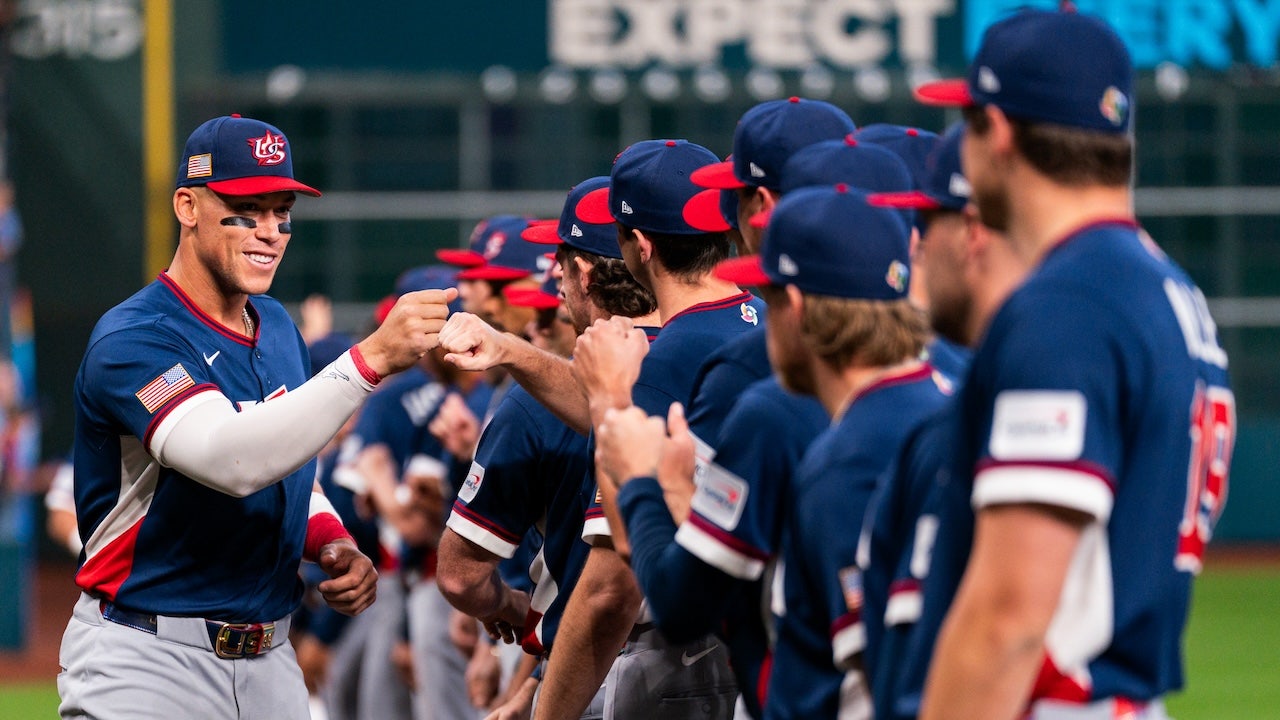
Former Navy SEAL Robert J. O’Neill is a guy who stares death in the face and walks away with stories that would make your hair stand on end. You know, the kind of guy who was right there in 2011, boots on the ground, when the most wanted man on the planet, Osama bin Laden, met his end in that daring midnight raid. O’Neill pulled the trigger that sealed bin Laden’s fate, and ever since, he’s been a living legend, sharing his tale not just in books or documentaries, but in speeches that pump up the American spirit. So, imagine this: Right before Team USA’s World Baseball Classic quarterfinal showdown against Canada on Friday night, O’Neill steps into the clubhouse. He’s not there to throw a pitch or coach from the dugout, but to deliver a fiery pregame talk to these young athletes representing our flag in a global slugfest. Picture the locker room atmosphere—dim lights, the scent of leather gloves and chalk, players stretching and joking around, suddenly stopping as this grizzled warrior, eyes piercing like he’s sizing up a target, starts speaking. His words? A raw recounting of valor, sacrifice, and victory. He draws a line from the battlefield to the ballfield, reminding these guys that patriotism isn’t just about medals; it’s about charging in, heart full of grit, whether you’re storming a compound or battling for the pennant. It’s the kind of motivation that gets blood flowing, turning ordinary athletes into warriors in cleats, and boy, did it work wonders that night under the Miami sky.
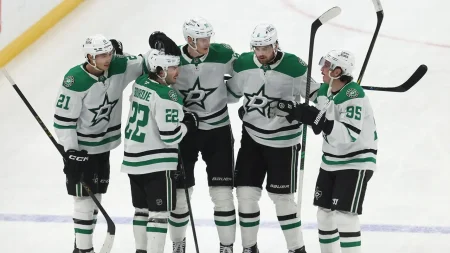
The game kicks off with that energy pulsing through Team USA veins, turning what could have been just another baseball match into an all-out assault on Canadian dreams. Canada, no slouches themselves, fields a solid squad, but the Americans come out swinging like they’ve got the ghosts of SEAL teams whispering in their ears. Hits crack off bats, runners dash like they’re evading IEDs, and pitchers throw heat that burns away doubts. By the end, it’s a 5-3 victory for the red, white, and blue, securing a spot in the semifinals. The win isn’t just a notch on the scoreboard; it’s poetic justice in a weird way, echoing themes of triumph over adversity that O’Neill’s speech hammered home. You can see the players high-fiving with renewed purpose, the crowd roaring as if they’ve just witnessed a modern-day epic. And get this—it’s not even an isolated triumph. This is the third time in under a month that Americans have dashed Canadian hopes on the world stage. Think about it: Last month at the Olympics, our men’s and women’s hockey teams crushed Canada in the gold medal games with dramatic flair. One after another, it’s like the universe is scripting a narrative of Yankee dominance, and this baseball win adds another thrilling chapter. Fans back home are glued to their screens, cheering not just for the sport, but for that unyielding American resolve that seems to burn brighter than ever.
Of course, not everyone’s popping champagne bottles in celebration. The speech, with its clear nod to wartime bravery as the heartbeat of American identity, lit up social media like a fireworks display gone wrong. Left-leaning critics, from stateside skeptics to international observers, pounced hard. They called it out for glorifying war, for tying patriotism to violence in a way that feels outdated or even dangerous in today’s world, where we grapple with endless conflicts and their costs. Comments flooded platforms like X (you know, the one formerly known as Twitter), with users condemning it as far-right rhetoric that equates heroism on the battlefield with athletic glory. Imagine scrolling through your feed: One person rolls their eyes and tweets about how war isn’t a game, how it scars families and nations, and how praising it before a baseball game trivializes the real sacrifices of soldiers. Others echo that, arguing it’s insensitive to weave bin Laden’s assassination into a pep talk, painting America as a bully on the global playground. The backlash swells, revealing a deep divide in how we view our nation’s soul—some see O’Neill as a beacon of strength, others as a relic from a hawkish past that’s better left in history books. It’s the kind of online storm that sparks heated debates in living rooms across the country, where folks argue over coffee about whether valor has a place in sports talk.
Yet, in this swirl of controversy, a counter-wave rises from those who defend O’Neill and his words with unyielding passion. They flood the same social media spaces with praise, pushing back against the critics like a team defending home plate. One X user, exasperated, posts something like, “It’s unfathomable that the comment section is filled with people upset about an American hero telling a team representing America about a heroic story about a mission his team accomplished. We went from a patriotic country post 9/11 to a country full of terrorist sympathizers.” That’s raw emotion right there— the kind of feeling that hits home for a lot of folks who’ve lived through those post-9/11 years, where unity and strength felt like the only language we spoke. Another fan cheers, “Epic! Well played by @USABaseball. American hero and legend in the clubhouse.” Stories like O’Neill’s aren’t just tales; they’re lifelines for those who see America as a force for good, rallying against what they view as nitpicking from the sidelines. It’s human, really—the urge to defend a veteran who bled for the flag, to remind everyone that without warriors like him, there might not be a Team USA stepping onto any field at all. The back-and-forth feels like a microcosm of broader cultural battles, where every retweet is a vote for the kind of America you believe in.
Amid this mounting controversy, Team USA baseball manager Mark DeRosa steps up to the plate, not with a bat, but with measured words that cut through the noise. Grinning through the media frenzy during a press conference Thursday before the game, DeRosa addresses the criticism head-on, shrugging off the heat like a pro sliding into second base without a scrape. He acknowledges Hughes’ message as a boost, a heartfelt shoutout that got everyone pumped, but pushes back against the naysayers by emphasizing the speech’s intent: to inspire, not to divide. “Look, Robert O’Neill is an American hero, and his story is one of courage that resonates with athletes giving their all,” you can imagine him saying, his voice steady, baseball cap tilted back as he fields questions. The manager knows the game—both on and off the field—and he deftly navigates the fallout, reminding reporters that sports are about unity, about channeling that competitive fire toward a common goal. No surprise he brings up the hockey connection; it’s a bridge between sports, a reminder that real heroes aren’t confined to one arena. DeRosa’s response feels authentic, like a coach calming his team after a tough inning, reinforcing that this is about representing America, not rehashing old wars. It’s a human moment in the spotlight, where a leader uses wisdom to steer the ship, turning potential drama into another story of resilience.
Now, Team USA’s eyes are set on the WBC semifinals, where they’ll face off against the Dominican Republic on Sunday—a matchup that’s got the hype meter cranking up again. The win over Canada feels like momentum building, a step toward what could be another storied American victory. And lo and behold, O’Neill wasn’t the only motivational force lurking in the wings; the talk of Jack Hughes, that hockey phenom who buried the game-winning goal against Canada in the Olympics, adds a layer of cross-sport synergy. Hughes, the USA hockey hero, apparently shot a message to the baseball lads, something motivational slipped into their group chat like a secret playbook. DeRosa spilled the beans: “Jack Hughes sent the boys a nice little fire-up message that I put out on their group chat. … I know there are some talks about some hockey jerseys being sent in tomorrow for the guys to wear during BP or out and about in the clubhouse.” Picture that—baseball players chilling in jerseys from a rival sport’s triumph, blending worlds in a show of national pride. It’s whimsical, endearingly human, the way sports families overlap and inspire. Fans, tuning into Fox News for the latest scoop, can feel that electric vibe; subscribe to the Sports Huddle newsletter or follow on X for more updates, because these moments remind us why we love the game. Whether it’s hockey’s swift goals or baseball’s slow-burn strategy, the spirit is the same—a testament to American grit that keeps on winning, game after game. It’s not just about scores; it’s about stories like these, human tales that bind us, controversy and all, in the ongoing narrative of who we are.