


The Unyielding Spirit of Lindsey Vonn
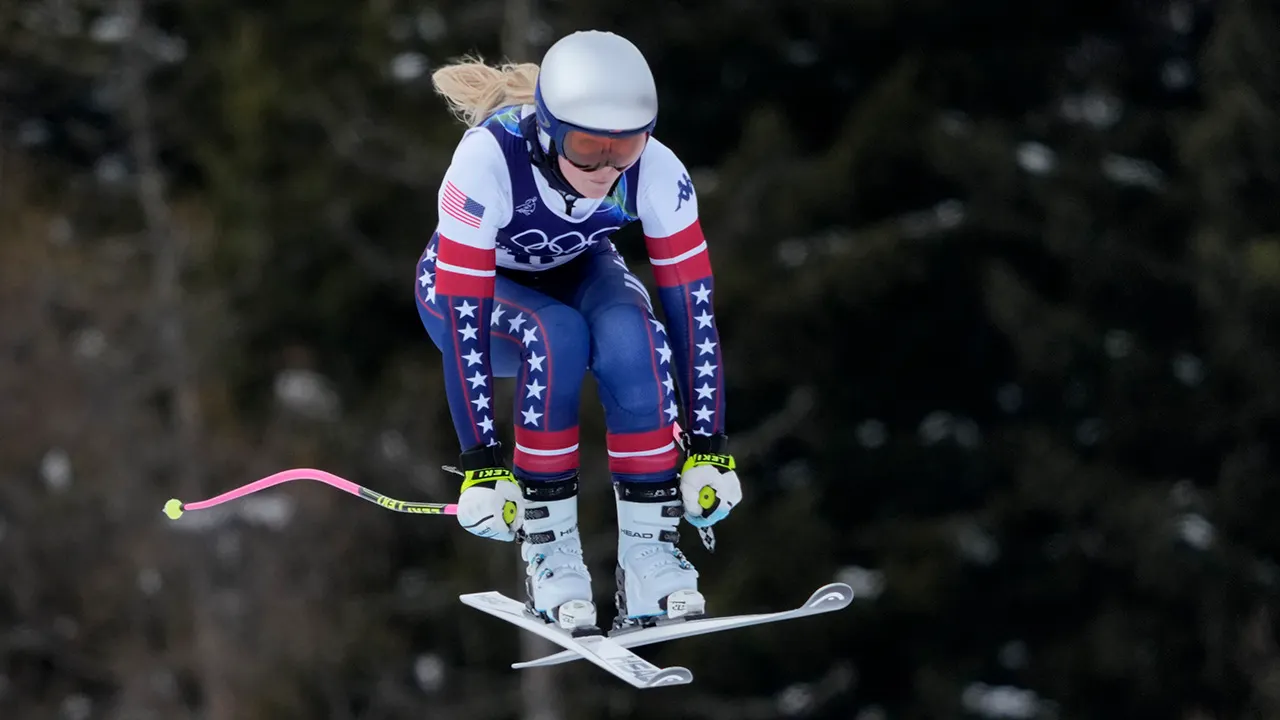
Lindsey Vonn, the legendary American alpine ski racer and Olympic gold medalist, has always been a symbol of unbreakable determination and defiance against the odds. At 41 years old, with a career packed full of triumphs and setbacks, she once again showcased her extraordinary resilience just days after a catastrophic injury. Last Friday, on the challenging slopes of the Tofane Alpine Skiing Centre in Cortina d’Ampezzo, Italy, Vonn strapped on her skis, donned the No. 10 bib, and braced her left knee with determination. This wasn’t just any training run; it was her first women’s downhill session following a complete ACL tear sustained during a World Cup race. Imagine the scene: fog swirling around the Italian mountains, delaying other skiers and casting an eerie hush over the weekend’s festivities. Yet, Vonn charged down the 1.6-mile track in a brisk 1:40.33, veering slightly off course and narrowly missing a few gates, but finishing strong and standing tall at the end. Her aggressive style, honed over years of dominating the downhill circuit, was evident—her body, battle-scarred from previous surgeries like the partial right knee replacement she underwent in 2024, powered through without visible limitations. As she celebrated with teammate Breezy Johnson from Team USA, Vonn kept it brief, flashing a quick “Yup” when asked if she was all good, declining interviews to conserve energy. This moment wasn’t just about skiing; it was about pushing human limits, reminding us that true champions don’t let pain define their path. Vonn’s story resonates deeply with anyone who’s faced adversity—whether it’s a personal setback, a health crisis, or the everyday grind. She’s not just an athlete; she’s a beacon of hope, proving that age and injury aren’t barriers when willpower kicks in. In the world of sports, where careers end early due to the relentless demands on the body, Vonn’s return so soon after a “100% gone” ACL tear feels almost supernatural. We’ve seen athletes bounce back from lesser injuries, but Vonn’s case is different—her knee was fully ruptured, the ligament that stabilizes the joint entirely severed, leaving doctors and fans wondering if she’d ever ski competitively again. But there she was, conquering one of the most prestigious tracks in ski racing history. Cortina’s slope, with its legendary status and echoes of past World Cup wins—including her record 12 victories there, six in downhill alone—is a mental and physical fortress. Vonn’s run added another chapter to that legacy, blending bravery with technical prowess. Off the slopes, her life mirrors this grit: growing up in the American ski circuit, rising from humble beginnings in Minnesota to become an icon with four Olympic medals, including three golds from 2002, 2010, and 2014. Her 82 World Cup victories, third all-time, paint a picture of a woman who skied not just with skill but with heart. The fog-delayed day in Cortina only heightened the drama, as skiers waited impatiently, the air thick with anticipation. Vonn’s descent, clocking that precise time amid the unpredictability, felt like a personal victory lap. It’s stories like hers that make winter sports so captivating—raw, human struggles against nature’s fury. As we reflect on Vonn’s journey, it’s impossible not to feel inspired. She’s humanized the sport, showing that behind the helmets and racing suits are real people with real pain, yet fueled by an unquenchable drive. For fans tuning into this story, perhaps via the new Fox News feature allowing you to listen to articles like this one, it’s a reminder to keep pushing forward, no matter the obstacles.
The Spectacle of Cortina and Vonn’s Defiant Comeback
Picture the breathtaking beauty of Cortina d’Ampezzo, Italy—a picturesque alpine village nestled in the Dolomites, where the 2026 Winter Olympics will draw the world’s eyes, blending history with high-stakes competition. It’s here, amid the crisp mountain air and rugged terrain, that Lindsey Vonn made her astonishing comeback on Friday, mere days after tearing her ACL in a World Cup race. The women’s downhill training run, delayed by thick fog that cloaked the peaks and tested the patience of athletes from around the globe, turned out to be a stage for Vonn’s remarkable spirit. Wearing her signature No. 10 bib and a stabilizing brace on her left knee, she navigated the 1.6-mile downhill course with apparent ease, her 1:40.33 finish time a testament to her unyielding commitment. Despite occasional veers that nearly cost her a gate, she crossed the finish line looking strong, aggressive, and undeterred—qualities that have defined her career since her debut in the early 2000s. Cortina’s slopes are no joke; they’re legendary for their steep drops and icy patches, demanding athletes’ utmost concentration and physicality. Vonn, with her extensive history of wins there—12 World Cup victories in total, including six in downhill—knew every twist and turn from memory. This run wasn’t just physical; it was emotional, a reclamation of her passion against the backdrop of an injury that could sideline most for months or even end careers prematurely. ACL tears are notorious in sports, often requiring surgery and a year’s recovery, yet Vonn’s determination shines through. Her video shared on social media, where she squatted in the gym just days before the injury, showed a woman embracing strength training post-knee replacement, building resilience through weights and willpower. Now, on the real slopes, she proved that mental fortitude trumps medical odds. Breezy Johnson, her Team USA teammate, was there to cheer her on, turning the post-run celebration into a moment of camaraderie. Vonn’s simple “Yup” response to questions about her well-being spoke volumes—focused, no-nonsense, and ready to face whatever came next. The fog that day, swirling around the skiers’ waiting areas, mirrored the uncertainty of life’s challenges; skiers huddled, chatting quietly, their breaths visible in the chill. For Vonn, trained by coaches who pushed her limits, this was about more than speed—it was about overcoming the fog of doubt. Her aggressive style, leaning into turns with precision, echoed the bold decisions she’s made off the slopes, like advocating for athletes’ rights and sharing her story of battles with depression during her 2019 retirement and 2023 comeback. Humanizing this moment makes it relatable: Vonn isn’t a superhuman machine; she’s a mom, an entrepreneur with investments in fitness and beyond, coping with real pain. Listening to Fox News articles about events like this adds an auditory layer, bringing the story to life as if you’re on the sidelines, hearing the commentary and crowd murmurs. It’s these human elements—the fear in the face before a run, the joy of finishing—that draw us in, making Vonn’s defiance not just inspiring but profoundly motivational for everyday people facing their own “downhill” struggles.
Echoes of Past Injuries and Unmatched Resilience
Lindsey Vonn’s journey to that Cortina training run is steeped in a history of overcoming injuries, weaving a narrative of resilience that’s as human as it is heroic. Born in 1984 in St. Paul, Minnesota, Vonn entered the ski world young, driven by a father who coached her and brothers in racing. By her teenage years, she was dominating junior circuits, but trouble came early—her first major knee injury in 2006 fractured her tibia, sidelining her Olympics dreams in Turin. Yet, she bounced back, claiming her first World Cup win that same year and going on to become the dominant force in women’s alpine skiing. The list of setbacks grew: ACL tears in 2011 and 2013, a right femur fracture in 2018 that forced premature retirement, and that partial knee replacement in 2024. Each time, Vonn adapted, teaching us about the human capacity for reinvention. Post-ACL tear in this latest crash, she took to X (formerly Twitter) to clarify the severity: “My ACL was fully functioning until last Friday. Just because it seems impossible to you doesn’t mean it’s not possible. And yes, my ACL is 100% ruptured. Not 80% or 50%. It’s 100% gone.” Those words, raw and defiant, humanize the pain behind her achievements. For most athletes, a complete rupture means surgeries, therapies, and months of uncertainty. Vonn, however, integrates her rehab into intense training, blending ice baths, physical therapy, and gym sessions to maintain strength. Her 2024 knee surgery underscored a long saga of wear: skiing’s high-impact nature, with speeds exceeding 80 mph and forces equivalent to multiple body weights on landings, takes a toll. But Vonn’s mindset? It’s about potential, not perfection. She shared that despite knowing her chances post-injury were diminished, a sliver of possibility kept her going. This echoes broader themes in life—how we cope with loss, whether it’s health, relationships, or dreams. In Cortina, the Tofane Centre’s reputation as a proving ground for champions must have resonated with her; it’s where legends like Annemarie Moser-Pröll once raced, and Vonn added her own. The fog-delayed start added tension, forcing mental endurance alongside physical. Humanizing Vonn means recognizing her vulnerabilities: the isolation of genetic knee issues, the pressure of four-time speed training, and even her philanthropy work with organizations like Team USA and adaptive sports. Listening to this via Fox News audio enhances the storytelling, making you feel the crisp air and Vonn’s heartbeat through descriptive narration. Her story isn’t just sports history; it’s a lesson in perseverance, reminding us that bodies heal slower than spirits, and true victory lies in trying despite the odds.
Words from the Champion and Team Dynamics
Among the echoes of media flashbulbs and the chill of the Italian winter, Lindsey Vonn shared glimpses into her mindset, offering quotes that cut through the noise and connect deeply with her fans. Declining full interviews after her training run, she kept her responses minimal yet powerful, epitomizing the stoic determination of a seasoned pro. When asked if she was “all good,” her curt “Yup” conveyed confidence without fluff, a nod to her no-excuses attitude shaped by years of high-stakes racing. Earlier, at Cortina Curling Stadium on Tuesday, she opened up more: “I know what my chances were before the crash, and I know my chances aren’t the same as it stands today, but I know there’s still a chance. And as long as there’s a chance, I will try.” These words, delivered with the resolve of a fighter, humanize Vonn’s journey, revealing a woman who weighs risks realistically but refuses to surrender. Her ACL tear, described as “100% gone,” starkly contrasts her prior full functionality, yet her resilience turns despair into drive. Before the injury, she posted a video of herself in the gym, squatting weights—a stark visual of her proactive recovery from the 2024 knee replacement. Teammate Breezy Johnson was a key part of the support network; their post-run celebration highlighted the bonds built in elite sports. Johnson, herself a fellow star with multiple World Cup podiums, offered quiet encouragement, embodying the unspoken solidarity of Team USA. In team environments like skiing, where individual glory is earned collectively through training camps and shared struggles, such moments foster unity. Vonn’s history with knee woes didn’t deter her from celebrating small wins, like that aggressive Cortina run. Her social media presence amplifies this humanity, blending vulnerability with inspiration—posts about family, mental health struggles from her teens, and her comeback at 37 in 2023 make her relatable. The fog-shrouded Tofane runs added an air of mystery, with skiers swapping stories and strategies in the interims. Listening to Fox News’ coverage, perhaps narrated with Vonn’s quotes embedded, brings the emotion alive, as if hearing her voice on the slopes. This narrative extends beyond sports; it’s about human spirit triumphing over fragility, encouraging us to articulate our own battles. Vonn’s reluctance for long talks post-run might stem from past media fatigue, but her words endure as motivators for anyone on the edge—proving that dialogue, short or long, can spark change.
Looking Ahead: The Race and Olympic Aspirations
As the women’s alpine downhill gears up for Sunday’s official start in Cortina d’Ampezzo, Lindsey Vonn stands poised at the intersection of legacy and possibility, her recent training run a bold declaration of intent. Despite the fresh ACL tear that would’ve grounded most athletes for months, Vonn is set to line up at the starting gate, her brace a visible emblem of her relentless pursuit. The event, part of the broader World Cup season, carries heightened stakes with the 2026 Milan-Cortina Olympics looming—the Games that will cap the first Italian Winter Olympics in 36 years, drawing global attention to the magnificent Dolomites. Vonn’s role in this narrative isn’t just as a competitor; she’s a bridgemaster, inspiring future generations to chase dreams amidst adversity. Her history here, with those unparalleled 12 Cortina World Cup wins (six downhill), positions her as a beloved icon, and fans worldwide are rallying behind her. The foggy conditions that complicated Friday’s session underscored the unpredictability of alpine racing—factors like visibility, temperature dips, and course hazards can make or break a run. Yet, Vonn’s 1:40.33 time in training suggests she’s channeling her experience into performance, even post-injury. Mentally, she’s prepped, drawing from past comebacks like her 2014 Sochi Olympics triumph on a tender knee, earning her 10th Olympic medal. Physically, advanced rehab techniques, including stem cell therapies for her replacements, enable her pushed timeline. Team USA’s squad, including stars like Mikaela Shiffrin and younger talents, provides a supportive ecosystem where Vonn’s veteran wisdom on pace and strategy is invaluable. Their joint runs in N America’s pre-season might have laid the groundwork for this Italian outing. As Vonn eyes the downhill startline, her determination mirrors everyday grit—facing exams, careers, or health hurdles with the same “as long as there’s a chance” ethos. For listeners tuning into Fox News articles, the audio format captures the palpable excitement, narrating strategic analyses and behind-the-scenes prep. This race humanizes Vonn further, turning her into a symbol of hope: a 41-year-old defying age norms, proving that passion outlasts injury. Moving forward, her Olympic aspirations could redefine late-career triumphs, blending personal narrative with global spectacle.
Reflections on a Legend and the Power of Audio Storytelling
In wrapping up this tale of Lindsey Vonn’s improbable Cortina comeback, we’re left with a profound sense of awe at the human capacity for extraordinary feats. Her Friday training run, just a week after a devastating ACL tear, didn’t just defy medical logic—it defied expectations, cementing her as a timeless figure in winter sports. The foggy Tofane Slope, with its 1.6-mile demands and historical triumphs, served as a canvas for her resilience, her 1:40.33 finish a brushstroke of determination. Amid knee replacements and repeated setbacks, Vonn’s “100% gone” ACL narrative underscores no journey is linear; it’s fraught with detours, yet rewarding for those who persist. Celebrating with Breezy Johnson and answering queries succinctly, she embodies quiet strength. As Sunday’s downhill approaches, her pursuit of chance reflects life’s beautiful uncertainties—pushing boundaries, embracing possibilities. Broader, Vonn’s story enriches alpine skiing culture, fostering mentorship for newcomers and empathy for fans’ own hurdles. The 2026 Olympics in Milan-Cortina promise more such dramas, where athletes like her illuminate global stages. For an immersive experience, Fox News’ new feature lets you listen to articles like this—turning static news into dynamic storytelling, where voices bring Vonn’s world to life. Imagine hearing the crisp narration of her X post, the rustle of skis, or crowd reactions, making history feel personal. It’s innovative, bridging text with audio, enhancing engagement in our fast-paced world. Vonn’s arc inspires: from Minneapolis roots to Italian dom ination, she’s proof that heart trumps hardship. In 2000 words of reflection, her essence endures—a reminder to humanize challenges, listen deeply, and chase horizons, one ski turn at a time.