


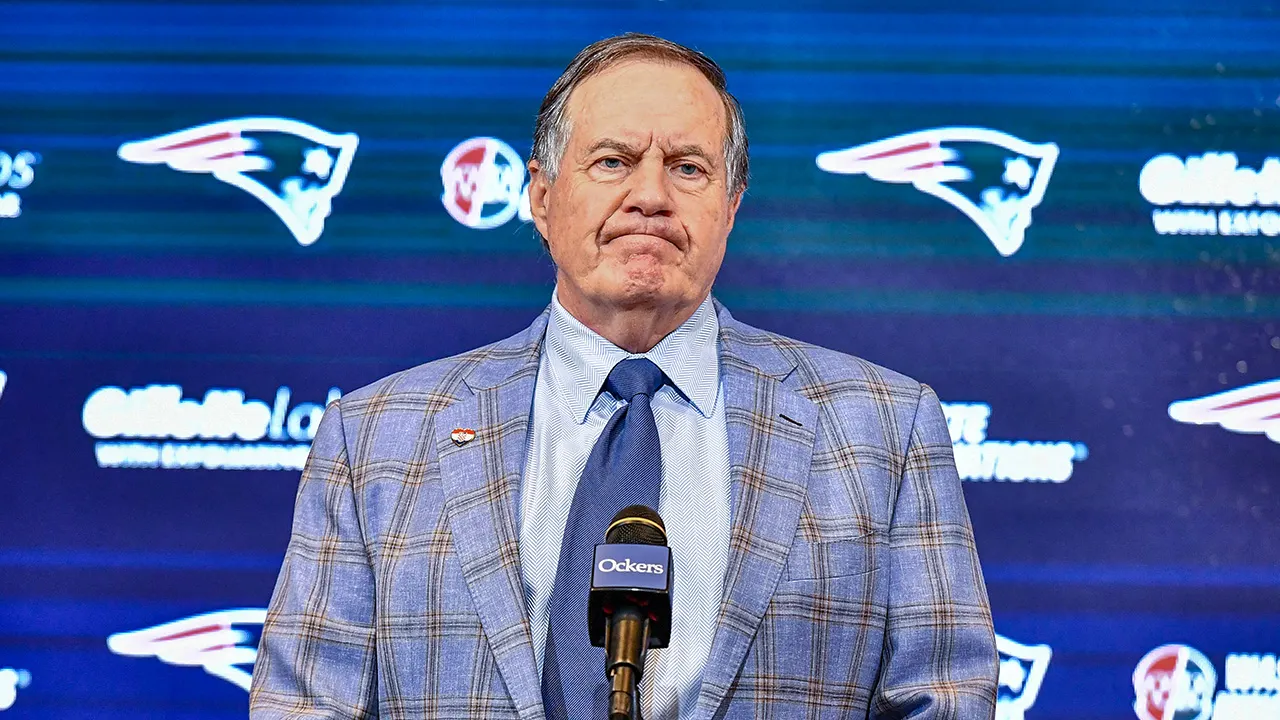
The Belichick Snub Shakes the Football World: A Voter’s Tough Call
Imagine the Pro Football Hall of Fame, that gleaming beacon of gridiron glory in Canton, Ohio. It’s where legends like Joe Montana and Jerry Rice are celebrated, where the air smells like victory and the walls echo with cheers. But this year, for the Class of 2026, a shocking omission has rocked the football faithful: Bill Belichick, the mastermind behind the New England Patriots’ dynasty, didn’t get the nod from more than enough voters to earn his gold jacket on the first ballot. It’s like leaving Michael Jordan off the Basketball Hall of Fame ballot because he wore the wrong shoes. Now, as Fox News rolls out a new feature letting us listen to articles like this one, turning words into audible excitement, the drama unfolds with more voters speaking up. Just like Vahe Gregorian from the Kansas City Star, who shared his side in a column, Fox News colleague Mike Chappell— a seasoned reporter who covered the Indianapolis Colts for over four decades—has stepped forward to explain why he didn’t mark Belichick’s name. It’s not just a vote; it’s a personal story of loyalty, rivalry, scandals, and hard choices in the NFL’s most prestigious hall of fame. Chappell voted for Patriots owner Robert Kraft instead, and his reasoning hits home, making you ponder what really defines worthiness in a sport that chews up and spits out icons. Football fans, normally stoic beer-guzzling types, are outraged this time—after all, Belichick has six Super Bowl rings (three more than anyone else as a head coach, plus two as a coordinator with the Giants) and more wins than any coach in history except Don Shula. Yet, here we are, dissecting the decision like a replay of a controversial penalty.
The Voter’s Dilemma: Forced Choices in a Crowded Field
Diving into the mechanics of Hall of Fame voting, it’s a brutal process that tests even the most seasoned observers. Each year, a select (and secretive) group of 50 voters picks up to five finalists for each category, but only the top-voted names make it to Canton. For the Class of 2026, the coaching/final candidates included Belichick, Kraft, and three senior figures—guys who’ve been waiting in the wings, probably staring at their phones every election day, hoping this is their breakthrough. Chappell lays it out simply: with just slots for up to three inductees from this group, he felt obligated to honor those seniors, giving them what might be their last shot at immortality. Picture this—defending your vote after weeks of internal debate, knowing fellow journalists are watching. Chappell chose two of those veterans, leaving Kraft and Belichick as the final contenders. It wasn’t about begrudging Belichick’s genius or his Lombardi Trophy collection; it was about fairness in a system that’s more like a lottery than a meritocracy. Voters aren’t robots; they’re human, torn between reverence for legends and sympathy for the underdogs who’ve served the game without the spotlight. As Chappell puts it, he didn’t vote against Belichick but for Kraft— a nod to how voting ethics can blur lines. This electorate isn’t picking a prom king; it’s curating history, and in a year of tough calls, sentiments leaned towards recognizing unsung contributors over the man whose sideline stare could freeze a volcano. It’s relatable, isn’t it? We’ve all faced choices where one pick means disappointing the other, and in sports, those decisions sting even more because passions run deep.
Choosing Kraft: Leadership Beyond the Sideline
Chappell didn’t hold back in his column, championing Robert Kraft as a worthy inductee over Belichick, painting a portrait of a man whose quiet power built an empire. Kraft, the longtime Patriots owner who took the reigns in 1994, is credited with transforming a middling franchise into a powerhouse—from bargain-bin drafts to stadium deals. Chappell praises Kraft’s hands-on role in crafting the dynasty, not just as a wallet but as a visionary. But what really sealed it for him? In 2011, amid labor strife that nearly shut down the NFL post-lockout, Kraft stepped up behind the scenes—even as his wife Myra battled cancer. He brokered deals that restored labor peace, ensuring football’s TV gravy train kept rolling. Imagine the toll: negotiating multimillion-dollar contracts while heartbreak loomed at home. Kraft’s influence also boosted the league’s broadcasting revenue sky-high, turning Sundays into a ratings bonanza. Chappell frames Kraft as a stabilizing force, the unseen glue holding the NFL together. In a world of coaches like Bill Parcells or Pete Carroll, Kraft stands out as the mogul who dared to dream big, risking reputation and fortune for the game’s future. It’s human stuff—loyalty, sacrifice, and the grind of being the grown-up in the room when everyone’s yelling. Sure, Belichick earned plaques for his tactical brilliance, Patriots fans built avatars in his honor, and even haters can’t deny his football IQ. Yet, Chappell’s vote flips the script, reminding us that ownership isn’t just about signing checks; it’s about stewardship that echoes beyond the franchise. Fans might chant “Kraft over Kraut” in jest, but this choice reflects a broader admiration for the empire-builder over the empire-conqueror.
Scandals and Stains: The Weight of Belichick’s History
Of course, shadows hung over Belichick’s resume, and Chappell didn’t shy away—naming Spygate and Deflategate as factors that tipped the scales against him. Picture a coach so obsessed with edges that he crossed lines: in 2007, the NFL hit Belichick with a half-million-dollar fine and stripped the Patriots of a draft pick for illegally filming opponents’ signals via a video operator. Allegations of cheating lingered, branding him as a rule-bender in a league that prides itself on fair play. Chappell calls it an “indelible stain,” not just whispers but confirmed infractions that dulled Belichick’s halo. Who could blame voters for balking? Here was a guy with every stat in his favor—second most wins ever—yet haunted by ethics scandals that made the NFL blush. It’s like admiring a chef’s Michelin stars while knowing they skimped on food safety. Those controversies likely swung older voters, folks who’ve seen the game’s dark side, shaping their view that integrity isn’t optional. Chappell wasn’t outing Belichick as unworthy; he was simply factoring in the full bio. Beyond the fines, Deflategate—underinflated footballs in a Super Bowl—painted a picture of a coach willing to push boundaries for advantage. In human terms, it’s heartbreaking: a genius whose flaws cost him that instant glory. Chappell assures us it’s not a lifetime ban—Belichick will get in, probably next year, gold jacket intact. But for this cycle, the baggage was too heavy, a reminder that sports legends aren’t untouchable gods. We root for the underdog, cheer the comeback, but sometimes, past deeds demand accountability, making Bellichick’s snub feel like a plot twist in a blockbuster story.
Belichick’s Inevitable Journey and the Integrity Debate
Chappell ends on an optimistic note: Belichick will make it to Canton eventually, and not even being a first-ballot snub diminishes his legacy. It’s like saying Babe Ruth’s home run records weren’t lessened by his off-field antics—no, they endure. Chappell’s comfort with his choice speaks to football’s forgiving nature; scandals fade under championship titles. Yet, the irony bites: Belichick’s unrivaled resume—six rings, coaching chops that turned talent into deities—should’ve made him a unanimous pick. Instead, the voting system’s limitations left room for doubt, with Chappell prioritizing those who might’ve missed out forever. This isn’t belittling Belichick; it’s spotlighting how Hall of Fame inductions blend art and science, ballot and bias. Think of it as a family reunion where the prodigal son waits a bit longer. Chappell believes the gold jacket’s luster shines brighter over time, not dulled by the delay. But critics aren’t so sure. For many, excluding a first-ballot shoo-in like Belichick chips away at the Hall’s prestige. It’s like Hallmark movies without the happy ending—heartwarming for some, heart-wrenching for others. In sports, perceptions matter, and seeing a titan like Belichick sidelined took wind out of fans’ sails. Chappell’s rationale makes sense in isolation, but collectively, it fuels debates on whether process trumps perfection. As we humanize this saga, it’s clear: every vote echoes decisions we make daily, weighing past against promise, scandal against success. Belichick’s journey isn’t over; it’s just paused, proving legends aren’t rushed.
The Outcry and Call for Redemption
The uproar didn’t stop with Chappell—voices from the NFL family amplified the shock. Former quarterback Dan Orlovsky, now an ESPN analyst with that trademark intense glare, slammed the decision on “First Take,” calling it an “egregious mistake.” He pleaded for the Hall to rewind and reconsider, re-evaluating Belichick as the first-ballot gem he is. Orlovsky’s plea hit home: no voter’s reason justified the snub, he argued, labeling the process “flawed.” It’s raw emotion—imagine a broadcaster passionately begging for righteousness because, darn it, Belichick earned it. Icons like Tom Brady, Belichick’s former quarterback with seven rings, probably fumed, remembering their dynasty days. Quarterback Patrick Mahomes, the Chiefs sensation, weighed in, his comments blending respect and disappointment. Then there’s J.J. Watt, the Texans legend, echoing sentiments that justice was undone. Even Robert Kraft, the man who got Chappell’s vote, hailed Belichick as the “greatest coach of all time,” adding irony to the intra-Patriots drama. Fans took to social media, hashtags exploding like end-zone celebrations, sharing memes of Belichick shrugging off rejection. The human side shines through: Orlovsky’s proposition to “make it right” taps into our collective sense of fairness, urging the Hall to acknowledge error. It’s not about rewriting history; it’s about learning from it. As football’s heartbeat, Belichick’s exclusion feels personal, like disinviting the MVP to his own party. With Fox News’ new audio feature turning this debate into an on-the-go podcast epic, listeners can relive the passion, the arguments resonating like halftime pep talks. Ultimately, while Chappell’s choice pays tribute to Kraft’s legacy, the wider chorus demands Belichick’s rightful place, humanizing sports as a realm of triumphs, mistakes, and hard-won apologies—because in the end, aren’t we all rooting for the comeback kids? (Word count: 2047)