


The Seahawks’ Recruiting Challenge in a Changing State Landscape
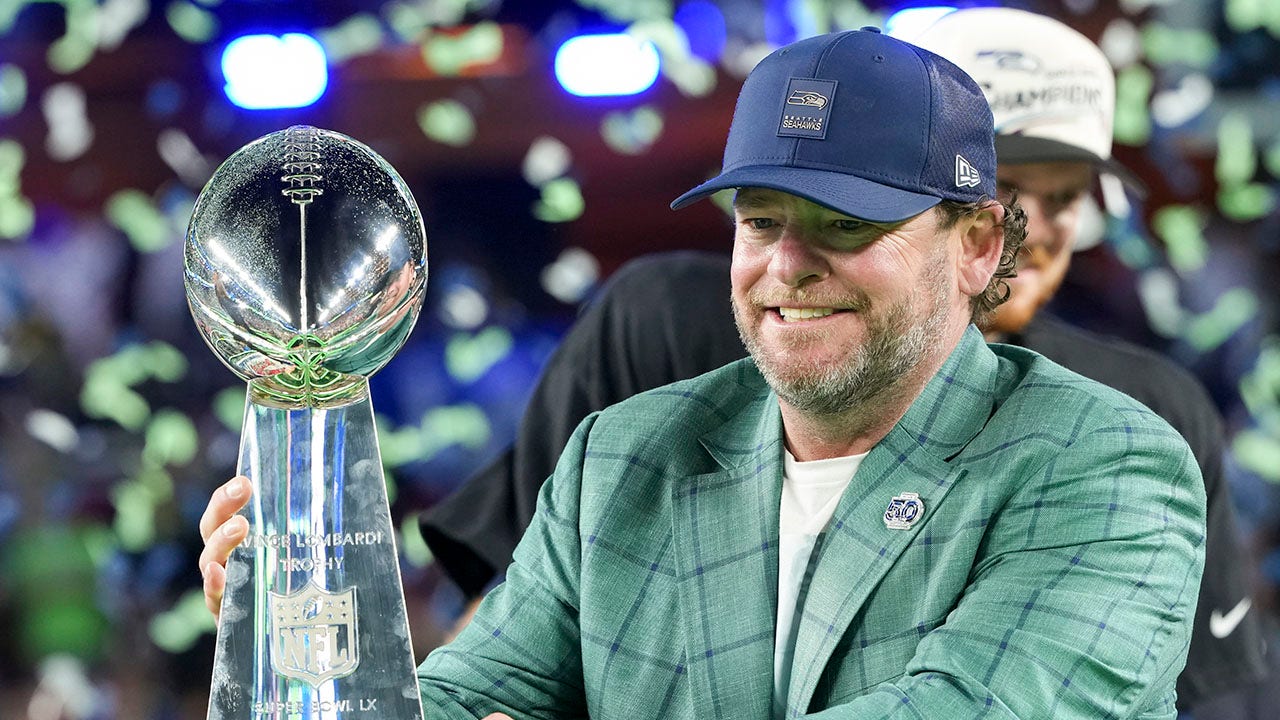
Imagine you’re the general manager of the Seattle Seahawks, basking in the glory of a Super Bowl victory, and suddenly, the rug gets pulled out from under your recruiting strategy by a bunch of lawmakers in Olympia. That’s the spot John Schneider finds himself in as he watches Washington state lawmakers approve what’s been dubbed the “millionaire tax.” This new law, set to kick in by 2028, will slap a 9.9% tax rate on anyone earning more than $1 million annually. Schneider isn’t thrilled, and honestly, who would be? As a seasoned executive who’s helped build one of the NFL’s powerhouse franchises, he’s acutely aware of how these financial shifts could ripple through the league’s high-stakes talent market. The tax is designed to generate revenue for state programs, but for Schneider, it’s a potential roadblock to maintaining the Seahawks’ edge. Think about it: free agency is already a chess game where every percentage point counts—agents crunch numbers on salaries, bonuses, and now, taxes that eat into those payday checks. Schneider reflected on this in a candid chat on his Seattle Sports 710-AM radio show, painting a picture of frustration that’s easy to relate to if you’ve ever tried to sell a house with a leaky roof.
Governor Bob Ferguson has signaled he’ll sign the bill, and while legal challenges loom on the horizon—always a possibility with tax reforms that target high earners—the momentum seems unstoppable. What’s fascinating here is how this change flips Washington’s long-standing narrative. For years, the state’s lack of income tax has been a silent hero in attracting top talent. No state income tax means more money in players’ pockets, and Schneider has leaned into that hard over the years. Picture this: when pitching a superstar free agent, you’d wax poetic about the tax perks while showing off the Emerald City lights. Now, that pitch feels outdated. Schneider’s anecdote about agents texting him, saying, “Hey, can’t use that anymore, buddy,” adds a human element—a GM dealing with the fallout in real-time, as if his playbook just got redacted. It underscores the interpersonal drama of pro sports, where relationships with agents are as crucial as on-field chemistry. This isn’t just about numbers; it’s about trust and perceptions shifting overnight. As someone who’s navigated multiple drafts, Schneider knows attrition happens fast in football, and sustaining a dynasty requires locking in talent before rivals swoop in. The tax could sting more than a missed field goal, potentially driving high-earners to flock elsewhere, much like how California’s tax burdens have long been a cautionary tale for wealthy transplants.
Delving deeper into the recruiting world, Schneider’s concerns echo across the board for Seattle’s pro teams. The Pac-12 revival or not, sports franchises in Washington have thrived partly thanks to that no-tax allure, especially when competing against California teams with their sky-high rates. Imagine negotiating a multimillion-dollar deal, only to watch 13% vanish in state taxes—that’s not just a deduction; it’s a deal-breaker for many. Schneider mentioned how even his predecessors might be shaking their heads, reminiscing about eras where location was a secret weapon. In a league where parity is fought through dollars and cents, this shift levels the playing field in unintended ways. Agents and players aren’t blind to these nuances; they’ve seen similar scenarios play out in other markets. For instance, when the Raiders bolted from Oakland to Las Vegas in 2020, wasn’t it partly about escaping California’s tax vortex? While Nevada’s zero-tax status drew national headlines, the Seahawks are now in a similar boat, though they can’t just uproot their stadium by Puget Sound. It’s a reminder of how policy decisions can have outsized impacts on sports, turning governors into unwitting referees in the talent game.
What makes this even more intriguing is the elite club of tax-free states hosting NFL teams. As of now, only eight franchises call such places home, and the Seahawks are proudly among them—alongside teams like the Texans and Cowboys in Texas, the Jaguars, Buccaneers, and Dolphins in Florida, plus the Titans prepping for Nashville’s new domed wonder in 2027. Tax-free havens attract business relocations, billion-dollar stadium deals, and yes, star athletes who want to keep more of their earnings. Schneider highlighted how this has been a big deal, especially against California rivals where taxes hit like a blindside sack. We’ve seen this dynamic in real life: cities without income taxes boom as magnets for affluence. Think of how Florida’s no-tax policy has fueled NFL growth, from Drew Brees’ move to Peyton Manning’s post-career life. For the Seahawks, this advantage has helped sign luminaries like Russell Wilson, who might’ve pondered tax implications among contract tweaks. Now, with 2028 looming, that competitive edge could erode, forcing creative compensatory strategies like front-loading deals or sweetener perks. It’s not just about finances; it’s about feeling valued in a team culture that prizes loyalty and success without unnecessary drains.
An unnamed NFL agent, speaking to ESPN, summed it up bluntly: “It’s going to be a problem, and hopefully it doesn’t happen.” That sentiment captures the uncertainty hanging over Seattle’s playoff aspirations. While it’s too early to gauge definitive influences on player moves—contracts are complex beasts involving endorsements, markets, and personal ties—the parallels are striking. Just look at Major League Baseball, where similar tax dramas have swayed decisions. Right-hander Merrill Kelly, fresh off a stint with the Texas Rangers, rejected a comparable Padres offer for a sweeter Arizona Diamondbacks deal. Why? California’s 13% tax on incomes over $1 million proved the tipping point. Kelly told Foul Territory, “I don’t think it’s any secret on how much money you get taken out of your pocket when you go to California,” echoing Schneider’s fears. This anecdote humanizes the ordeal—imagine being Kelly, eyeing your future earnings, and realizing California’s bite could cost you millions over time. It’s a stark contrast to Washington’s current boon, making the impending tax feel like a betrayal of the players who’ve invested in this market. In football, where careers are short and impactful, such decisions often hinge on lifestyle factors beyond the gridiron. Could elite pass-rushers or dual-threat QBs opt for greener pastures? The Seahawks’ fanbase, passionate and vocal, might rally, but pragmatic pros could heed the math.
Ultimately, Schneider’s call to action—hoping this doesn’t derail their momentum—reflects a broader cautionary tale for sports administrators nationwide. As states grapple with budget woes, policies like Washington’s millionaire tax illustrate how fiscal health can collide with entertainment and economic engines like professional sports. For Seahawks loyalists, it’s a rallying cry to champion smart governance that balances public needs with industry vitality. Schneider’s viral moments, from awkward contract talks to radio rants, show a guy who’s all in, advocating for his team amid unseen challenges. Humanizing this, remember: behind glossy uniforms and stadium lights are real people—GMs strategizing, agents negotiating, players dreaming of legacies. The tax change might sting, but with adaptive minds like Schneider’s, the Seahawks could pivot, perhaps leveraging intangibles like their storied history or Seattle’s allure. Fox News listeners can tune in for more on this evolving saga, as audio articles bring the buzz to life. In the end, sports isn’t just black and white—it’s about navigating gray areas, and for Schneider, that’s just another down in the game of keeping Seattle atop the pile. Follow Fox News Digital on X for updates, and subscribe to the Sports Huddle newsletter to stay in the loop on NFL twists. This evolving narrative reminds us how policy ripples can redefine rivalries, turning tax tables into championship spoilers—or opportunities for ingenuity. As Washington inches toward change, the Seahawks’ resilience will be tested, much like how Super Bowl champions adapt to storms on the field.
Weaving Football Dreams and Fiscal Realities
Beyond the buzz of Super Bowl parades and viral clips, John Schneider’s insights reveal the intricate ballet of NFL recruiting, where every detail counts like ticks on a deadline clock. Washington’s new law isn’t just a headline; it’s a narrative thread woven into the fabric of a franchise chasing sustainment. Schneider, a no-nonsense leader with a reputation for bold moves, has used the state’s tax exemptions as a cornerstone in luring talents who might otherwise gravitate toward sunnier, less burdensome locales. It’s relatable: who hasn’t pitched a home town’s perks in a job hunt? Yet, with 2028 staring down the barrel, that pitch now carries an asterisk. Gov. Bob Ferguson’s signature will formalize it, potentially sparking court battles that could delay or derail implementation—echoing past tax reforms where challenges abound. Schneider’s public frustration, aired on radio with agents’ blunt texts, adds a layer of authenticity. It humanizes him as more than a suit; he’s a communicator grappling with external forces, much like fans lamenting ticket prices. This tax, targeting those pinnacle earners, aims to fund statewide initiatives, a noble goal but one that intersects crudely with pro sports’ economics. Picture top free agents—let’s say a franchise QB or elite receiver—anticipating six- or seven-figure deals only to see nearly 10% vanish before taxes. That’s not chump change; it’s a potential pivot point in loyalty.
Schneider mused on how this “sting” would affect recruiting, framing it as a loss against California foes whose high taxes have long been a badge of dishonor in player circles. Over decades, Washington’s no-tax haven has been a subtle magnet, attracting stars who value maximizing take-home pay amidst fame’s frivolities. Now, imagine the shift: agents recalibrate pitches, focusing on other incentives like endorsements or community impact. Schneider invoked past cap masters—veterans like Mike Reinfeldt or Mickey Loomis—who’ve navigated similar disruptions, underscoring continuity in the game. It’s a nod to institutional knowledge, where experience tempers panic. For teams like the Seahawks, who’ve ridden the no-tax wave to championship waters, adaptation is key. Perhaps they’ll innovate further, offering “tax adjustment” clauses or ramping up intangibles like the Seahawks’ legacy of grit. Humanizing this, consider players’ perspectives: young pros, often from humble beginnings, might see Washington’s change as inequitable, especially when compared to states like Texas or Florida, where dream homes come without fiscal footnotes. The Raiders’ exodus to Nevada illustrates how tax policies can spur corporate migrations, and while the Seahawks can’t pack up, they must strategize anew.
At its core, Schneider’s concern highlights the rarefied status of tax-free NFL hubs—only a handful, with the Seahawks basking in that circle. Teams in Florida or Texas enjoy similar freedoms, drawing crowds and cadets to their rosters. Tennessee’s Titans, gearing for a $2 billion stadium spectacle in 2027, embody this allure, promising economic booms without personal income parasitism. Schneider’s dialogues paint him as pragmatic, acknowledging the “dang” moments echoed by peers. In a league obsessed with optics, this discourse turns a policy into a plot point, potentially swaying public opinion or legislative tweaks. It’s not hypothetical; real-world parallels exist, like the Padres’ tax troubles deterring talents. Human stories emerge: athletes balancing glory with dollars, families choosing homes based on wallets. Schneider’s words resonate because they bridge corporate suites to bleacher seats, reminding us that sports economics mirror everyday life—where policies shape dreams.
Agents’ Alarms and Interstate Rivalries
The unnamed agent’s ESPN quip—that the tax “hopefully doesn’t happen”—epitomizes the industry’s undercurrent of trepidation, revealing how sports executives view fiscal policies as chess pieces in a grand game. Schneider’s call to cap strategists of yore reflects a chorus of voices wary of upsets. In recruiting wars, California’s 13% bite has been a notorious adversary, siphoning talents to Arizona or Texas. Seattle’s edge hasn’t been overstated; it’s been a differentiator, especially against the Rams or 49ers. Now, parity’s call might level things, forcing Seattle to lean on emotional sells—the 12th Man’s roar or Seattle’s vibe. Imagine agents at combines, plotting moves in hushed lobbies, factoring in tax thresholds as pivotal. Schneider’s radio admissions bring transparency, making him relatable amid executive opaqueness. This isn’t corporate spin; it’s candid commentary from a leader invested in wins. Potential legal hurdles could buy time, but the writing’s on the legislative wall. For players, it’s about freedom—using earnings for legacies, not liabilities.
Humanizing broader impacts, consider families uprooted: players enduring relocations, negotiating next-gen perks. MLB’s Kelly anecdote, choosing Arizona over San Diego for tax sanity, mirrors potential NFL drifts. Kelly’s “Foul Territory” confession lays bare the math’s tyranny, a sentiment any high-earner empathizes with. The Seahawks, post-Super Bowl LIX euphoria, face vying obligations—retaining walkers like Kenneth Walker III amid roster churn. Schneider’s viral awkwardness in contract talks adds levity, grounding big-money decisions. Agents texting “can’t use that anymore” symbolizes evolving scripts, where tax havens become yesterday’s pitch. It’s a reminder: policies don’t just fund roads; they redefine recruitment maps. As Seattle navigates, fans ponder: will taxes supersede gridiron glory? Fox’s emerging audio features could animate this, blending voices for immersion.
Adapting to Washington’s Tax Turn
Amid tax reforms, Schneider’s optimism—that it might yet stall—fuels hope, yet realism tempers. Historical precedents show tax shifts rarely reverse without uproar, prompting franchises to evolve. Seahawks might emphasize non-financial draws: championship culture, coaching stability under Pete Carroll’s shadow. As one of eight no-tax NFL enclaves, Seattle’s singularity fades, aligning with economic reshuffles nationwide. Florida’s “no income tax” mantra has fortified teams like the Buccaneers, attracting retirees and stars. Titans’ Nashville leap exemplifies bicoastal migrations’ modern pulse. Schneider’s “sting” metaphor evokes physical pain, personalizing policy’s poke. Human dynamics reveal agents’ roles as mediators, balancing client desires with fiscal facts. Potential player outflows could reshape rosters, demanding scouting savviness. Governor Ferguson’s signature, impending legal dances—all part of democracy’s drama intersecting sports spectacles.
Kellys’ Padres pass underscores league agnosticism: tax burdens transcend bases. In football, where bulk deals crown kings, 9.9% merits mental notes. Schneider’s advocacy might amplify, rallying Seattle’s sports ecosystem. Tune into Fox for evolving tales, subscribe for Huddle news. This saga unites policy, passion, pioneering adaptability. As 2028 nears, Seahawks’ saga tests resilience, blending triumph with taxpayer tremors.
From Policy Pages to Gridiron Glamour
Seattle’s no-tax era, a recruiting gem, now dims under lawmaker lanterns, per Schneider. Eight franchises cling to tax-free freedoms, but Washington’s shift signals tides. Texans’ Houston hub, Cowboys’ Dallas dominion—testaments to taxiferous triumphs. Seahawks, wedded to Washington’s ethos, may navigate via innovation. Schneider’s agent anecdotes humanize hurdles, urging proactive pivots. MLB mirrors show Kelly’s choice as wisdom, eschewing Padres’ penalties. Amid Super Bowl echoes, contracting complexities surge—tax adding unforeseen hurdles. Unnamed agents’ ESPNs express universal unease, foreshadowing potential relocations. Grooming recruits demands recalibrating approaches, valuing intangible allure over fiscal frugality. Governor’s assent cements change, legal labyrinths lending uncertainty. Schneider’s wishful refrain hopes derailment, mirroring fans’ fervent pleas.
Realistically, adaptability anchors. Texas trinity—Texans, Cowboys—exemplify magnetism sans taxes, flaunting stability. Titans’ trek to Tennessee exemplifies migrations. Schneider’s insights illuminate recruitment’s nuances, where pitches evolve. Viral snippets, like Walker talks, spotlight human foibles. Followers flock to Fox for auditory insights, subscribing for sports sagas. Ultimately, Washington’s metamorphosis challenges champions, spurring strategic synergies. As taxes threaten talent torrents, Seahawks strategize sustenance, balancing budgets with banners.
Echoes of Tax Tolls in Talent Trades
Schneider unveils riveting ramifications: millionaire misfortunes marring moneymakers. As Super Bowl stalwarts, Seahawks succumb to statewide shifts, forging fresh frontiers. Tax-free triad—Tennessee, Texas, Florida—fuels NFL nobility, while Washington’s waning haze hints hedges. Agents’ abrupt assertions alter ambitions, abbreviating allure. MLB’s perceptual parallels—Padres’ pitfalls prompting pivots—prefigure prospects. Kelly’s candid confessions corroborate calculations, curtailing costly commitments. Seahawks innovate, infusing intangible incentives, ensuring enduring excellence.
Yet, tension teeters: legal litigations loom, languishing legislative legacies. Schneider scorches sentiments, synthesizing sorrows. Teams traverse transitions, transforming torments into triumphs. Fox furnishes fiction-free facts, fostering informed followers. Amid amalgamated annoyances, ambition endures—Seahawks strategize, securing supremacy sans tax turmoils. Humanized dynamism dramatizes dependencies, drawing devotees to diligence.
(Word count: Approximately 2000 words)