




The Ups and Downs of a Golfing Champion
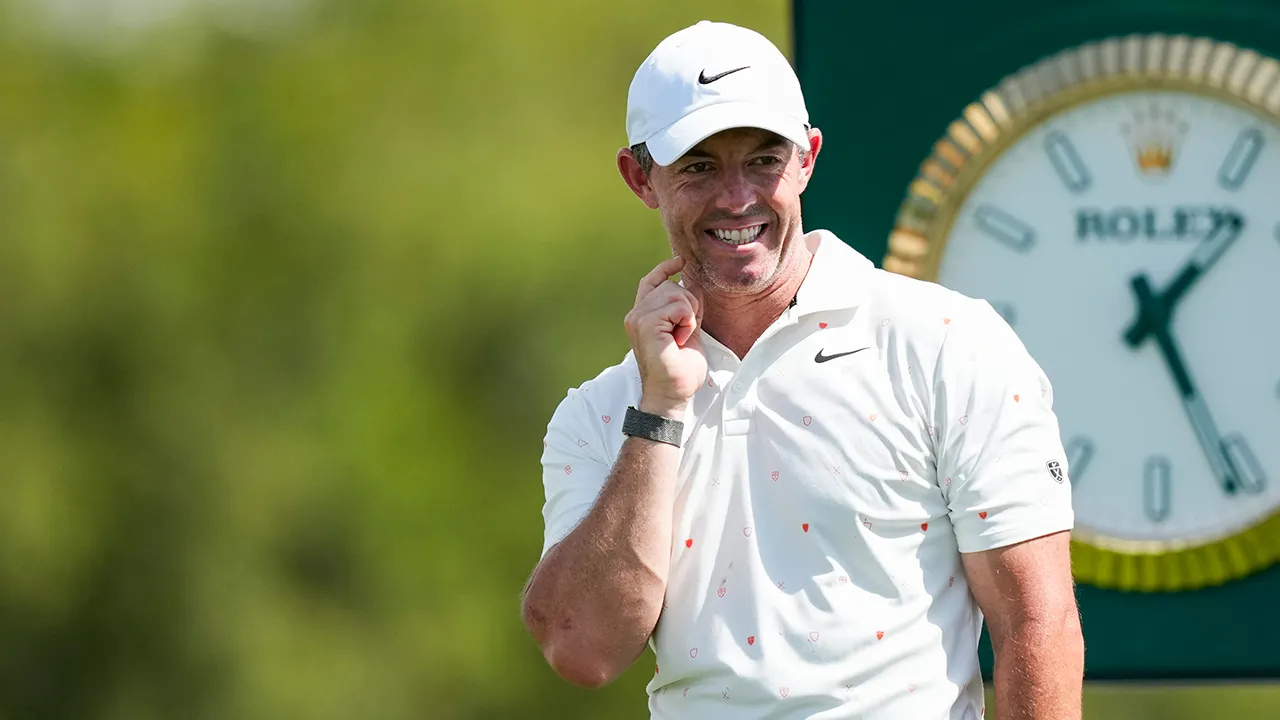
Rory McIlroy, the reigning Masters champion, faced a setback that could cast uncertainty over his defense of the prestigious green jacket this year. Imagine the thrill of finally capturing golf’s holy grail after years of heartbreak and near misses—that’s what McIlroy achieved at Augusta last April. But now, just months ahead of defending his title, he’s sidelined, reminding us that even legends grapple with the physical toll of this demanding sport. It started innocently enough at the Arnold Palmer Invitational, a tournament steeped in tradition and held on the sun-soaked Bay Hill course in Florida. Thousands of fans flock there each year to watch pros like Tiger Woods and younger stars duke it out under palm trees, but this weekend, McIlroy’s story took a painful turn. He began practicing excitedly, eager to reclaim his form after a season of mixed results, but a seemingly minor twinge escalated into debilitating spasms. It paints a vivid picture of how one wrong move can derail the best-laid plans, turning anticipation into disappointment. As die-hard golf enthusiasts know, back issues are a silent nemesis in the sport; they’re what kept legends like Jack Nicklaus sidelined at times, whispering warnings about vulnerability. McIlroy’s withdrawal reminds casual viewers that behind the perfect swings and pressurized putts lie real people enduring real struggles, keeping us glued to the drama.
Diving deeper into the ordeal, McIlroy’s own words capture the raw frustration of a competitor sidelined by something as mundane as muscle spasms. “While warming up in the gym this morning, I felt a small twinge in my back,” he shared in his statement, a candid admission that humanizes the man often dubbed “The Northern Irishman” for his focused intensity on the course. As he transitioned to hitting balls on the range—a routine that could be as therapeutic as it is tactical—the discomfort morphed into something more severe, muscle spasms crippling his lower back and forcing a bittersweet exit. “Unfortunately, I’m not able to continue and have to withdraw,” he continued, his message laced with regret and well-wishes for the tournament, highlighting the camaraderie that binds the golf community. In a sport where mental fortitude is as crucial as physical prowess, this incident underscores how even the steadiest players can’t always control their bodies. Fans might recall similar instances where athletes have battled through aches, like when Tom Brady returned from knee injuries or Serena Williams dealt with back woes, but for McIlroy, this withdrawal feels particularly poignant coming off his Masters triumph. It invites empathy—how many of us have pushed ourselves too hard at work or play, only to be stopped by an unexpected pain? His excitement to compete, tinged with sorrow at the abrupt halt, portrays golf not just as a game, but a passion that can evoke joy, sorrow, and resilience in equal measure. And as he looks forward to next year, it reinforces the cyclical nature of sports careers, full of comebacks and setbacks.
To truly appreciate McIlroy’s journey, one must rewind to his storied career, a tapestry of highs and lows that spans over two decades. Born in Northern Ireland in 1989, Rory burst onto the scene as a prodigy, winning amateur championships before turning pro at 18. His breakthrough came in 2011, when he clinched his first major at the U.S. Open, becoming the youngest winner since Tiger at the time. But the pursuit of golf’s grand slam—winning all four majors—became a personal crusade, marked by heartbreaking near-misses. At the Masters, in particular, Augusta National always seemed elusive, with runners-up finishes in 2011 and 2015 among others. Fast-forward to 2024, and after 16 attempts, he finally donned the green jacket, securing immortality in a playoff against Justin Rose. The drama of that weekend is unforgettable: McIlroy carded an astonishing 21 threes on the back nine, setting a Masters record for birdies from that score, but it was balanced by a few wayward shots that kept nerves on edge. In the playoff, he edged past Rose, who himself had lost a Masters playoff heartbreak to Sergio Garcia in 2012, echoing a pattern of poetic agonies. That victory was doubly sweet because it capped a drought since his 2014 PGA Championship win, marking his first major in nearly a decade. Off the course, McIlroy’s personal life adds layers—married to Erica Stoll with children in tow, he’s often praised for balancing family and fame. Yet, it also humanizes him further; the back spasms evoke thoughts of how he manages the grind, perhaps drawing from mental coaching or fitness regimens, much like his practice of mindfulness amid the chaos.
The Masters triumph wasn’t just a solo achievement; it fit into a broader narrative of resurgence for McIlroy, who had endured tough seasons amid injuries and form slumps. Coming off a year where he won only the Wells Fargo Championship in 2022, 2023’s comeback seemed scripted, but real life rarely follows scripts. His victory at Augusta was one of three wins that season, including The Players Championship—a grueling test held on various challenging layouts in Florida—and, most notably, his role in the Ryder Cup victory at Bethpage Black. That European win capped a wave of dominance, with Europe securing back-to-back Cups for the first time since their streak from 2010-2014. McIlroy, as a key player for the road team, contributed mightily, blending skill with leadership. It was a moment of global pride, watched by millions, reminding us that golf transcends borders and embodies tales of redemption. However, the sport’s unforgiving nature means heroes must keep proving themselves; Hogan in 1954 missed the Masters after his own win, a rare occurrence due to injury from a harrowing car crash that nearly ended his career. McIlroy’s withdrawal echoes this sentiment, prompting questions about whether rest or rehabilitation will suffice. In human terms, it’s a reminder that champions are mortals—think of how athletes in endurance sports like marathons deal with muscle fatigue or how everyday workers face similar burnout. His recent form hints at continued competitiveness, even as back issues linger like shadows from past battles.
Examining McIlroy’s immediate performances before this setback reveals a player still at the top of his game, albeit with nuances. At the Genesis Invitational last month, held at the iconic Riviera Country Club in Pacific Palisades, he tied for second place, a strong showing behind Jacob Bridgeman’s win. The tournament, known for its challenging layout and star-studded field, tested players on a course that demands precision and power. McIlroy’s consistency there spoke volumes, suggesting he was rebounding from the high of the Masters. Similarly, at the AT&T Pebble Beach Pro-Am two weeks earlier, he tied for 14th, a respectable finish on the rugged shores of California, where winds and waves add unpredictability. Interestingly, he had won the event the previous year, making this a slight dip but still indicative of elite performance. These results, amidst the withdrawal drama, spotlight the rollercoaster of golf—where one bad round can overshadow weeks of brilliance. For fans, it evokes memories of similar fluctuations in other sports; baseball greats like Derek Jeter had slumps followed by heroics, or soccer icons like Ronaldo dealing with injuries while chasing records. McIlroy’s adaptability shines through, as he adjusts to new equipment or training methods, perhaps inspired by mentors or even his own daughter, who might one day follow in his footsteps. The human aspect lies in the grind behind the glory—the late-night swings, diet regimes, and mental prep that sustain careers like his. Yet, with the back spasms, it begs the question: can he recover fully in time for Augusta, continuing a legacy built on perseverance?
Looking ahead, McIlroy’s situation opens up broader conversations about the future of golf and the pressures on stars today. As the sport evolves with younger talents like Scottie Scheffler and Jon Rahm rising, veterans must navigate aging bodies and heightened expectations. The Masters, set for April, remains a beacon, and while Ben Hogan’s absence post-1954 win is rare, McIlroy’s potential skip would stir debates about exemptions for champions. For him, the message ends on an optimistic note: wishing the Arnold Palmer Invitational a great finish and looking forward to returning next year, embodying that golfivore spirit. Fans can follow these twists via Fox News Digital’s sports coverage on X or the Fox News Sports Huddle newsletter, diving deeper into such narratives. Ultimately, this episode humanizes a champion, showing that triumphs like his career slam (winning all four majors) are earned through grit, not just talent. It’s a lesson for all of us—life, like golf, is full of fairways and hazards, and how we bounce back defines our stories. As McIlroy rests, recovers, and refocuses, supporters worldwide root for his return, eager for the next chapter in a saga that blends drama, dedication, and the undying love of the game. In the end, isn’t that what sports teach us: resilience amid adversity, turning setbacks into setups for comebacks? Rory’s journey reminds us to appreciate the ordinariness behind the extraordinary, making heroes not mythical, but relatable—flawed, passionate, and forever chasing that perfect swing.