





Troy Aikman’s Thoughts on Modern College Football
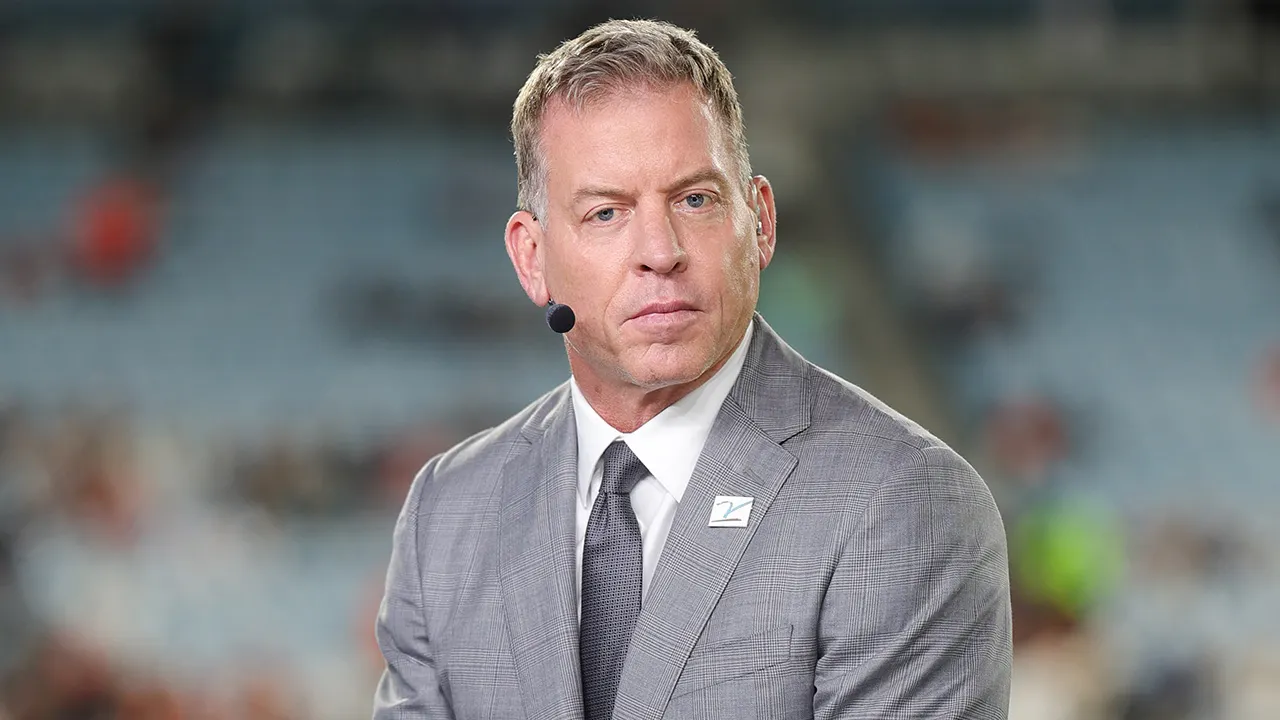
In a recent interview with The Athletic, NFL Hall of Famer Troy Aikman shared his candid observations about the current state of college football, particularly focusing on the impact of the transfer portal and NIL (Name, Image, Likeness) opportunities. As a member of the “Monday Night Football” broadcast team and a respected voice in the football community, Aikman’s perspective offers valuable insight into the challenges facing collegiate athletics today. His commentary reflects both his personal experience as a former transfer student-athlete and his current role observing the sport’s evolution from the broadcast booth.
Aikman didn’t mince words when describing the current college football landscape, referring to it as the “Wild West” – a sentiment echoed by many observers of the sport. “College football has become the Wild West, as everybody knows,” Aikman stated, explaining that particularly since the introduction of NIL, there have been “no guardrails” to regulate the system. His position on the National Football Foundation Board has given him direct access to commissioners, athletic directors, and other key figures in college athletics who have expressed similar concerns. Aikman emphasized the urgent need for regulation: “It’s gotta get cleaned up, first and foremost.” This characterization reflects the chaotic environment that has emerged as players, coaches, and institutions navigate this new era without clear guidelines.
Drawing from his own experience transferring from Oklahoma to UCLA during his college career, Aikman expressed support for player mobility while also calling for greater accountability. “I’ve always felt that if a coach is able to pick up and leave, that a player should have the same opportunity if a coach leaves,” he said, acknowledging the fundamental fairness in allowing players similar freedom to that enjoyed by coaches. However, he noted a significant shift in the current era: “What’s happened obviously over the years since I got out of college football is that, in recent years with NIL, there’s been no accountability on the players.” The former quarterback pointed out that while transfers were once primarily triggered by coaching changes and required players to sit out a year, today’s environment allows players to “up and go regardless of whether or not they’ve been paid,” creating what he described as an “every man for himself” mentality in collegiate sports.
Addressing the high-profile case of Lane Kiffin’s departure from Ole Miss for LSU, Aikman offered a nuanced perspective on coaching moves in today’s college football environment. Without claiming to know Kiffin’s specific motivations, Aikman suggested several possibilities: “Is it his thoughts that it’s a better opportunity for him at LSU? Possibly. Is it money? Possibly. Is it lifestyle? Possibly.” Despite understanding the disappointment and frustration felt by the Ole Miss community, Aikman defended Kiffin’s right to make career decisions: “Whatever his motivation is, he feels like LSU is the right place for him. So, I don’t fault him for that at all.” This balanced view acknowledges both the institutional investment in coaches and the professional reality that coaches, like most professionals, make career moves based on personal and professional considerations.
Aikman’s call for leadership and accountability was perhaps the most pointed aspect of his commentary, particularly regarding NIL arrangements. “Where I’m at is I think there’s gotta be some leadership at the very top that kind of cleans all of this up,” he stated, advocating for a system that requires greater commitment from players who accept financial support. To illustrate his point, Aikman shared a personal experience: “I gave money to a kid… I wrote a sizable check, and he went to another school. I didn’t even get so much as a thank-you note.” This anecdote underscores his concern about the lack of reciprocal commitment in the current system, suggesting that without accountability measures, the relationship between supporters and student-athletes risks becoming purely transactional rather than mutually beneficial.
As college football continues to evolve in this new era of player empowerment and financial opportunity, Aikman’s commentary highlights the tension between player rights and institutional stability. His perspective is particularly valuable given his experience as both a former player who benefited from the ability to transfer and as a current observer with connections to the administrative side of college athletics. While Aikman clearly supports player mobility in principle, his concerns about the current “Wild West” environment reflect a broader worry about the sustainability of college football’s ecosystem without clearer guidelines and expectations. As he prepares to call more NFL games from the broadcast booth, including an upcoming Week 15 matchup between the Pittsburgh Steelers and Miami Dolphins, Aikman’s thoughts on collegiate athletics serve as a reminder of the complex challenges facing the sport at all levels.