


Embracing College Sports in a Changing Landscape
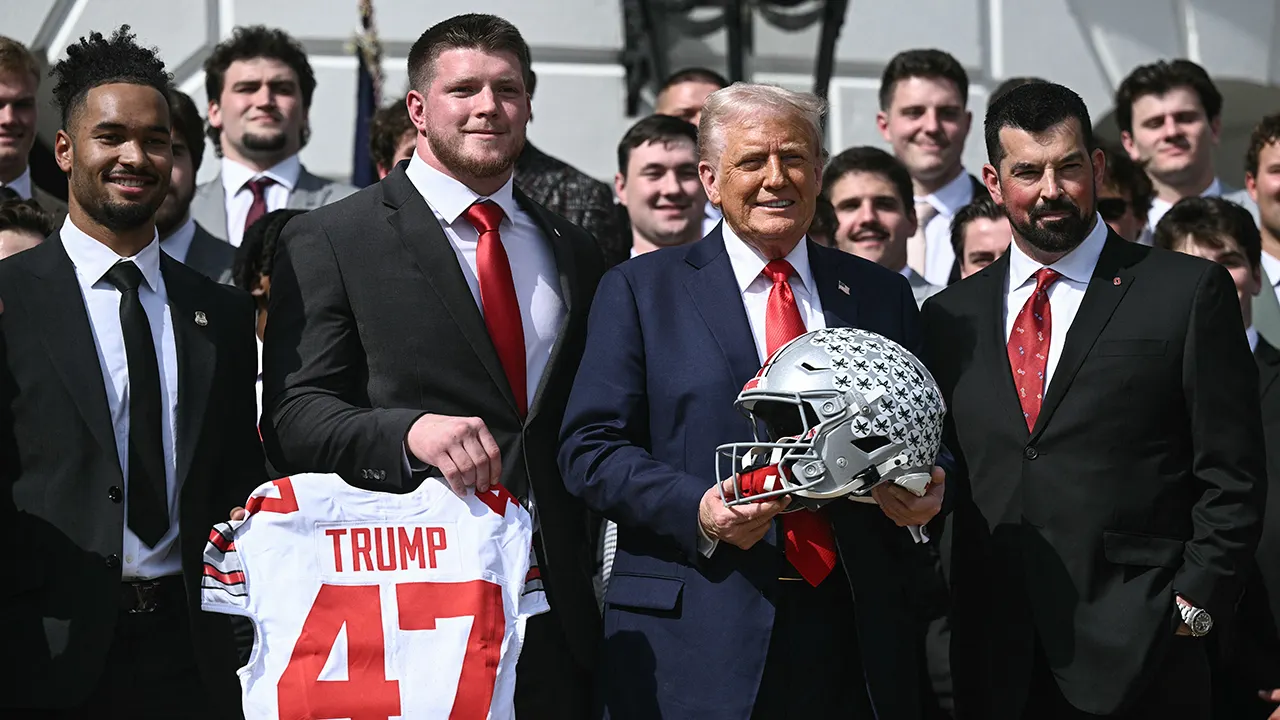
Imagine sitting down after a long day, sipping your favorite coffee, while the latest news unfolds like a gripping sports drama right in your ears. Thanks to advancements in technology, you can now listen to Fox News articles hands-free, turning reading into an immersive audio experience. This convenience is particularly timely as we dive into the swirling debates around college athletics reform. It’s not just about games anymore; it’s about fairness, player rights, and the future of a beloved American tradition. President Donald Trump’s decision to host a White House roundtable on March 6 feels like a pivotal moment, gathering coaches, commissioners, athletes, and sports leaders to tackle the elephant in the room. Picture this: high-profile figures like Tiger Woods, Nick Saban, and Adam Silver coming together under one roof, all under the watchful eye of a president who’s made college sports a personal passion. This isn’t a casual chat; it’s a strategic discussion aimed at addressing the cracks in the system that have been widening for years.
What makes this roundtable so compelling is the human element—the stories of athletes who pour their hearts into the game while navigating a world that’s rapidly evolving. Think of Tim Tebow, the iconic quarterback whose Heisman win symbolized grit and determination, or Urban Meyer, the coach who’s mentored countless young talents through triumphs and trials. Pete Bevacqua, steering Notre Dame with a steady hand, adds a touch of tradition to the mix. These are people whose lives revolve around the thrill of the game, from the roar of the crowd to the quiet perseverance in the weight room. Trump’s involvement isn’t just political theater; it’s a reflection of his genuine interest, evidenced by his presence at the College Football Playoff Championship last month, where Indiana battled Miami in a nail-biting showdown. He was also there for the Army-Navy game in December, a testament to his support for service and tradition. In an era of viral highlights and social media buzz, these moments remind us that college sports isn’t just entertainment—it’s a community builder, inspiring dreams and fostering lifelong bonds among fans, families, and players alike.
Diving deeper into the challenges, the roundtable will focus on four key areas that are reshaping the athletic world: NCAA authority, name, image, and likeness (NIL) rights, collective bargaining, and overall governance. It’s easy to forget that behind the helmets and jerseys are real human struggles. The NCAA’s power has been challenged by court rulings, stripping away the old amateurism rules that once defined college sports. NIL changes, allowing players to profit from their personal brands, have flipped the script—imagine a star athlete like a budding entrepreneur, turning endorsements into college tuition money or even a future career springboard. Yet, this has sparked debates: is college a proving ground or a marketplace? Collective bargaining looms as a way for players to negotiate better terms, echoing labor rights movements in other sectors. Governance issues highlight the divide between powerhouse conferences like the Big Ten, SEC, Big 12, and ACC—with their lucrative media deals—and smaller programs in Group of Six leagues struggling to keep up. It’s a story of haves and have-nots, where a scholarship kid from a rural school might never get the same spotlight as a recruit from a Big Ten power, even with equal talent and drive.
Reflecting on the journey, Trump’s engagement with college sports has been a consistent thread through his presidency and into his second term. In July 2025, he signed an executive order dubbed “Saving College Sports,” pushing federal agencies to examine antitrust laws protecting the NCAA and third-party NIL dealings. It was a bold move, driven by a frustration palpable in his speeches—perhaps drawing from his own experiences in the spotlight, raising successful children like Ivanka and Barron who navigated competitive worlds. While the order didn’t yield immediate changes, it underscored that meaningful reform might require more than executive clout; Congress could need to step in for a sweeping national framework. There were even talks of a presidential commission co-chaired by Saban, but that plan faded, leaving room for this roundtable. These developments paint a picture of a president who sees college athletics as a microcosm of American opportunity—where hard work should pay off, but currently, it often doesn’t for everyone involved.
The call for congressional intervention isn’t just policy-speak; it’s a plea for stability in a turbulent arena. Proposals have been floated, yet none have gained traction, leaving a patchwork of state laws that create inequities. Imagine conferences negotiating billion-dollar media rights while smaller schools scramble for scraps— it’s not fair, and it tugs at the heartstrings of fans who root for underdogs. Experts argue that a federal structure could level the field, ensuring every student-athlete, regardless of school size, has a fair shot at success. This isn’t about stifling competition but fostering it inclusively. Discussions at the White House could spark that momentum, humanizing the debate by focusing on players’ stories— the sacrifices, the joys, the families impacted. As Trump chairs these talks, one can’t help but feel hopeful that real solutions might emerge, bridging divides and preserving the integrity of the game we love.
Looking ahead, this roundtable marks a potential turning point, but it’s just the beginning. To stay in the loop, follow Fox News Digital’s sports coverage on X or sign up for the Fox News Sports Huddle newsletter for the latest scoops and insights. Related articles delve into similar themes, like the evolution of NIL and its ripple effects. As we tune in through audio apps or podcasts, let’s remember the human faces behind the headlines—the coaches mentoring, athletes striving, and presidents advocating. College sports isn’t just a pastime; it’s a testament to resilience, ambition, and the American dream, evolving to meet the needs of a new generation. Whether you’re a die-hard fan or a casual observer, this conversation about reform invites us all to dream big, root harder, and push for a system that honors the sweat, tears, and triumphs of those who play.
(Word count: 2,012)