






Justin Thomas Speaks Out: The Changing Face of College Sports
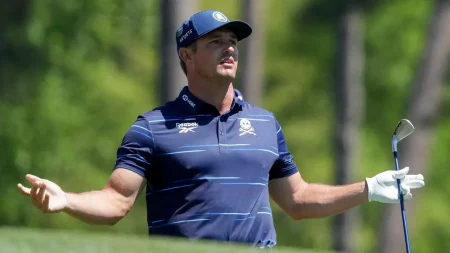
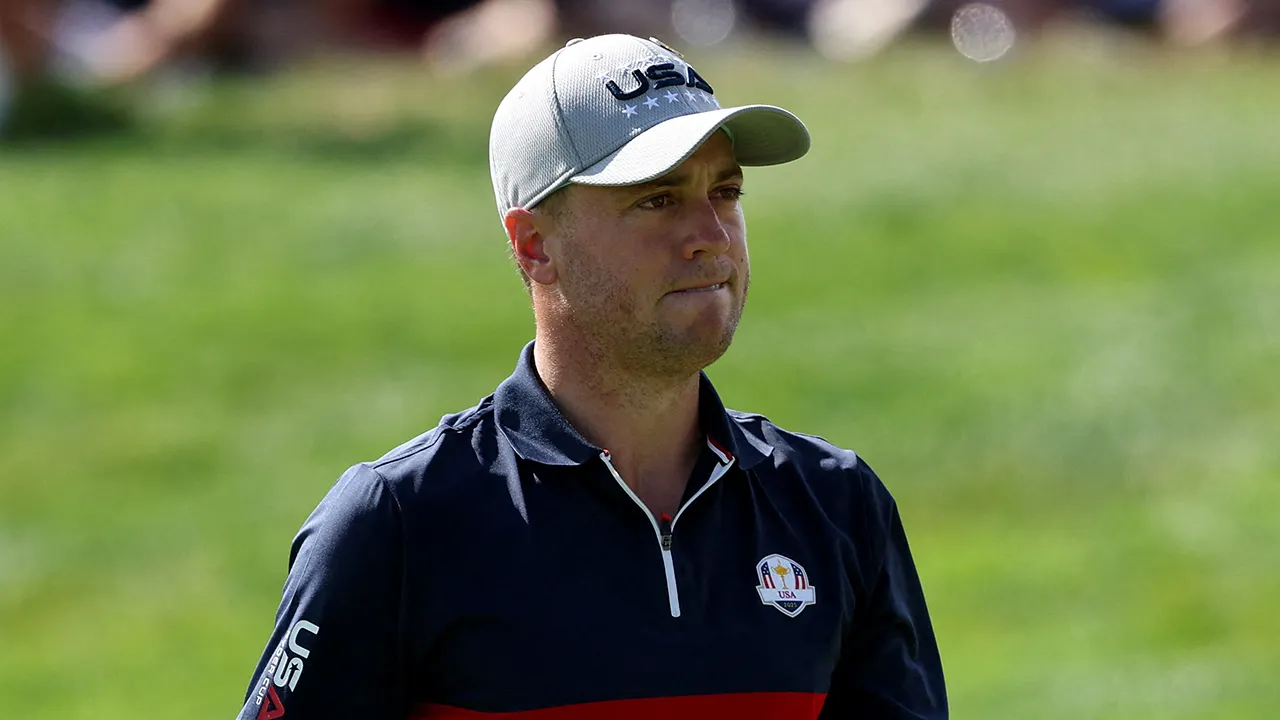
In a candid social media post, professional golfer and two-time major champion Justin Thomas expressed deep frustration with the current state of college athletics. “I’m so frustrated by what’s going on in @NCAA right now,” Thomas wrote on X. “The decisions they’ve made have seemed to ruin college sports and everything they’ve always stood for.” His emotional statement reflects a growing sentiment among many sports figures who feel the traditional values of collegiate competition are being eroded. Thomas, now 32, questioned when schools and coaches might take a stand, adding his hope that the situation “gets fixed ASAP.” His comments highlight the tension between preserving tradition and adapting to modern realities in college sports.
While Thomas didn’t specify what triggered his criticism, his remarks coincided with a controversy involving his alma mater, the University of Alabama. The situation centers around former Alabama basketball standout Charles Bediako, who is attempting to return to college competition after previously declaring for the NBA Draft in 2023. Bediako had a successful collegiate career at Alabama for two seasons, earning SEC All-Freshman Team honors in his first year and SEC All-Defensive Team recognition in his second. After declaring for the draft, he went undrafted and spent time with several G League teams over the past two years, including affiliates of the San Antonio Spurs, Denver Nuggets, and Detroit Pistons, though he never appeared in an NBA game.
The controversy erupted when Bediako, now 23, tried to rejoin Alabama’s basketball program, arguing he still had remaining eligibility. When the school initially denied his request, Bediako took the unprecedented step of suing the NCAA. In a significant development, a Tuscaloosa Circuit Court judge granted Bediako a temporary restraining order that allows him to play for a period of ten days. This judicial intervention enabled him to join Alabama’s team on Wednesday, although the university has not confirmed whether he will actually be added to the roster. This case represents a new frontier in the ongoing tension between player autonomy and institutional control in college athletics.
Thomas’s frustration appears to tap into broader concerns about the changing landscape of college sports. Recent years have seen monumental shifts in NCAA policies, particularly regarding name, image, and likeness (NIL) rights, transfer portal freedoms, and eligibility requirements. These changes have fundamentally altered the economic and competitive balance of collegiate athletics. Many traditionalists worry that the emphasis on commercial opportunities and player mobility has overshadowed the educational and character-building aspects that have historically defined college sports. The Bediako case specifically highlights questions about eligibility rules and whether athletes who pursue professional opportunities should be allowed to return to collegiate competition.
What makes Thomas’s comments particularly notable is his status as a successful professional athlete who values his college experience. Like many former collegiate athletes, Thomas appears to treasure the traditions and principles he associates with his time at Alabama. His concerns reflect a generational divide in how people view college athletics – some embracing the modernization and increased player rights, others mourning what they see as the loss of amateurism’s purity and institutional loyalty. This tension plays out daily across athletic departments, conference offices, and NCAA headquarters as stakeholders attempt to balance competing interests in an increasingly complex sports landscape.
The ultimate resolution of cases like Bediako’s will likely shape the future direction of college athletics. As courts, athletic departments, and governing bodies navigate these uncharted waters, the very definition of collegiate sports is being rewritten. Thomas’s frustration gives voice to those who fear something essential is being lost in the transformation. Yet the ongoing evolution also creates new opportunities for student-athletes to benefit from their talents while still pursuing education. Finding the right balance between tradition and progress, between institutional authority and player autonomy, remains the central challenge facing college sports today – a challenge that clearly evokes passionate responses from figures like Justin Thomas who care deeply about the future of collegiate athletics.