



The Clash of Golf Loyalties: A Legendary Figure’s Harsh Critique
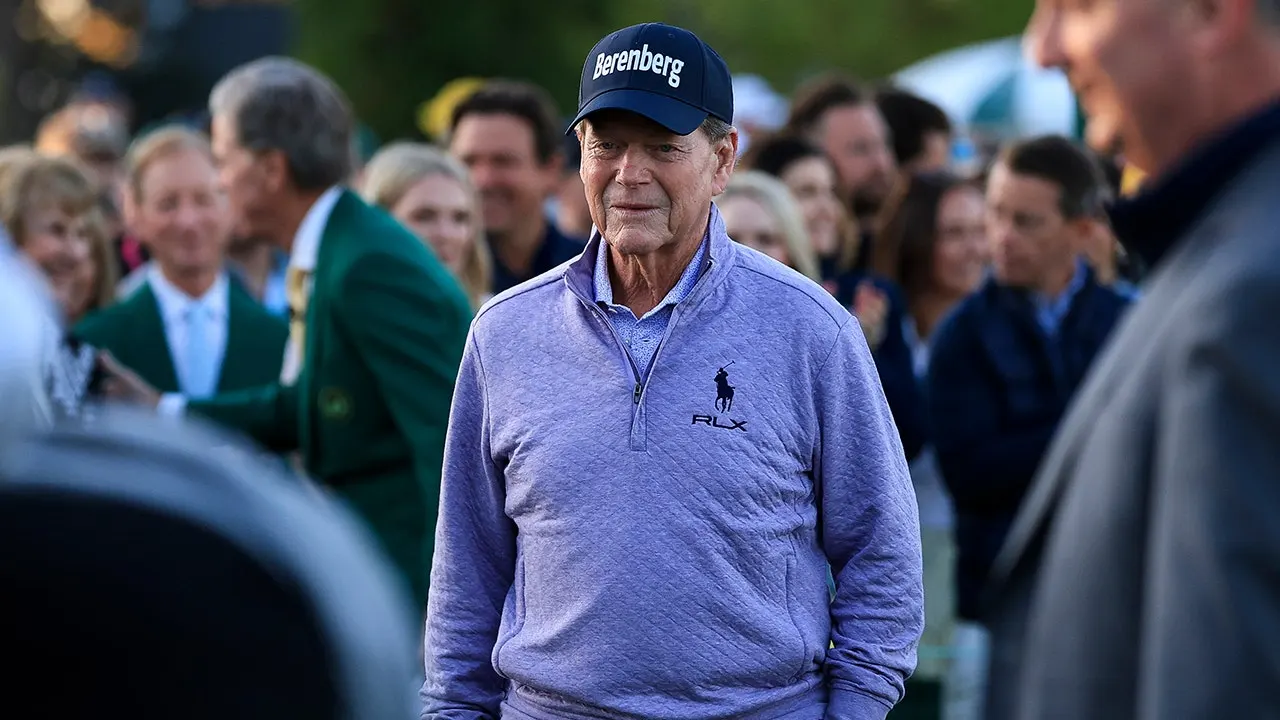
In the ever-evolving world of professional golf, where sponsorship dollars clash with human ambition, the return of star player Brooks Koepka to the PGA Tour has sparked a firestorm unlike any other. Imagine this: a sport that prides itself on tradition, honor, and the thrill of fair competition, suddenly grappling with defectors tempted by bigger paychecks from a rival league backed by Middle Eastern wealth. Legendary golfer Tom Watson, a man whose name evokes memories of epic Masters victories and stirring duels on pristine greens, didn’t mince words. At the 90th Masters tournament, during a ceremonial tee-off that felt more like a reunion of golf’s icons, Watson lambasted the PGA Tour’s new program that fast-tracked Koepka’s reinstatement. Koepka, a three-time PGA Championship winner who had bolted to LIV Golf—a circuit promising obscene riches and fewer rules—only to flee back with a year’s contract still dangling. It was a move that reeked of opportunism, Watson argued, painting the PGA Tour as flip-flop pursuing shortcuts. Watson, with his signature raspy voice and piercing gaze, stood there on that misty morning in Augusta, Georgia, not just as a commentator but as a guardian of golf’s soul. He recalled how the tour had once vowed to punish those who abandoned ship, but now it seemed willing to forget and forgive for the right price. For fans and fellow pros alike, it raised questions: Is golf a business or a brotherhood? Watson’s bluntness cut through the politeness, reminding us that beneath the glamour, golf is about loyalty to the game, the sponsors who fuel it, and the integrity that keeps it alive.
As Watson dug deeper, his words echoed with the frustration of someone who’s seen too many promises broken. He believed the LIV exodus was a betrayal of the core principles that hold everything together—the unwritten rules that ensure tournaments run smoothly without players cherry-picking gigs. “They thought the compensation was good enough,” Watson scoffed, referring to Koepka’s reported deal that valued his equity stake and penalties at a staggering $85 million over five years, plus $5 million in charity pledges. But Watson wasn’t buying it. In his mind, the proper penance should be steeper, almost like a golfing purgatory. Picture a player, fresh from LIV’s lavish suites and private jets, forced to grind it out on the minor leagues—the Korn Ferry Tour—earning their stripes anew. Watson painted a vivid picture: one year of hustling for spots, playing in lesser-known events under the scorching sun or pouring rain, just like he did in his youth. It was a way to rebuild respect, to prove that the PGA Tour wasn’t just a revolving door for wealthy mercenaries. Watson’s eyes, behind those classic glasses, seemed to plead with the audience: don’t cheapen the game we’ve all fought for. His suggestion wasn’t just policy; it was a philosophy, a reminder that true athletes endure hardships to earn their glory. For many, Watson’s stance resonated, evoking a sense of old-school toughness in an era where everyone wants the easy comeback. Yet, for others, it felt out of touch, ignoring the real-world pressures of family and finances that drive pros like Koepka. Watson himself, at 74, embodied that grit, having clenched eight major titles through sheer willpower and strategic brilliance, refusing to fade into irrelevance.
Brooks Koepka, the man at the center of this drama, decided to break his silence with a heartfelt post on social media, and it read like a redemption story penned by a guy who’s grown wiser over time. “When I was a child, I always dreamed about competing on the PGA Tour,” he wrote, capturing that nostalgic pull of the dream we all chase. Now, as a father closer to home in Florida, he was swinging back for reasons that went beyond dollar signs—family time, the stability of a storied circuit, and a belief in the PGA Tour’s fresh start under new bosses like Arvind Krishna and Jane Minarik. With investors pumping in serious funding and an equity program giving players a real stake in the game’s future, Koepka saw a brighter horizon. But it came with strings: hefty financial penalties, charity commitments, and the grind of qualifying back into the majors. Koepka admitted that openly, embracing the cost like a paternity test for his loyalty. Imagine the internal tug-of-war—a multimillionaire offering millions back to the tour and society, proving he’s not just in it for the loot. Fans admired his honesty, seeing someone willing to sacrifice now for long-term gains, but critics wondered if it was enough. Koepka’s journey mirrored the American dream, escaping straight roads for greener pastures only to appreciate the original path. His post, shared widely, sparked debates in living rooms and locker rooms, with some praising his courage and others dismissing it as wealthy regret. Koepka, at his prime, represented the access that LIV sold, yet here he was, renouncing it for something more meaningful, making his story a human one of reevaluation and return.
The ripples of Koepka’s choice spread to his former LIV comrades, turning fellow pros into a chorus of mixed emotions that highlighted the divided soul of golf’s elite. Hideki Matsuyama, Japan’s golf darling who turned down a lucrative LIV deal, expressed sheer shock and disappointment, telling a Japanese outlet it felt like the tour hadn’t looped them in. Cameron Smith, another LIV holdout, kept mum but reportedly felt conflicted, as did Wyndham Clark. Imagine the camaraderie shattered—golfers who’d battled side by side now watching one slip back, potentially gaining an edge. Matsuyama’s words painted a portrait of surprise, like finding an old friend eating at a rival restaurant. For these players, Koepka’s move wasn’t just pragmatic; it was a breach of the silent pact among defectors. They questioned if the PGA Tour’s equity offer was fair, dangling ownership stakes that could reap fortunes down the line—Koepka locked in for five years, aiming for set aside some of the $85 million penalty as a share in the tour’s growth. Yet, standouts like Bryson DeChambeau and Jon Rahm rejected it outright, choosing LIV’s $875 million guarantees over uncertain equity. It created a human drama of envy and doubt, with Koepka’s return forcing others to confront their choices. Was it disloyalty, or smart business? Matsuyama’s reaction humanized the pain, reminding us that beyond the scores and sponsorships, genuine relationships drive the sport. Golf, after all, thrives on bonds forged in sweat and celebration, and Koepka’s exit from LIV felt like breaking ranks in an uneasy alliance.
Tom Watson, drawing from a career built on unwavering principles, tied it all back to the unsung heroes: the sponsors. He reminisced about the days when players respected the tour’s rules, seeking permission to play elsewhere to protect the events that keep the lights on. LIV’s arrival, Watson argued, was a full-frontal assault on that, luring stars with no-strings checks that hurt the sponsors who bankroll the show. “Sponsors need players. They need the names to promote their tournaments,” Watson explained, his voice steady with the conviction of experience. He saw it as a violation of golf’s unwritten Code of Honor—the playbook that ensures the game doesn’t implode under greed. Watson painted scenarios where players hopscotch between circuits, leaving sponsors high and dry, their ads futile without big names. For him, the LIV defection was “over” when they chose cash over loyalty, and returning should carry scars. This wasn’t just about money, Watson insisted; it was about preserving the magic that draws fans in droves. Audiences tuned in for rivalries, not mercenaries, and without protected sponsors, the whole ecosystem could crumble. Watson’s critique felt like a warning from history, echoing his own path from modest beginnings to hall-of-fame status. In a sport where integrity matters as much as strokes, Watson’s words challenged everyone to think beyond the bank account, urging a revival of the values that made golf timeless.
Finally, reflecting on Watson’s own journey, it’s hard not to admire the man’s unyielding passion for the game he loves. Joining the PGA Tour in 1971, Watson soared through the ranks, clinching 15 majors including two Masters crowns, becoming a symbol of perseverance and precision. His last competitive swing was at the 2019 Senior Open, but his legacy endures, honored annually at Augusta for his ceremonial drives. Watson’s criticism wasn’t fueled by bitterness but by a deep-seated belief that golf’s essence must endure. As an honorary starter, he embodied continuity, reminding us that every generation must guard the sport’s heart. Koepka’s return, while controversial, opened doors for dialogue, pushing the PGA Tour toward transparency and equity. Watson’s prescription—a year on the Korn Ferry Tour—might seem harsh, but it echoes the rigor that built champions. In the end, golf thrives on stories of redemption and resolve, and Watson’s voice ensures they remain authentic. As the Masters unfolds each year, with Watson on the tee, we see the human side: not just a sport, but a tapestry of dreams, decisions, and the timeless quest for what’s right. Through it all, players like Koepka and watchdogs like Watson keep the narrative alive, weaving a tale of loyalty in a world obsessed with winnings. Jill Wagner’s coverage keeps fans informed, but it’s figures like Watson who infuse the game with soul. In golf’s grand theater, every shot matters, and every return sparks debate, humanizing a sport that’s as much about the heart as the scorecard.