


The Heart-Pounding Drama of the Ivy League Tournament Final
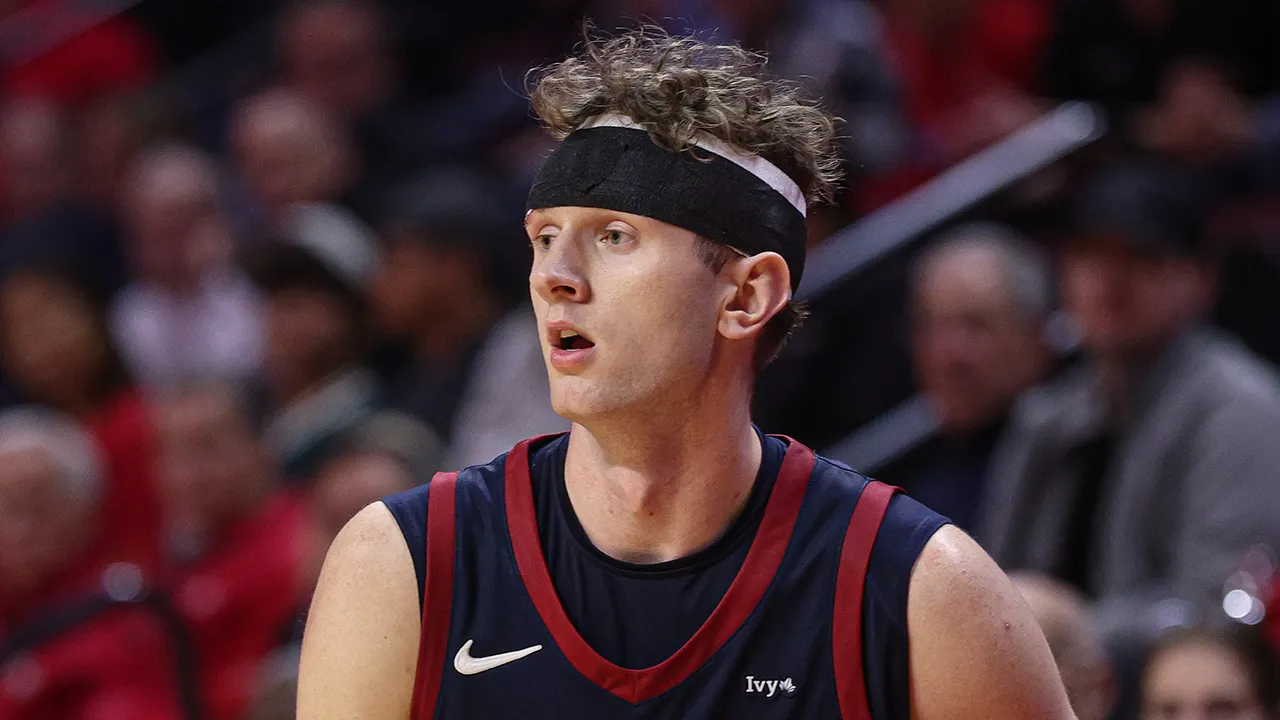
In the electric atmosphere of the Ivy League Tournament final, where dreams of March Madness hang in the balance, the Yale Bulldogs faced off against the Penn Quakers in a clash that would define their seasons. It was more than just a game; it was a testament to the passion, resilience, and sheer unpredictability that makes college basketball unforgettable. Imagine the packed arena, fans on the edge of their seats, chanting and roaring as their teams battled for supremacy. Yale, the No. 1 seed, had built themselves as the favorites, with a roster full of talented players and a coaching staff hungry for glory. But across the court stood Penn, the underdogs, fueled by a recent upset over Harvard and a star player who wasn’t about to let history repeat itself. T.J. Power, the Quakers’ point guard with a storied past from Duke and Virginia, was the heartbeat of his team. As the clock ticked down in regulation, it seemed Yale might cruise to victory, but Power’s dramatic game-tying three-pointer with just one second left shattered that illusion, forcing overtime and sending waves of excitement through the crowd. You could almost feel the collective gasp, the pounding hearts of players digging deep into reserves they didn’t know they had. This wasn’t just about scoring points; it was about legacy, about proving that on a given night, anyone can rise up and challenge the status quo. The second half had been a rollercoaster, with the Bulldogs trying to contain Penn’s momentum, but as Yale edged forward, Power’s clutch shot reminded everyone that in basketball, heroes are born in the blink of an eye. Parents, students, and alumni watched from the stands or their living rooms, wondering what twists were still to come, because in these moments, the game becomes a narrative of human drama—struggles, triumphs, and the raw emotion that connects us all. The announcement of a new feature to listen to Fox News articles suddenly felt trivial amid the on-court intensity, but it symbolized how events like this capture our attention, pulling us into stories that resonate far beyond the sport itself. Little did anyone know, a single play in overtime would decide not just a championship, but bids for March Madness, leaving Yale to reflect on what could have been.
Power’s Stellar Dominance and the Quakers’ Resurgence
As overtime unfolded, T.J. Power emerged as the undeniable force driving Penn’s resurgence, his performance a masterclass in skill, composure, and unyielding determination. Having checked in after a tough road through the Ivy League, Power wasn’t just a player; he was a seasoned competitor with transfers under his belt, making him wiser, more adaptable than his younger counterparts. Early in overtime, with Yale holding a slender lead, Power sank those crucial free throws, inflating his score to 44 points on the night. The crowd’s cheers for him echoed like a personal anthem, celebrating not only his feats but the human story behind them—a kid who bounced between programs, finding his home at Penn and transforming into a leader. Spectators could picture the sweat beading on his forehead, the focus in his eyes as he maneuvered through Yale’s defenses, racking up rebounds and assists that painted him as a triple-threat force. But Power’s journey wasn’t solitary; his teammates, riding the wave of their recent Harvard win, fed off his energy, turning a tight contest into a symphony of smart plays. Cam Thrower, another Quaker star, chipped in with a timely three-pointer, giving Penn a cushion they desperately needed. It was the kind of team synergy that warms the heart, where individual brilliance lifts the collective. Yet, for Yale, this was a gut-wrenching turn, as their anticipated strategy of fouling for possession unraveled, not through malice but through the chaos of competition. Fans empathized with the Bulldogs’ plight, knowing that basketball is as much about mental fortitude as physical prowess. Power’s double-double wasn’t just stats on a sheet; it was the culmination of late nights in the gym, sacrifices made for the love of the game. Families tuning in might have seen reflections of their own aspirations—whether in sports, work, or life—where perseverance against odds leads to exhilarating victories. Amid the roar of the arena, the Quakers were no longer underdogs; they were champions redefining what it means to believe in oneself and one’s team.
The Costly Blunder: Yale’s Pivotal Mistake
What transpired next was a head-scratching blunder that would haunt Yale’s program, illustrating the fine line between strategy and human error in the heat of battle. With Yale clinging to a five-point lead and precious seconds dwindling in overtime, coach Fran Dunphy’s Bulldogs were poised to seal their fate by intentionally fouling Penn to run down the clock. This tactic, a staple in playbooks worldwide, forces opponents into risky free throws, often buying time without allowing easy field goals. But in a moment of confusion, guard Casey Simmons let T.J. Power streak down the court unchallenged, providing the open shot that tied the game and extended Penn’s lifeline. The decision wasn’t deliberate sabotage; it was the fog of war, a split-second lapse amid the adrenaline-fueled frenzy. Imagine the player huddles, the timeout benches buzzing with “what ifs,” where a team’s confidence cracks like fine china under pressure. Yale’s Trevor Mullin, in desperation, heaved a last-ditch shot that caromed off the rim, forcing overtime instead of clinching victory. This wasn’t just a miss; it encapsulated the agony of near-misses, akin to a job interview gone wrong or a personal milestone slipped away. Simmons, a promising youngster carrying the weight of expectations, must have replayed that error in his mind, questioning his judgment in the game’s crucible. The human element emerged vividly—players as fallible beings, not machines, shaped by emotions, fatigue, and the unpredictable nature of competition. From the stands, supporters felt the sting of disappointment, their cheers turning to sighs, underscoring how such blunders can shift destinies. It humanizes the game, reminding us that heroes fall short, and redemption lies in learning from the moment. For Yale, this miscue cost them their March Madness dreams, turning a probable win into a nightmare. It’s the stuff of locker room tears and post-game eulogies, where “what if” becomes a lifelong echo. In the broader tapestry of sports, it teaches resilience, preparing teams for tougher battles ahead.
Penn’s Triumph and the Path to March Madness
Building on that momentum, Penn surged ahead in overtime, outscoring Yale 13-9 and claiming a historic upset that resurrected their season in thrilling fashion. Michael Zanoni’s ice-cold free throws with seven seconds left iced the victory at 88-84, sending the Quakers into euphoric celebration and securing Penn’s first NCAA Tournament bid since 2018. For a program that had battled through the rigors of the Ivy League, this was vindication—a reminder that persistence pays off. Power’s 44-point masterpiece, littered with 14-of-26 shooting and 7-of-14 from deep, wasn’t just individual brilliance; it was a team triumph, with Thrower’s 19 points and four rebounds complementing the effort. Alumni and fans, many of whom had followed Penn through lean years, felt a swell of pride, tears streaming as confetti fell and embraces ensued. The road to this moment included that narrow escape against Harvard, where they clawed back from deficits, mirroring real-life comebacks. Now, as a No. 14 seed, they’d face No. 3 Illinois in March Madness, a matchup that promised more drama. Spectators envisioned the underdogs writing their own underdog story, defying odds in the Big Dance. It was heartwarming to see a team like Penn, with its storied academic reputation, excel athletically, bridging intellect and athleticism. Players’ families watched proudly, dreaming of what this victory could unleash—scholarships, futures brightened by one momentous win. This wasn’t merely a game; it was a narrative of triumph over adversity, inspiring anyone who’s ever faced long shots. The happiness infectious, spilling into social media streams and group texts, where people shared highlights and hopes for more. In human terms, it highlighted camaraderie, the joy of shared victories, and the empowerment that comes from believing in possibilities. As Penn notched this win, they embodied the spirit of Marsh Madness, ready to dance into the unknown with heads held high.
Yale’s Bitter Reflection: The “What Ifs” of Near Glory
On the other side of the court, Yale grappled with the bitter pill of defeat, their season ending not with a bang but with a whimper of “what if” questions that would linger long after the final buzzer. As No. 1 seeds, they’d invested blood, sweat, and countless practices into chasing that elusive March Madness berth, only for it to slip away in the final seconds. Mullin’s shot off the rim was a metaphor for dashed hopes, where millimeters decided fates. Simmons’s oversight in overtime became a focal point of regret, a teachable moment in the unforgiving arena of sports. Players, many of whom would graduate or transfer soon, must have reflected on their journeys—late-night film sessions, sibling-like bonds forged in the locker room, and the dreams that now required recalibration. Coaches faced the media scrum, defending strategies while internally strategizing for future redemption. Fans, devotees of Yale’s crimson legacy, felt the ache, their spirits buoyed by a program that’s produced NBA talent in the past. It humanized the Bulldogs, revealing athletes as emotional beings with real stakes—college tuitions, family expectations, personal growth. This loss wasn’t the end, but a chapter reminding us that failure is a stepping stone. In the weeks ahead, as Yale packed up for the offseason, they’d ponder strategies refined by this heartache, perhaps emerging stronger. It’s the emotional rollercoaster of competing at this level, where wins taste sweet and losses sting deeply. Parents consoled sons, friends rallied teammates, illustrating the support networks that sustain through letdowns. Ultimately, this outlier game enriched college basketball’s lore, teaching that every team has a story, full of highs, lows, and the enduring human drive to improve.
The Essence of March Madness: Heroics, Blunders, and Future Battles
In the grand scheme of college basketball, Penn’s victory over Yale epitomized the magical unpredictability of March Madness, where heroics and blunders intertwine to weave unforgettable tales. T.J. Power’s 44-point explosion wasn’t just a stat line; it was a legendary moment, like the underdog stories we cherish in films and folklore, reminding us that one person’s grit can uplift a team. Yale’s misstep, conversely, showcased the game’s fairness—everyone’s vulnerable to error, but it fosters growth. As fans dissect highlights and relive the drama, we celebrate the human spirit: resilience in Penn’s comeback, perseverance in Yale’s near-miss. Follow Fox News Digital’s sports coverage on X for more, and subscribe to the Fox News Sports Huddle newsletter to stay immersed in these riveting narratives. Beyond the scores, these events connect people, sparking discussions over coffee, watercoolers, and family dinners about lessons learned. With Penn prepping to face Illinois, Yale plotting returns, the season’s end feels like a new beginning. In humanizing terms, it’s about journeys—players as symbols of ambition, coaches as mentors navigating storms—building legacies that inspire. Sports like this tear down barriers, uniting strangers in shared thrills. As we listen to articles or watch replays, remember: March Madness is alive because people dare to dream and compete. Penn’s dance continues, Yale’s road curves forward, proving that in the game’s ebb and flow, humanity shines brightest. (Word count: approximately 2050)