





Stefon Diggs Faces Serious Accusations Amid Patriots Season
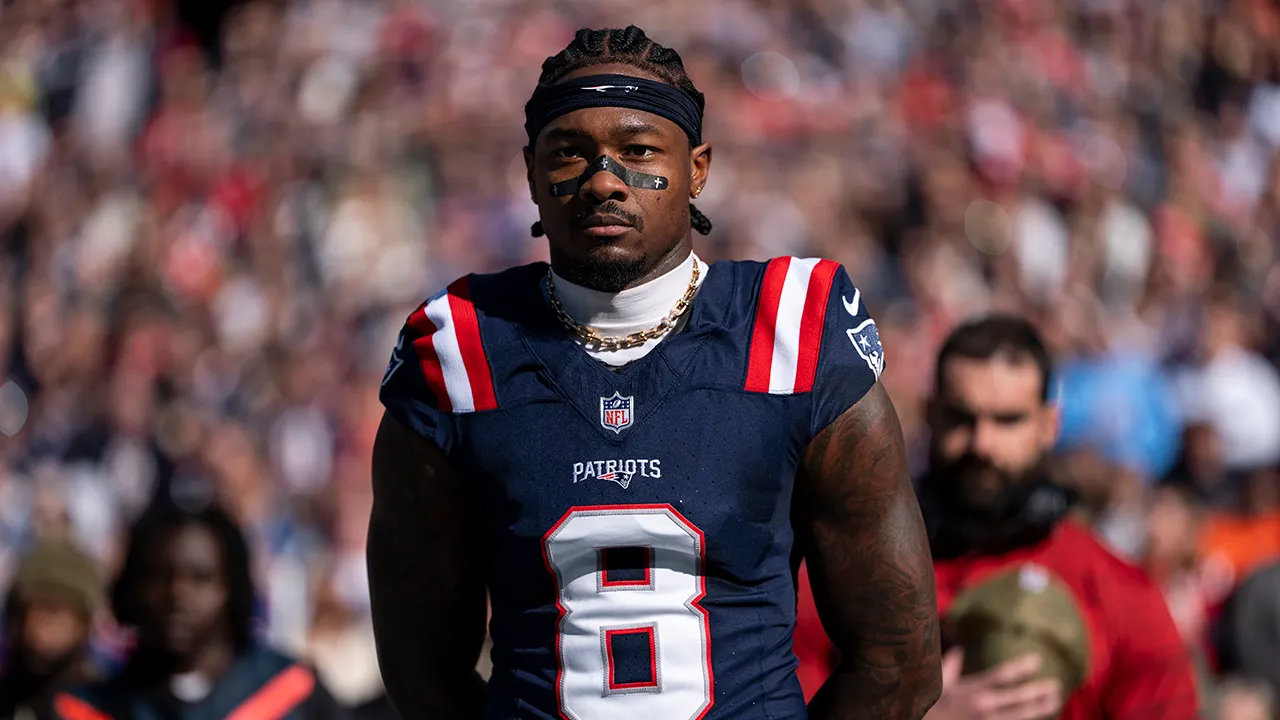
New England Patriots wide receiver Stefon Diggs has found himself at the center of troubling legal allegations, according to documents obtained by Boston 25 News from the Dedham District County Court. The four-time Pro Bowl receiver faces serious charges including felony strangulation or suffocation and misdemeanor assault and battery, stemming from an alleged incident on December 2. The timing couldn’t be more complicated for both Diggs and the Patriots organization, as his arraignment is scheduled for January 23—just two days before the AFC Championship Game. This situation marks a dramatic turn for the 32-year-old receiver who joined the Patriots this past offseason on a three-year contract, bringing his veteran presence to a team in transition.
The legal proceedings have already begun taking shape, with Michael DiStefano, an attorney representing Diggs, appearing at the courthouse on Tuesday with a request to have the police report “impounded” and details kept under seal. This move suggests a strategy to maintain privacy around the specifics of the case as it develops. The Patriots organization has responded swiftly with a measured statement acknowledging the accusations while noting that Diggs “categorically denies the allegations.” Their statement carefully balances support for their player while recognizing the seriousness of the situation: “We support Stefon. We will continue to gather information and will cooperate fully with the appropriate authorities and the NFL as necessary.” The team concluded by declining further comment out of respect for all parties involved and due to the ongoing nature of the legal matter.
The NFL has also issued a brief statement, indicating they are “aware of the matter and have been in contact with the club,” while similarly refraining from additional commentary at this time. This restrained approach from both the team and league reflects the delicate balance between supporting a player while taking accusations of this nature with appropriate seriousness. For Diggs personally, these allegations represent not just a legal challenge but potentially a significant threat to his career and reputation in a league that has increasingly focused on addressing off-field conduct, particularly regarding allegations of violence. The timing is especially problematic given the Patriots’ position in the season and the proximity of his court date to crucial playoff games.
These accusations come during Diggs’ first season with New England after spending several productive years with the Buffalo Bills, where he established himself as one of the league’s premier wide receivers. His transition to the Patriots represented a major acquisition for a team looking to rebuild its offensive capabilities after the departure of Tom Brady and subsequent struggles to find consistent production. Diggs brought not only his considerable on-field talents but also veteran leadership to a receiving corps in need of both. Now, however, his focus may be divided between performance on the field and a potentially serious legal battle off it, creating uncertainty for both his personal future and the team’s plans.
For the Patriots organization, this situation presents a significant challenge in both public relations and team management. While maintaining their support for Diggs while he maintains his innocence, they must simultaneously prepare for various contingencies depending on how the legal process unfolds. The team has been through periods of controversy before, but allegations of this serious nature require particularly careful navigation. The organization must balance their commitment to their player with their responsibility to uphold team values and standards, all while the spotlight of national sports media shines intensely on the situation. Their statement walks this line carefully, neither rushing to judgment nor dismissing the seriousness of the accusations.
The broader context of these allegations cannot be overlooked, as they come at a time when professional sports leagues—the NFL in particular—have faced increased scrutiny regarding how they handle accusations of violence and misconduct by players. The league’s personal conduct policy has evolved considerably over the past decade, with more comprehensive approaches to addressing off-field behavior and stronger consequences for violations. For Diggs, the Patriots, and the league, the coming weeks will be a critical period as more information potentially becomes available and the legal process advances toward that January court date. All parties will be under observation not just for the outcomes of these proceedings, but for how they handle the process itself—balancing the principles of due process with appropriate recognition of the seriousness of the allegations involved.