





Patriots Players Remain Eligible Despite Serious Allegations
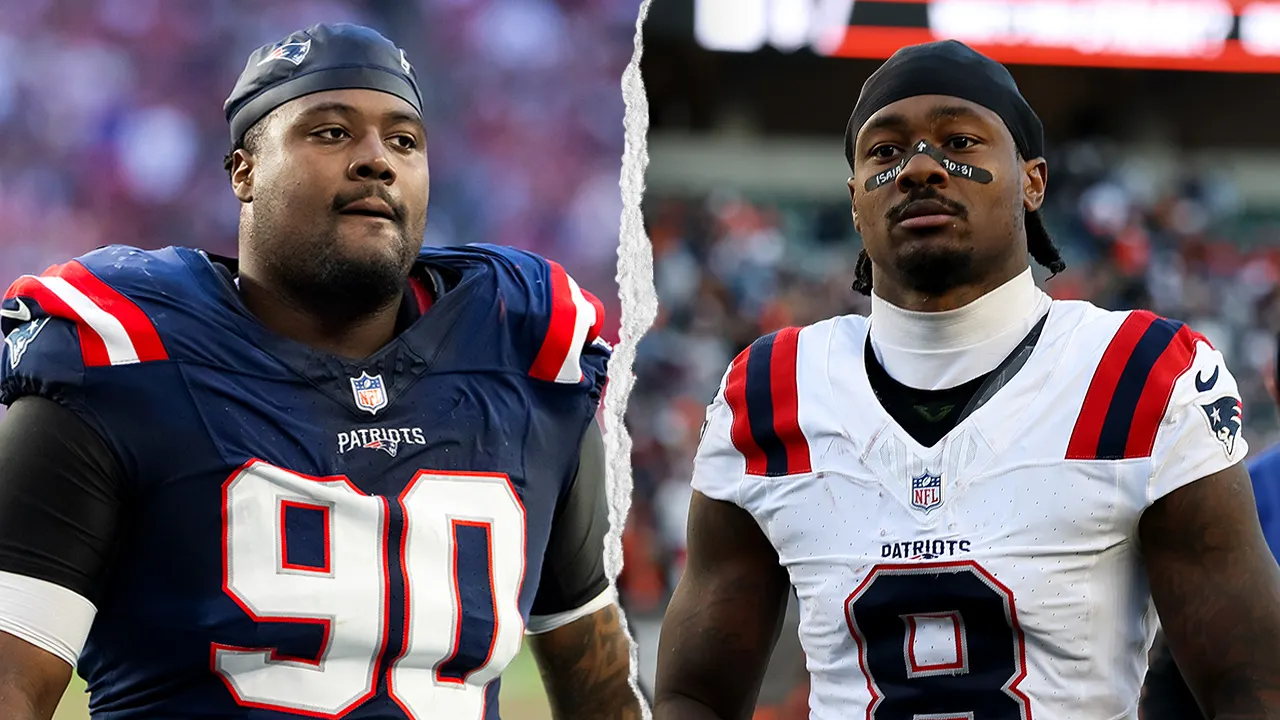
Two New England Patriots players, Stefon Diggs and Christian Barmore, find themselves at the center of serious domestic violence allegations, yet both remain eligible to play in an upcoming crucial game against the Miami Dolphins that could secure the team a top playoff seed. The NFL has maintained that “there is no change to the status of Diggs or Barmore,” explaining that according to the league’s Personal Conduct Policy, placement on the Commissioner’s Exempt List typically follows formal legal developments such as grand jury indictments, prosecutor charges, or criminal court arraignments—none of which have occurred yet in either case. This stance highlights the complex balance the league attempts to strike between respecting legal due process and addressing serious allegations against its players.
The allegations against Diggs are particularly disturbing, with his female chef claiming he strangled her during a dispute over money earlier this month. According to police reports, the woman stated that Diggs “smacked her across the face,” and when she attempted to defend herself by pushing him away, he “tried to choke her using the crook of his elbow around her neck.” Just one day after these allegations surfaced, it came to light that teammate Christian Barmore faces his own serious accusations from August, allegedly assaulting a woman he was in a relationship with. Barmore has been charged with one count of assault and battery on a family/household member after allegedly grabbing the victim’s phone as she tried to leave his residence, throwing her to the floor when she attempted to call for help, grabbing her by the shirt near her neck, and threatening to have his cousin “f— her up.”
When questioned about these troubling allegations and whether they disappointed him, Patriots head coach Mike Vrabel appeared to minimize their significance, stating they were “not disappointing at all,” characterizing them merely as “allegations” and “distractions” that the team needed to handle. “Every day there are distractions, some are smaller than others,” Vrabel remarked, expressing confidence that the team would remain focused on their upcoming game against the Dolphins while “those two individuals will be able to handle the ongoing legal process.” This response raises questions about the organization’s priorities when confronted with serious allegations against team members, suggesting a potential culture that places on-field performance above addressing concerning behavior.
Both players are being represented by the same attorney, David Meier, who has issued categorical denials on their behalf. Regarding Diggs, Meier claimed the allegations “are unsubstantiated, uncorroborated and were never investigated—because they did not occur,” suggesting they stemmed from an unresolved “employee-employer financial dispute.” For Barmore, the attorney expressed confidence that “the evidence will demonstrate that no criminal conduct took place” and predicted “this personal matter will be resolved in the near future, and both parties will move forward together.” These statements follow a familiar pattern seen in many sports-related allegations, where accusations are frequently characterized as financially motivated or misunderstandings rather than legitimate claims of misconduct.
The NFL’s approach to these allegations reflects its established protocol of generally allowing the legal process to unfold before taking action against players. According to the league statement, consideration for placing players on the Commissioner’s Exempt List—which would remove them from active play while continuing to receive pay—typically comes after formal legal charges rather than during initial investigations. This system aims to protect players from punishment based solely on accusations, but critics argue it can also allow potentially dangerous individuals to continue their high-profile careers and enjoy public adulation while serious allegations remain unresolved.
This situation highlights the persistent tension in professional sports between protecting players’ rights to due process and addressing the gravity of domestic violence allegations. For the Patriots organization, these cases present difficult questions about team values and accountability as they prepare for a pivotal game that could secure their playoff positioning. Meanwhile, the women who have made these allegations face the challenging reality that their claims against powerful, wealthy athletes will be scrutinized in the public arena, where sports loyalty and performance often outweigh concerns about player conduct off the field. As both cases proceed through the legal system, they add to ongoing conversations about how professional sports leagues should balance competitive interests with ethical responsibilities and player accountability.