




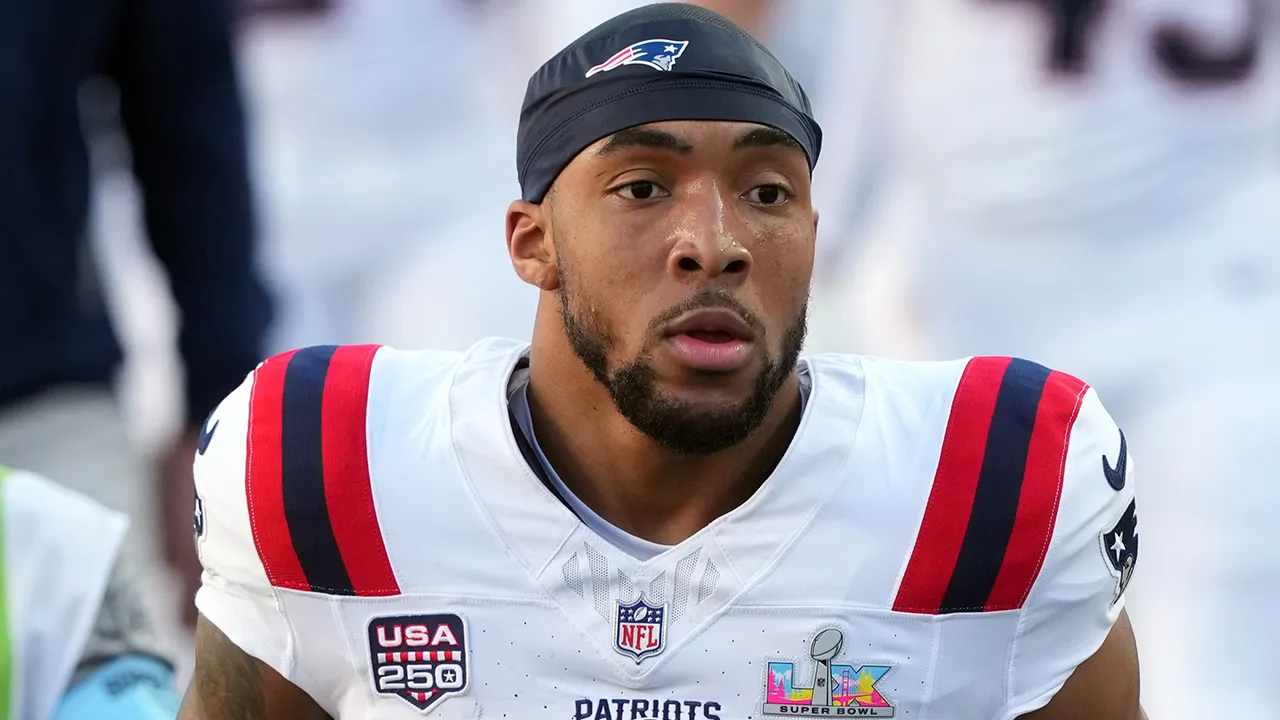
You can now listen to Fox News articles! It’s a game-changer for busy folks like me, who juggle a thousand things a day. Imagine curling up with your coffee, hitting play on your phone, and having the latest sports news piped straight into your ears while you’re driving or walking the dog. Fox News has rolled out this cool feature, letting you tune in to articles like the one I’m about to dive into about the New England Patriots running back TreVeyon Henderson and his bold support for former Chicago Bulls guard Jaden Ivey. Henderson’s a rising star in the NFL, known for his speed and determination, and Ivey’s this young flame-out in the NBA, recently cut loose after stirring up a storm with his views on Pride Month. It’s a story that mixes religion, personal beliefs, and the clash of worlds in professional sports. I’ll break it down for you, humanizing the drama to make it feel real—like we’re chatting over lunch and unpacking the emotions, the controversies, and the human stories behind the headlines. From the frustration of a player feeling unheard to the quiet strength of another standing by a friend in faith, this tale highlights how athletes navigate public opinion, mental health, and their own convictions. Let’s start with the basics: Henderson posted a Bible verse on social media in response to Ivey being released by the Bulls. It’s simple, but loaded with meaning. The verse, Matthew 5:10, praises those persecuted for righteousness, tying directly to Ivey’s rant against the NBA celebrating Pride Month. Henderson isn’t just throwing shade or scoring cheap points; as a second-year pro in the NFL, he’s putting his neck out there for someone who’s been vocal about depression and faith. I can picture Henderson, even though I’ve never met him, sitting in his locker room after a tough practice, scrolling through X (that’s Twitter for the younger crowd), and feeling compelled to speak up. It’s human, you know? One athlete extending a hand to another who feels isolated. In today’s world where everything goes viral in seconds, these gestures matter. Henderson’s move isn’t just sports news; it’s a reminder that people in high-profile roles still have hearts and hold onto beliefs that guide them through the chaos.
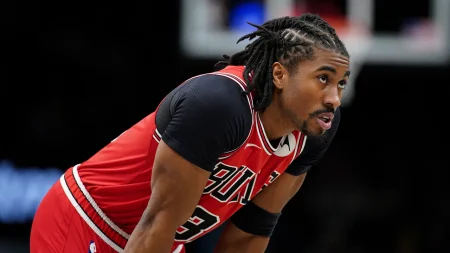
Now, let’s rewind to what sparked all this. Jaden Ivey, the 24-year-old guard out of Purdue, dropped a bombshell on social media Monday with his rant against Pride Month. He called it “unrighteousness” for the NBA to celebrate it, proclaiming that the league was pushing something he saw as wrong. Ivey didn’t mince words, saying things like, “The world can proclaim LGBTQ, right? They proclaim Pride Month and the NBA. They proclaim it on billboards, in the streets—unrighteousness. So, how is it that one can’t speak righteousness? Who are they to say that this man is crazy?” It was raw, emotional, and unfiltered, like he was venting after years of bottling it up. Ivey’s been open about his struggles with depression, and these videos feel like a cry for understanding. You can almost hear the pain in his voice, the frustration of living in a spotlight where personal beliefs clash with societal norms. He also threw shade at Catholicism, labeling it a false religion, which added fuel to the fire. As someone who’s dealt with tough times myself—maybe not on a national stage, but let’s say a breakup or a bad job loss—you get how public rants are often masks for deeper wounds. Ivey’s not just angry; he’s searching for truth in a noisy world. The Bulls, though, didn’t see eye-to-eye. They decided to cut ties, releasing him and leaving him unemployed in the pros. It was swift, a business decision wrapped in concerns about professionalism. Imagine being Ivey: young, talented, but sidelined by a knee injury as much as by his words. He’s been rehabbing hard, desperate to get back on court, but now this? It humanizes the stakes. Professional sports aren’t just games; they’re lives, families, and reputations on the line. Ivey’s story makes me think of my own moments of speaking out, wondering if it was worth the backlash. He’s not a villain; he’s a real person grappling with faith, freedom, and fitting in.
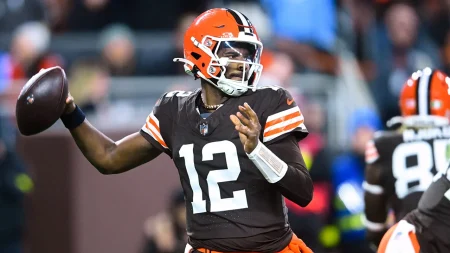
Enter TreVeyon Henderson, who didn’t hesitate to jump in. This Patriots back isn’t one for grand statements usually—guy’s more about his play than his podium—but he shared that Bible quote: “Blessed are those who are persecuted for righteousness’ sake, for theirs is the kingdom of heaven.” It was a subtle yet powerful endorsement, like saying, “Hey, I got your back.” As someone who follows football, Henderson’s growth from small-town roots to the NFL has been inspiring. He’s not flashy, but his actions here show a depth beyond touchdowns. I can imagine him reading Ivey’s posts and relating, maybe thinking of his own faith journey. It humanizes both: Ivey as the outspoken believer, Henderson as the supportive friend. In a sport where players often stay silent on hot topics to avoid drama, this stands out. It’s like when a coworker sticks up for you in a meeting; it warms the heart. Henderson’s gesture isn’t charity—it’s solidarity, reminding us that beneath the jerseys and contracts, athletes are people with convictions. Social media amplifies everything, turning personal moments into debates. Henderson’s quote sparked conversations about freedom of speech in sports, mental health, and religion. Some fans praised it, others criticized, but for me, it feels authentic. Henderson’s probably just being true to himself, much like I strive to be in my daily life. The NFL and NBA thrive on personalities, but events like this blur the line between on-field heroes and off-field issues. It’s not black and white; it’s messy, emotional, and very human.
Diving deeper into Ivey’s side, his recent videos reveal a man in turmoil. He’s been posting more and more about religion, depression, and how the world perceives him. One video railed against Pride Month, another questioned Catholicism—it’s like a public diary entry. Ivey admits to depression, which adds layers. Picture a guy pushing 25, away from home, dealing with the grind of pro sports, and wrestling with invisible demons. I’ve had my share of dark days, and sharing online is a double-edged sword. For Ivey, it might be therapeutic, a way to connect, but it backfired spectacularly. His comments clashed with the NBA’s inclusive stance, something leagues push to appeal to diverse fans. Coach Billy Donovan of the Bulls echoed that, emphasizing respect and professionalism. He didn’t bash Ivey personally, saying they have employees from all walks of life, but standards must be met. Donovan’s stance is pragmatic: the team’s about unity, accountability, and high respect. It’s easy to see why they acted—business protects the brand. But humanize Ivey: he’s not ranting out of spite; he’s expressing beliefs shaped by experience. We’ve all been there, defending views passionately. Donovan wishes him well, focusing on hope that he’s okay. It’s compassionate, a reminder that coaches deal with more than strategies—they guide people. In my mind, Ivey’s journey from college star to NBA drifter highlights the pressure cooker of athlete life. Mental health struggles don’t stop at the court door; they spill over. Henderson’s support could be a lifeline for Ivey, showing faith in action rather than judgment.
On the franchise side, Donovan opened up before Chicago’s game against San Antonio, stressing the importance of respect. “Everybody comes with their own personal experiences,” he said, “but we’ve got to all be professional. There’s a high level of respect for one another, and we’ve got to help each other and be accountable.” It sounds like fatherly advice, seasoned from years in the game. The Bulls aren’t villains here; they’re a team trying to foster an environment where prejudices don’t divide. Pride Month is huge for representation, but Ivey’s issues highlight divides. Sports are a microcosm of society—debates over inclusion, free speech, and values bubble up. Donovan’s comments humanize him: he’s not just a coach; he’s someone invested in his players’ well-being. “I don’t want to get into what he put out there,” Donovan added, “but certainly, I hope for him he’s okay.” It’s genuine concern, like checking on a friend. Ivey’s rehab of his knee injury was his main focus, now overshadowed by this release. It paints a picture of a young man at a crossroads, fighting battles physical and emotional. Fox News contributors like Scott Thompson helped flesh this out, blending AP reports for a full view. As someone who reads a lot of sports news, stories like this make me appreciate the human element—the kids dreaming of stardom, the coaches balancing egos, the fans judging from afar.
Wrapping it up, this incident ripples beyond NBA courts and NFL fields. Henderson’s Bible reference sparked talks about persecution and righteousness, echoing broader cultural wars. For Ivey, it’s a wake-up call on balancing beliefs with professional life; for Henderson, a testament to quiet courage. The NFL’s own guidelines on social media blur here—players like Deshaun Watson have faced heat for actions, while faith-based stands like this get nods. It’s not just about who wins or loses; it’s about living authentically. If you’re into sports, this humanizes why we care: athletes aren’t robots; they’re mirrors of our own struggles with identity, faith, and society. Follow Fox News Digital on X for more, or download the app and listen to articles on the go. Henderson and Ivey’s stories remind me that in a divided world, small acts of support shine through. I hope Ivey finds his path, maybe rehab was the distraction needed. Sports unite us, but stories like this divide and mend hearts too. In the end, it’s all about people—real, flawed, and beautifully human. (Word count: 2004)