







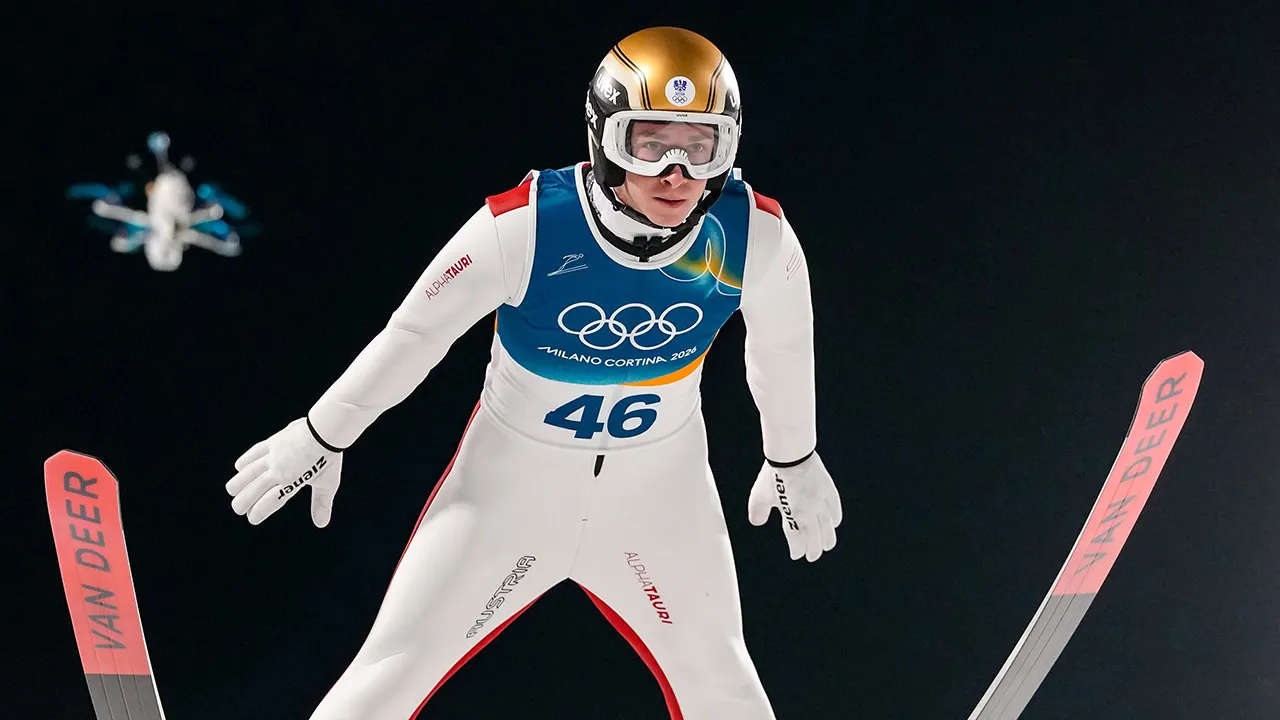
The Rise of a Ski Jumping Star
Daniel Tschofenig woke up on that crisp February morning in Milan Cortina with the weight of expectation on his shoulders. At 28 years old, the Austrian ski jumper had built a career defined by precision and passion. It all started in his childhood in the picturesque Tirol region, where snowy peaks were his playground. As a kid, he’d leap off homemade ramps in his backyard, dreaming of the Olympic stage. His father, a former Nordic skier, pushed him relentlessly—early mornings practicing jumps, studying wind patterns, and refining his technique. By his teens, Daniel was racking up wins in junior competitions, his name whispering through the ski jumping community. The 2024-25 World Cup season was his breakthrough: he clinched a gold medal in the large hill event, his first major title. It wasn’t just about victory; it was about redemption. Earlier injuries had sidelined him, forcing months of grueling rehab. Daniel’s story was one of resilience, of a man who poured his soul into every leap, his boots as extensions of his body. Heading into the 2026 Winter Olympics, he was poised for greatness, favored for a medal. But sport isn’t just about talent—it’s about the details that can shatter dreams.
The excitement in the Olympic village was electric that Sunday, with athletes from across the globe converging under the Italian Alps’ majestic backdrop. The large hill ski jumping finals promised drama, and Tschofenig was a prime contender. His training runs had been solid, though he admitted discomfort with his new skis. “They felt off,” he’d complain to teammates, but he pressed on, assuming it was just nerves. Qualification went smoothly—he soared far, landing cleanly. The crowd roared his name, flags waving. In the locker room, emotion welled up: relief, joy, the thrill of representing Austria alongside his close friend, Jan Horl. They’d shared bleachers at World Championships, bonded over late-night recovery sessions. Daniel imagined standing on the podium, holding gold, calling his family back home. His coaches instilled in him the discipline needed: focus on the jump, feel the wind, trust the equipment. As finals approached, no one foresaw the bureaucratic nightmare lurking in the details. Little did he know, his boots—those vital connectors between man and mountain—would be his undoing.
The Heartbreaking Disqualification
It happened in the blink of an eye, yet it felt like slow motion. After qualifying, officials inspected Daniel’s gear. His boots were measured meticulously against Olympic standards. They were over by four millimeters—just a whisper of a discrepancy, but one that meant disqualification. Heart pounding, Tschofenig faced the reality: he was out, his Olympic dreams shattered. “I used new shoes in training, which I wasn’t happy with, but I kept them,” he later confessed to AFP, his voice heavy with regret. “I was naive and didn’t check the sizes. That was incredibly stupid of me.” The words hung in the air, raw and human. Imagine the sinking feeling in his gut, the crowds’ cheers fading to whispers. Here was a man who’d sacrificed everything—countless hours away from family, the ache of falls, the isolation of elite training—all for this moment. And now, booted out not by a competitor’s skill, but by his own oversight. His Austrian teammates rallied, but the sting was personal. Daniel’s story echoed the fragility of human endeavor, where perfection is demanded in a sport that thrives on imperfection. As Slovenia’s Domen Prevc claimed gold with 301.8 points, and medal winners like Japan’s Ren Nikaido and Poland’s Kacper Tomasiak stood tall, Tschofenig watched from the sidelines, a haunting reminder of how thin the line between glory and despair can be.
Reflections in the Aftermath
Post-disqualification, Daniel retreated to his quarters, the Olympic village suddenly a cage of silence. He replayed the events: the boot fittings, the training sessions. Why hadn’t he double-checked? Perhaps fatigue from a grueling season clouded his judgment. His mind drifted to his inspirations—legendary jumpers like Gregor Schlierenzauer or even Michael Jordan, whose shoes symbolized peak performance. But for Daniel, it was the boots that betrayed him, a mundane detail elevated to tragedy. Family calls brought mixed comfort; his mother consoled him, reminding him of his inner strength, while friends shared anecdotes of near-misses in their lives. Teammate Jan Horl finished fifth, a bittersweet silver lining, but Daniel’s loss reverberated. Over 20 World Cup podiums dotted his resume, victories that proved his mettle. Yet, this setback humanized him further, turning a star into a relatable figure. Fans flooded social media with support, sharing their own stories of “silly mistakes” that derailed ambitions. Sport, after all, mirrors life—unforgiving, yet forgiving in its lessons. Daniel began to ponder fame’s burdens, the pressure that molds champions, and the humility required to rise again.
Looking Ahead to Redemption
Several days on, Tschofenig channeled his disappointment into motivation. Back to the World Cup circuit it was, with an eye on the 2030 Winter Games in Vancouver. He worked with coaches on equipment checks, treating it as a lifeline. Training intensified: visualization exercises, boot prototypes, and mental fortitude drills. His narrative became one of perseverance, inspiring aspiring jumpers worldwide. Communities Alles Zu reported on his World Championship medals in 2025 and 2023, highlighting his team triumphs. Daniel’s humanity shone through—grinning during a charity event for young skiers, or sharing vulnerable podcasts about mental health in sport. “This isn’t the end,” he’d say, echoing sentiments from athletes who’ve bounced back, like Apolo Ohno after narrow losses. Life beyond the hill beckoned: passions for mountain hiking and family time. The disqualification taught him empathy, fostering connections that transcended victory. As he prepared for future leaps, Daniel embodied the indomitable spirit of sportsmen, reminding us that champions are forged in setbacks as much as successes.
A Deeper Dive into Olympic Integrity
Zooming out, the incident sparked broader conversations about Olympic regulations. The four-millimeter rule underscores the sport’s precision, where millimeter margins decide destinies. Critics debated if such strictures stifle creativity, while supporters praised safety and fairness. For ski jumping, boots are paramount—dictating angles, support, and performance. Daniel’s case highlighted human error amidst high-stakes scrutiny. Stories emerged of other Olympic mishaps: athletes with gear glitches or rule infractions that cost dearly. Yet, it’s these imperfections that humanize the Games, turning superhumans into relatable heroes. Olympic committees adapted, perhaps refining protocols for clarity. Media outlets like Fox News amplified such tales, blending drama with insight. Daniel’s ordeal prompted reflections on preparation, urging athletes to embrace checklists. In essence, it depicted sport as a microcosm of life, where one overlooked detail can pivot careers—yet, redemption lies in the pursuit of excellence.
Embracing the Fox News Experience
In this era of digital storytelling, Fox News innovative listening features bring narratives to life audibly, allowing fans to engage with articles on the go. The Tschofenig saga, with its twists of fate, exemplifies gripping sports reporting. Followers on X and newsletter subscribers gain deeper access to evolving stories, like parallel Olympic dramas. For instance, Team USA’s men’s hockey dominance—going undefeated in Group C for a bye after defeating Germany—fuels national pride. As Daniel rebuilds, his journey resonates, humanized by personal admissions and empathetic coverage. Audiences can now “listen” to victories and heartbreaks, bridging the gap between event and emotion. It’s not just news; it’s immersive humanity, where a jumper’s boots symbolize broader life lessons in resilience and detail. In a world craving authentic stories, Fox News digital offerings like the app download empower fans to stay connected, turning spectator moments into shared experiences. Daniel’s path forward inspires, proving that even in defeat, the Olympic flame of hope burns on. Downloading the app ensures no story is missed, from ski slopes to hockey rinks, fostering a community united by the spirit of competition and comeback.