






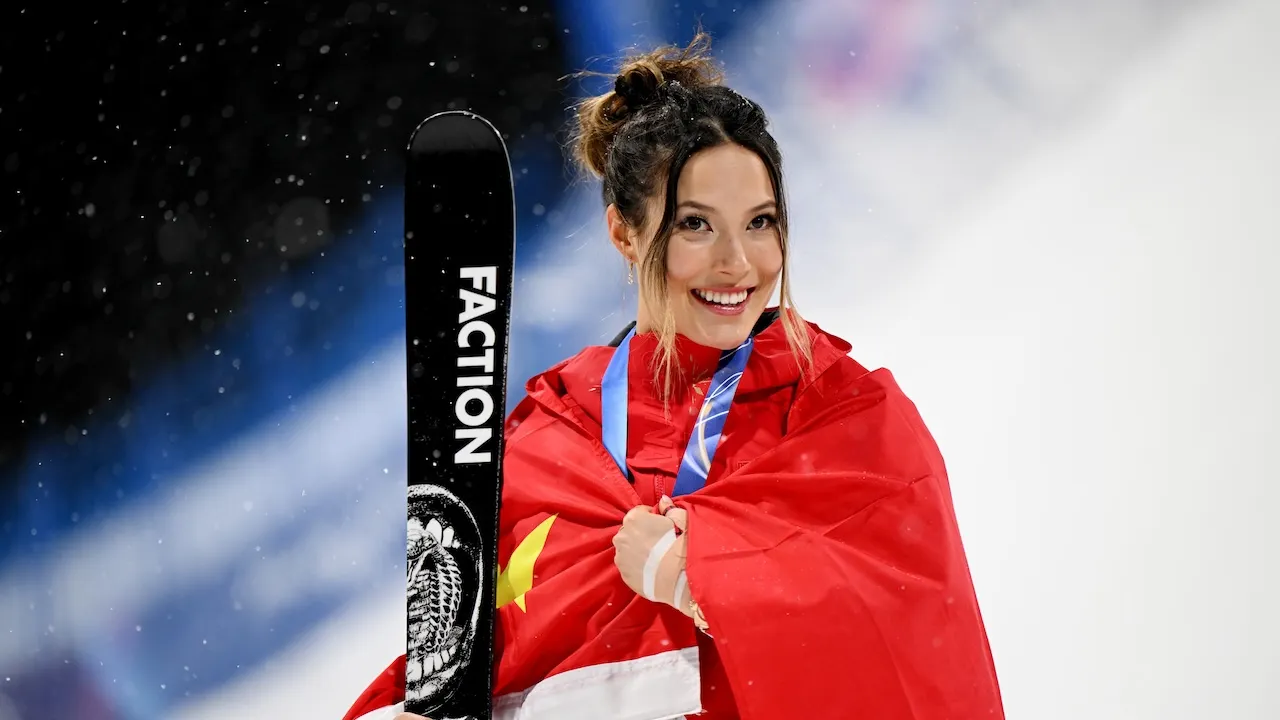
In the bustling world of the Winter Olympics, where athletes glide through snow and ice chasing dreams, one figure has sparked intense debate: Eileen Gu, the American-born freestyle skier who proudly represents China. Imagine a young woman navigating the extreme divides of identity, talent, and politics, all while soaring down slopes at jaw-dropping speeds. Gu, hailed as the most decorated skier of her time, has faced mounting criticism for choosing to compete under the Chinese flag instead of her native U.S. Yet, amid the noise, fellow Olympians are stepping up to defend her choice. It’s like a reminder that sports should unite, not divide—each athlete’s journey is personal, shaped by passions, sacrifices, and the inexplicable pull of heritage. Kelly Curtis, a seasoned Team USA skeleton racer who’s also a dedicated Air Force staff sergeant, has her own take on Gu. Curtis admits she hasn’t dwelled much on the drama, but her respect for Gu’s skill is unwavering. “I honestly have not given it much thought,” Curtis shared in a candid chat with Fox News Digital. “She is the most decorated freestyle skier, so she’s at the top of her run, and I have nothing but respect for her.” It’s a sentiment that feels authentic, coming from someone whose life blends military discipline with competitive fires. Curtis embodies that quintessential American spirit—focused, patriotic, and yet open-minded enough to appreciate talent beyond borders. To her, Gu’s choice isn’t a betrayal; it’s just another athlete pushing limits in the global arena. This kind of support adds a layer of humanity to the sports world, where rivalries can flare up, but mutual admiration often prevails. Think about it: in a sport as solitary as skiing, where one wrong move can end everything, Curtis’s words highlight how talent transcendentally matters.
Then there’s AJ Edelman, an American rider for Team Israel in bobsled, who deeply resonates with Gu’s path. Growing up in New England, Edelman made a bold pivot from representing his home country to donning Israel’s colors, both at the 2022 Beijing Games and now in Milan-Cortina. He’s unapologetically proud of his American roots but firm that Israel called to him in a way that felt right. “Every single athlete has a different athletic journey,” Edelman told Fox News Digital, defending Gu against her critics. He sees the outrage as misplaced, emphasizing that no one has the right to question another athlete’s personal choices. “It is incredibly inappropriate for anyone to demand service of someone in sport for any particular reason that is not of that athlete’s own will,” he explained. For Edelman, it’s about authenticity—choosing a path that aligns with one’s values and desires, not societal expectations. His story mirrors Gu’s in fascinating ways: both are Americans who’ve followed their hearts abroad. Edelman’s decision stemmed from a desire to impact a specific community, believing Israel’s team needed his leadership. It’s inspiring to hear how he sacrificed financially, living below the poverty line throughout his 13-year commitment. Imagine selling off bitcoin that could’ve made him a millionaire today—all poured into bobsled expenses. “It was all spent on bobsledding,” he recalled wistfully. Edelman’s support for Gu isn’t just words; it’s rooted in shared experiences of defying norms for a deeper cause. Amid the Olympics’ glamour, stories like his remind us that true champions aren’t just winners; they’re trailblazers willing to give up comforts for something bigger.
Gu’s decision, however, has led to immense financial success, contrasting sharply with Edelman’s struggles. While he’s battled poverty for his passion, Gu has become a multimillionaire, reportedly earning $23 million alone in 2025 through partnerships with Chinese banks and global brands. It’s staggering, especially knowing she’s motivated by her mother’s roots in China. Reports from The Wall Street Journal paint a picture of lucrative incentives: Gu, alongside fellow American-turned-Chinese skater Zhu Yi, received over $6.6 million from Beijing’s Sports Bureau last year for qualifying performances. Over three years, they’ve pocketed nearly $14 million combined—a far cry from the minimal resources Edelman navigated. Gu’s earnings aren’t just about the medals; they’re a testament to her marketability. She represents prestige, bridging East and West in a way that dazzles sponsors. Yet, this wealth hasn’t shielded her from controversy. Critics argue her allegiance feels opportunistic, swapping patriotism for profit. But humanizing her story reveals layers: a young athlete honoring family while excelling globally. It’s easy to judge from afar, but imagine the pressure of balancing cultural ties with international scrutiny. Gu’s choices, shaped by maternal influence, underscore how personal narratives drive Olympic fates. Edelman’s sacrifices make her profits feel like a stark divide, yet both athletes personify the Olympics’ allure—the promise of glory against all odds. In a world obsessed with rankings, their stories add emotional depth, reminding fans that behind the podium are real people with complex motivations.
Diving deeper into the backlash, Gu faces relentless questioning, particularly on China’s human rights record. When TIME Magazine probed her on Xinjiang’s reports of Uyghur persecution, Gu responded with measured skepticism. “I haven’t done the research,” she admitted, emphasizing it’s not her place to speak out publicly. “I’m not going to make big claims on my social media.” Her response reflects a cautious approach, wary of being dragged into agendas beyond her expertise. Gu articulates it as a personal journey: needing firsthand evidence, conversations, images, and historical context before forming opinions. It’s an honest confession from someone not wanting to be a “mouthpiece for any agenda.” In an era of instant soundbites, her reluctance highlights the pitfalls of armchair activism. Critics see it as evasion, especially given the allegations, but humanizing Gu reveals a young woman overwhelmed by expectations. She’s 22, after all, with a lifetime ahead for deeper explorations. This stance draws parallels to athletes in other sports who avoid politics to focus on performance—yet Gu bears extra weight due to her high profile. Her words beg empathy: “It’s irresponsible to ask me to be the mouthpiece for any agenda.” It’s a plea for boundaries, urging critics to look beyond headlines and see her as a skier first. Amid global tensions, Gu’s cautious voice adds nuance, showing athletes aren’t pundits but individuals navigating their worlds.
The personal toll on Gu has been immense, turning her into what she calls a “punching bag” for certain U.S. political factions. “I do,” she confirmed in a USA Today interview, noting how her Olympic representation feels tied to success: “If I wasn’t doing well, I think they probably wouldn’t care as much.” It’s a raw admission, revealing vulnerability beneath the champion facade. Gu equates her scrutiny to a broader disdain for China, arguing that athletes switch nationalities frequently without fuss—it’s only when she wins that it becomes an issue. This resonates deeply; imagine the isolation of being targeted not just for losses, but for daring to thrive. Previously, Gu detailed shocking traumas: physical assaults, police involvement, death threats, even a dorm robbery—all at age 22. “I’ve gone through some things… that I really think no one should ever have to endure,” she shared with The Athletic. These stories humanize her ordeal, painting a picture of resilience against hate. In supporting her, athletes like Curtis and Edelman echo a larger cry for respect in sports. Their defenses underscore that Olympic adversities extend beyond rinks and slopes—they include societal backlash. Gu’s challenges remind us of the price of individuality; she’s not just competing, she’s surviving scrutiny. As fans, it’s natural to root for heroes, but stories like hers encourage compassion over condemnation.
Ultimately, Eileen Gu’s saga at the Winter Olympics encapsulates the beautiful messiness of sports and identity. Supported by voices like Kelly Curtis and AJ Edelman, who champion personal freedom in athletic pursuits, Gu’s narrative invites reflection on loyalty, sacrifice, and triumph. Her wealth contrasts Edelman’s poverty-fueled dedication, yet both embody dedication’s core. Amid human rights debates, Gu’s guarded stance seeks understanding, while her accounts of abuse stir empathy for a young star weathering storms. As the games unfold, her story humanizes the Olympics: not just feats of speed and strength, but journeys of heart. It’s a call to view athletes as people—complex, courageous, and deserving of grace. In a divided world, perhaps figures like Gu bridge gaps, showing that true Olympism thrives on respect, not judgment. Let’s cheer the triumphs and support the individuals behind them.