

The Heartbreaking Loss of a Young Wrestling Star
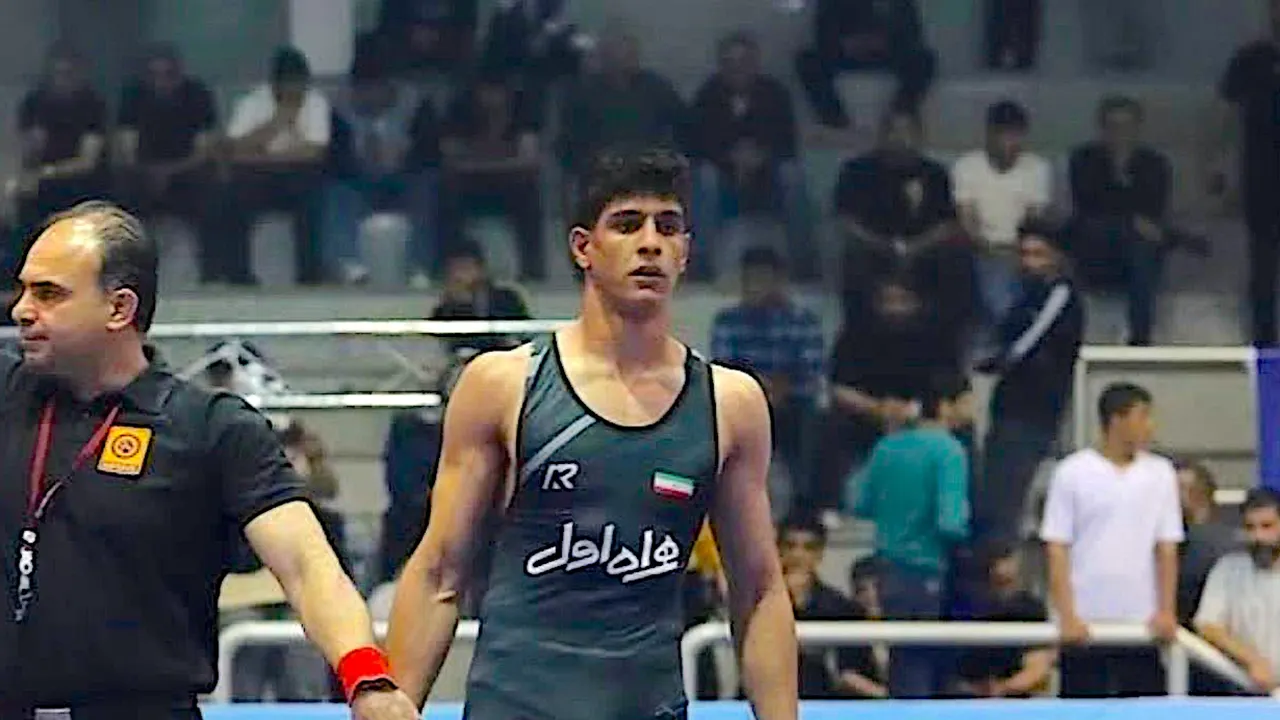
In the shadowed corners of international sports, a tragedy unfolded that shook the very foundation of athletic spirit and human dignity. On a bleak Thursday, the Iranian regime carried out the public hanging of 19-year-old Saleh Mohammadi, a talented wrestle whose life was tragically cut short amid the throes of nationwide protests. This wasn’t just an execution; it was a chilling reminder of the brutal machinery of oppression that preys on the young and hopeful. Mohammadi, along with two others—Mehdi Ghasemiand and Saeed Davoudi—faced the noose after being accused of killing police officers during the fervor of earlier unrest, as reported by Iranian American human rights activists and the judiciary-linked Mizan news agency. Imagine a teenager, fueled by passion for his sport and the yearning for freedom, stepping into the spotlight only to be extinguished in such a horrific public display. The world watched in disbelief as this young man’s dreams crumbled under the weight of a system that equates dissent with death. For many, Saleh embodied the resilience of Iranian youth, a champion who grappled not just in mats but against the invisible holds of tyranny. His story transcends sports; it’s a poignant testament to the fragility of a life full of promise, marred by fear and injustice. Sources like Iran International painted a grim picture: three men dragged to a scaffold, facing a crowd that could do nothing but witness the regime’s cold-hearted decree. This execution wasn’t isolated; it was the climax of a crackdown that has silenced countless voices. As global headlines blared the news, the silence from the athletic community felt almost deafening, amplifying the ache of loss. Saleh’s death wasn’t just a legal proceeding; it was a human sacrifice, stripping away the joy of competition and replacing it with the stark terror of state-sanctioned violence. One can’t help but picture the young wrestler’s family—his parents, perhaps, clutching photos of him in medals, their world shattered in an instant. The sorrow echoes through communities wherever freedom is cherished, turning athletes into mourners and turning sports arenas into spaces of remembrance. In this sad tale, Saleh’s execution humanizes the plight of Iranians under duress, showing how a single life, so vibrant and athletic, can become a casualty in a larger battle for autonomy. The international outcry that followed wasn’t just about condemnation; it was a collective gasp, a shared humanity weeping for a boy whose only arena should have been the wrestling mat.
Voices of Empathy from Olympia’s Heights
As the news of Saleh Mohammadi’s execution reverberated across the globe, Olympians from various disciplines stepped forward, their voices breaking the silence with heartfelt lamentations that painted a vivid picture of broken dreams and unyielding hope. Brandon Slay, a Sydney 2000 Olympic gold medal wrestler, spoke from a place of personal connection—having journeyed to Iran for competitions and hosted Iranian athletes in America. “I’ve seen firsthand the dignity and heart of the Iranian people,” he told Fox News Digital, his words tinged with genuine sorrow. To him, Saleh’s death was indefensible, a terror regime snuffing out a teenage symbol of national pride. Slay’s plea for justice was laced with spiritual solace, invoking the Gospel as a beacon against such darkness. It was as if he were extending a hand across borders, reminding us all that in the face of oppression, faith and humanity can prevail. Similarly, Tyler Clary, the London 2012 US gold medal swimmer, reflected on the irony of athletic excellence juxtaposed with barbarity. “Spending my life around athletes who represent the best of human discipline and freedom,” Clary mused, “makes this execution a brutal slap in the face to everything we stand for.” He didn’t mince words about the “sham process” that led to the gallows, urging strong leadership—name-checking President Trump as a figure who understood the regime’s malevolence. Clary’s account humanized the ordeal by evoking the camaraderie of Olympic brotherhood, where competitors from across the divide share the SAME drive for greatness. Kaillie Humphries, the three-time gold medal bobsledder for the US and Canada, echoed this disgust, calling the regime’s actions “abhorren”t and painting Mohamed as a targeted icon. “Murdering a teenager for speaking out—especially one who’s a champion—is unthinkable,” she emphasized, contrasting the freedoms American athletes enjoy, where dissent might invite online trolls but never the specter of death. Her prayers for justice weren’t abstract; they resonated with the raw emotion of someone who knows the thrill of victory and the sting of systemic failure. These Olympians didn’t just report the facts; they shared the heartache, turning their platforms into conduits for empathy, making Saleh’s story relatable even to those who’ve never set foot on a podium or wrestled in a ring.
More Champions Rise to Condemn the Injustice
The tide of outrage swelled as more athletes lent their voices to the chorus, each adding layers of personal anguish and poignant calls for change that underscored the human cost of authoritarian rule. Eli Bremer, the US modern pentathlete from the Beijing 2008 Games, expressed utter revulsion at the “depraved” leadership willing to “murder” a teenage athlete. His tribute to President Trump’s stance against Iran felt like a rallying cry, drawing parallels between the regime’s cruelty and potential threats to Americans themselves. Bremmer’s words carried the weight of someone who’s tasted the Olympics’ glory but now grieved a life extinguished far too soon, urging global action to “disarm” such monsters. Katie Uhlaender, the five-time US skeleton Olympian, delved deeper into the devastation, her heart breaking not just for Saleh but for a system that left him vulnerable. “Clear, urgent calls for action were ignored,” she lamented, her account invoking the innocence of athletes who “did nothing wrong” beyond representing their nation. Uhlaender’s vision for sport diplomacy highlighted America’s role in fostering safety—one where governing bodies are accountable, and unity trumps division. Her plea to act, not remain silent, resonated with a mother’s warmth, imagining the fears that must consume families under siege. AJ Edelman, the two-time Israeli Olympian in bobsled and skeleton, portrayed Saleh as a martyr for freedom, ruthlessly executed under a “nepotistic” regime incapable of even mundane competence. His sharp wit and sacrifice narrative added bite, framing the tragedy as proof of a “just cause” for liberation. Sardar Pashaei, the Iranian youth world champion wrestler and a non-Olympian dissident, offered an insider’s grim perspective, recounting scars from living under the regime. “This is only a glimpse of the brutality,” he warned, lamenting how sports became a tool for the Revolutionary Guards to suppress dissent, torment athletes abroad, and threaten loved ones. Pashaei’s call for immediate global intervention underscored the ongoing peril, with Saleh’s “crime” reduced to mere protest in streets yearning for freedom. Together, these testimonies humanized the execution by weaving Saleh’s memory into a tapestry of shared sorrows, from personal prayers to bold political stands, reminding readers that behind the headlines are stories of courage, loss, and an unbreakable human spirit.
The Broader Ripple Effects in Sports and Society
Beyond the immediate mourning, Saleh Mohammadi’s execution sent seismic waves through the fabric of global sports, exposing the stark disparities in freedom and the profound ethical dilemmas faced by athletes worldwide. In a world where games symbolize unity, this incident laid bare the hypocrisy of international governing bodies—organizations that preach harmony while turning a blind eye to regimes that weaponize athletics for control. Imagine the wrestling community—coaches, teammates, fans—grappling with the reality that a promising star like Saleh, perhaps just entering his prime, was extinguished for daring to dream beyond oppressive boundaries. Reports of other athletes in similar predicaments added urgency; many Iranian sports figures live in fear, their talents coerced into serving propaganda or silenced altogether. The public hanging wasn’t just a punishment; it was a theatrical display of power, designed to intimidate a populace already reeling from protests over women’s rights and economic woes. Human rights activists amplified the horror, detailing how dissenters are labeled terrorists, their fates sealed in kangaroo courts. This tragedy humanizes the Iranian struggle by putting faces to statistics—young men like Saleh, whose only aspirations were medals and respect, now martyrs in the eyes of the free world. For expatriates and dissidents, it’s a relentless reminder of scars carried across oceans, from physical intimidations abroad to family threats back home. The sporting realm, once a neutral ground, becomes a battleground where Olympic ethics clash with geopolitical realities. As nations debate sanctions and diplomacy, stories like Saleh’s compel us to confront the human element: the families scarred, the futures derailed, the communities fractured. In this narrative, athletes emerge as ambassadors of hope, their reactions not just critiques but beacons for a fairer world where no performance, no matter how stellar, invites execution. The execution’s aftermath sparks dialogues on accountability, urging reimagining sports as a force for liberation rather than subjugation—a space where Saleh’s spirit might inspire others to rise against tyranny.
Echoes from the State Department and Global Calls
The international response escalated with urgent demands from the United States State Department, which publicly called for Iran to halt executions and uphold human rights—an echo that reverberated with the athletes’ anguish. This diplomatic outcry wasn’t merely procedural; it personalized the crisis by centering on Saleh’s youth and vulnerability, framing the regime’s actions as affronts to universal decency. In statements that bled empathy, officials highlighted the dangers facing young protesters, painting a picture of a teenager whose bravery on the streets mirrored his prowess in the ring. The humanization here lies in recognizing Saleh not as a statistic but as a symbol of generational defiance—a 19-year-old whose hanging underscored the regime’s desperation to quell voices demanding change. As allies rallied, the narrative expanded to include broader freedoms denied to Iranians: from women’s suppressed rights to athletes’ coerced loyalty. Athletes who spoke out lent authenticity, their insider perspectives bridging the gap between elite competition and everyday struggles. Imagine the isolation felt by Iranian athletes abroad, torn between love for their sport and fear for their kin, as Pashaei described the Revolutionary Guards’ stranglehold. This interconnected web of oppression humanizes the tragedy, turning one execution into a mirror for systemic woes plaguing an entire society. Calls for justice grew louder, with figures like President Trump praised for his hard stance, positioning leadership as key to dismantling such evil. Yet, beneath the politics, there’s a raw emotional core—the heartbreak of families, the shattered hopes of a nation craving liberty. The State Department’s intervention signifies a global conscience awakening, urging action beyond words to protect the Salehs of the world from meeting similar fates.
Reflections on Hope Amid Despair
In the wake of Saleh Mohammadi’s execution, the world contemplates a future where such darkness is banished, driven by the compassionate resolve of those willing to humanize suffering into strength. Olympians like Slay find solace in spiritual truths, envisioning justice as inevitable, while others like Uhlaender advocate for reforms in sport diplomacy that prioritize safety. This isn’t just about mourning; it’s about transforming grief into galvanized action, ensuring Saleh’s legacy inspires freedom across borders. Humanizing this event means honoring his life—the boy who wrestled with passion, protested with courage, and paid the ultimate price for yearning to breathe freely. Families bereft, athletes united, and activists persistent—all converge in a narrative of resilience. As the Fox News feature invites listeners to absorb these stories audibly, it underscores the power of voices to bridge realities, making distant pain visceral. Saleh’s memory becomes a call to empathy, reminding us that in the arena of humanity, true champions don’t just compete; they stand for the oppressed, forging paths toward mercy and liberty.