



Seattle Kraken’s New Pride Logo Sparks Mixed Reactions in Hockey Community
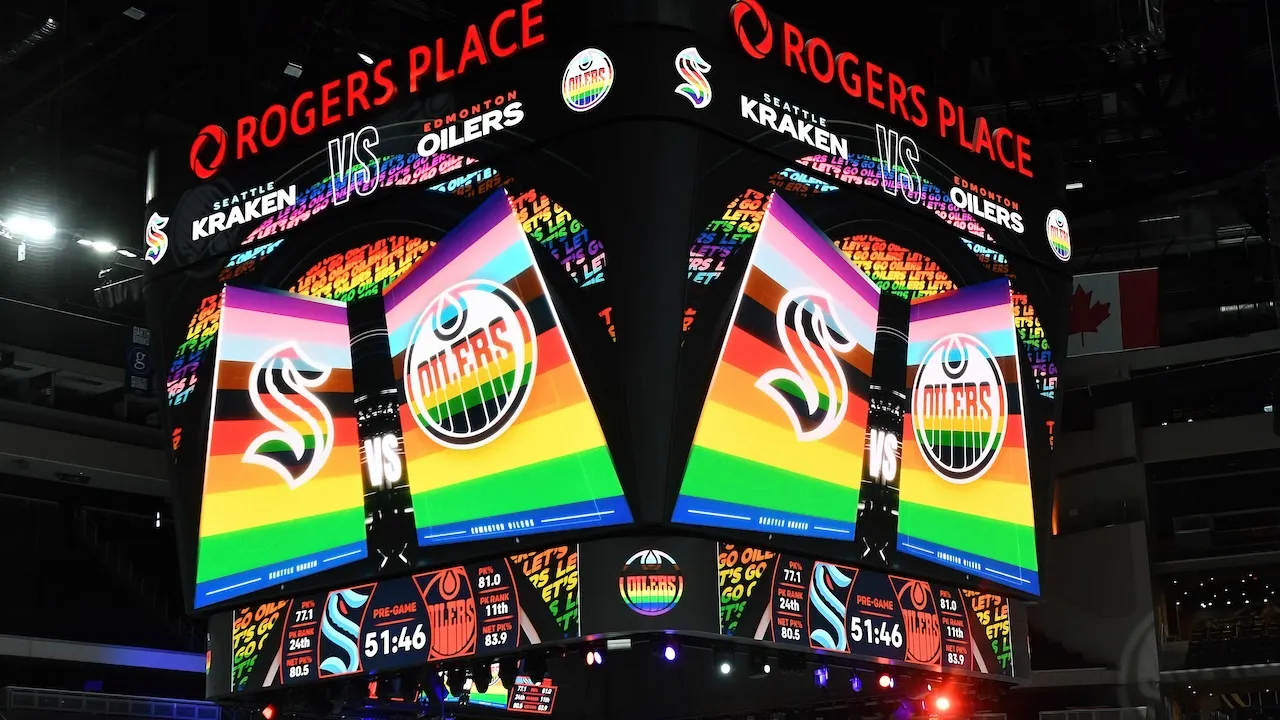
The Seattle Kraken recently unveiled their new Pride-themed logo and uniforms, triggering a wide range of responses across social media and the hockey community. The design features a vibrant rainbow unicorn artfully curved into the shape of the team’s signature “S” letter, all encompassed within a rainbow-bordered outline of their standard logo. This bold design choice arrived not during the traditional Pride month of June when many sports teams introduce LGBTQ-themed merchandise, but instead during their Pride Night event in December—a full six months earlier than most teams’ celebrations. The timing itself made a statement, as the team chose to highlight their support for the LGBTQ community during the regular hockey season rather than waiting for the designated Pride month when such gestures have become more commonplace and perhaps expected.
Social media reaction to the design was deeply divided, reflecting broader cultural tensions around LGBTQ representation in sports. Critics were quick to mock the design, with comments ranging from calling it a “humiliation ritual” for players to describing it as part of a “Woke Mind Virus” that needed to be defeated. Some detractors sarcastically referred to the team as “The Seattle Karens,” suggesting the organization was being overly sensitive or performative in its approach. These reactions mirror a segment of sports fandom that has increasingly pushed back against what they see as the politicization of sports through social justice initiatives, particularly those related to LGBTQ inclusion. The criticism reflects ongoing culture war battles that have intensified in recent years as sports leagues have become more vocal in their support for various social causes.
Despite the backlash, numerous fans and supporters praised the Kraken for their unapologetic stance and creative design. One supporter specifically noted the courage it took to maintain such visible support “in a time when many are shying from supporting the LGBTQ community in fear of retribution,” highlighting the potential commercial and public relations risks organizations face when taking clear positions on socially divisive issues. Others simply appreciated the aesthetic quality of the design itself, calling the uniforms “hard”—high praise in the world of sports merchandise where distinctive designs can quickly become fan favorites regardless of their symbolic meaning. This positive reception demonstrates that there remains significant support for inclusive initiatives within the hockey fan base, even as the sport has traditionally catered to a more conservative demographic than some other professional leagues.
The timing and boldness of Seattle’s Pride initiative take on additional significance in light of the NHL’s 2023 policy change regarding specialty uniforms. Last year, the league announced that players would no longer be permitted to wear specialty sweaters during warm-ups for themed nights—whether those themes were Pride celebrations, Hockey Fights Cancer events, or military appreciation ceremonies. This policy was later specifically updated to include Pride stick tape as well. NHL Commissioner Gary Bettman justified the change by stating that these specialty items had “become more of a distraction from really the essence of what the purpose of these nights are,” and that the league wanted to “keep the focus on the game.” The timing suggests the Kraken may be finding creative ways to express their values while navigating league restrictions, perhaps testing the boundaries of the NHL’s approach to cause-based messaging.
The controversy around the Kraken’s Pride logo is emblematic of a larger tension in professional sports between traditional approaches that aim to keep politics and social issues separate from athletic competition, and more contemporary viewpoints that see sports as an appropriate and powerful platform for social advocacy. The NHL, like other professional leagues, continues to navigate this challenging terrain, trying to balance inclusivity with the preferences of a diverse fan base. Some observers have noted that the league’s policy changes came after several high-profile incidents where individual players refused to participate in Pride night celebrations, creating media controversies that the league likely wished to avoid. The Kraken’s approach—creating a team-wide initiative rather than requiring individual player participation in wearing special uniforms—might represent an evolution in how teams approach these issues.
In the broader context of sports culture in America, the Seattle Kraken’s Pride logo represents just one episode in an ongoing conversation about representation, inclusion, and the role of athletics in social progress. While some fans continue to express a desire for sports to remain separate from social advocacy, others view teams and athletes as influential cultural institutions with responsibilities beyond entertainment. The mixed reactions to the Kraken’s unicorn logo reflect not just opinions about a design choice, but deeper divisions about what sports mean in American society and who gets to feel fully welcomed in these spaces. As professional sports leagues continue to grow more diverse both in their player populations and fan bases, these conversations—sometimes uncomfortable and contentious—will likely remain a fixture of the sporting landscape, with teams like the Kraken making clear where they stand in the ongoing dialogue about inclusion in athletics.