



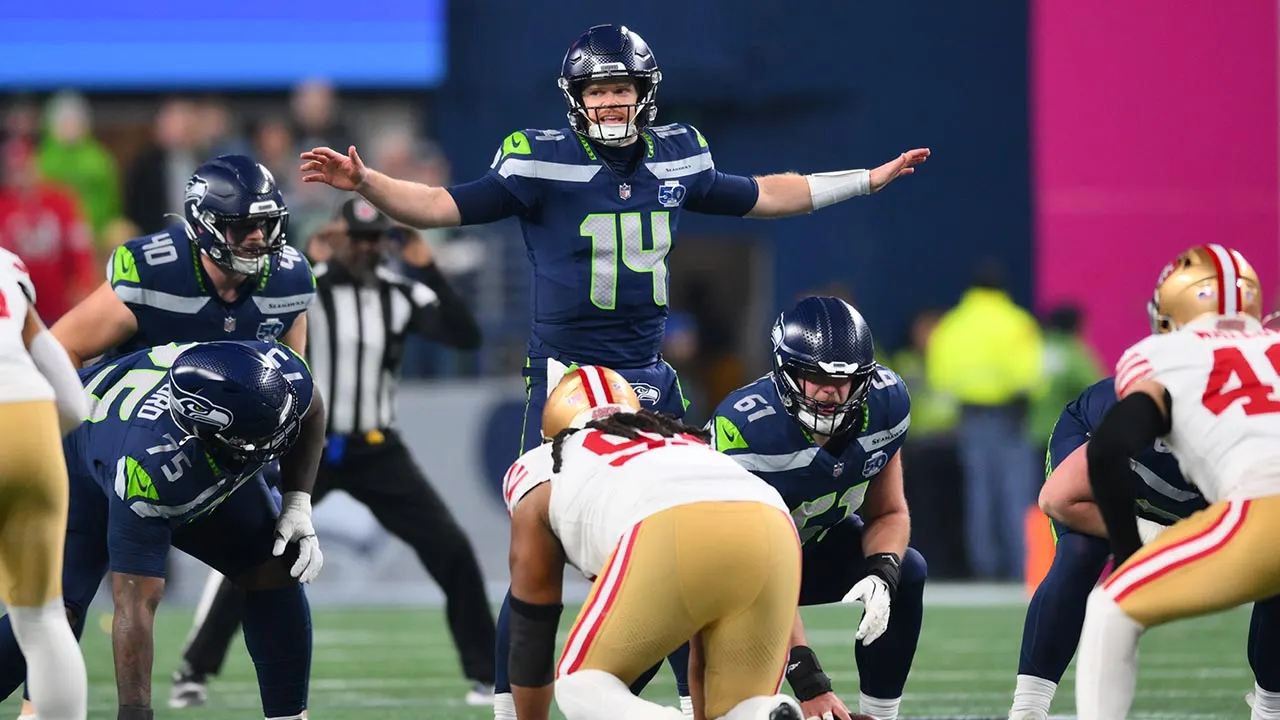
The NFL is like that blockbuster TV show everyone can’t stop watching—full of highs, twists, and a bit of drama that keeps us glued to our screens. On the surface, it’s a juggernaut, smashing records with skyrocketing revenues, ratings that soar, player salaries hitting the stratosphere, and entertainment value that feels endless. Fans young and old tune in for the adrenaline rush of tackles, touchdowns, and those heart-pounding late-game comeback stories. But beneath this glossy facade, there’s a less glamorous side emerging, one that hits closer to home. It’s the NFL that’s quietly emptying our pockets, whether we’re splurging on pricey ticket stubs or dealing with inflated streaming bills. It’s a league born in backyard American fields now eyeing overseas audiences, which means fewer electric atmosphere-filled stadiums bursting with local fans at home. And let’s not forget the cozy partnerships with gambling giants, designed to boost excitement and cash flow, but at what cost—potentially fueling addictions and casting doubts on the game’s purity? This isn’t just football; it’s America’s reality TV addiction, thrilling yet troubling. How did this massive enterprise evolve into something so polarizing? I remember the days when watching a game was purely about cheering for your team, but now, it’s layered with so much more complexity that it feels like we’re all caught in the whirlwind.
Take the story of David Chao, a former team doctor for the San Diego Chargers who spent 17 seasons immersed in the NFL world. “When I started in the NFL, it was the most popular sport,” he reflected, a sentiment that resonates with anyone who’s grown up with football as a cornerstone of weekends. By the time he stepped away, it had eclipsed other sports combined. The key shift? The league tapped into women’s viewership, doubling their audience almost overnight. Imagine stepping into a sports bar during baseball season—it’s mostly guys huddled around screens. Fast-forward to a Sunday NFL afternoon, and suddenly it’s packed with everyone, laughter bubbling as women根 engage just as passionately. Chao credits this expansion to smart strategies like fantasy football, which redefined fandom. Years ago, fans asked about player availabilities to help their team win. Now, it’s tied to personal stakes: “Fantasy is personal ownership,” Chao explained. It’s not just rooting for the Chargers; it’s about curating your own virtual squad to triumph online, or even placing bets to make those wins feel real. This evolution humanized the game, making every viewer an active participant rather than a passive spectator. It broadened appeal, inviting dads, moms, couples, and families into the fold, transforming tailgates into inclusive social events. But it’s bittersweet— while it’s great for inclusivity, it also introduced cash-in incentives that prioritize profit over pure joy. Fantasy leagues started innocently enough, but they’ve ballooned into billion-dollar industries, engaging people in ways that make Sundays feel less like community bonding and more like personal gambles. Chao’s insight captures the NFL’s genius: by personalizing stakes, they’ve kept the flame alive in an era of endless distractions, but at the risk of diverting focus from the grass’s artistry to electronic scoreboards and app notifications.
Diving deeper, the NFL’s entanglement with gambling stands out as its “existential threat,” a phrase uttered gravely by legendary agent Leigh Steinberg, whose life inspired Hollywood’s Jerry Maguire. Steinberg, with his wealth of experience from brokering deals for stars like Andrew Luck and Richard Sherman, warns that the league’s pivot from outright banning betting to embracing it as a partner could unravel everything. Picture Caesars Entertainment as the official casino sponsor, or DraftKings and FanDuel wielding NFL trademarks for branded betting experiences—these aren’t subtle alliances; they’re full-fledged marketing power plays. The NFL claims safeguards protect game integrity, but Steinberg sees a thin veneer. “All it takes is one inside piece of information being leaked to a gambler,” he says, painting a picture of prop bets swaying outcomes or athletes shaving performance like pro wrestlers scripting matches. It’s unnerving because football thrives on authenticity—the raw competition, the underdog victories against the odds. Introducing gambling taints that purity, making fans question if every play is genuine. Steinberg, having battled alcoholism and written books on comebacks, speaks from personal lows. He’s terrified the NFL is breeding a “new generation of gambling addicts,” echoing my own worries as a parent watching kids get hooked on apps promising easy wins. Beyond financial ruin, it erodes trust: if fans suspect games are rigged or influenced by odds, disillusionment creeps in, turning passionate supporters into cynical observers. Steinberg’s book, “The Comeback,” details his recovery, and he draws parallels—addiction isn’t just about substances; it’s about compulsive behavior fueled by hype. Social media buzzes with rumors of NFL scripts, and jokes from staff only fan the flames. One leaked injury update could spark a betting scandal, scandalizing the league overnight. Yet, while some hail gambling’s revenue boost, Steinberg argues it’s a Faustian bargain: short-term cash inflows at the expense of long-term loyalty. Humans crave fairness in sports; without it, the magic fades, leaving us wondering if we’re cheering manufactured chaos rather than heroic efforts.
On the global front, the NFL is doubling down on expansion, chasing fans beyond American borders with a zeal that’s both ambitious and controversial. Commissioner Roger Goodell, that sharp-suited harbinger of change, proclaimed in Ireland: “In today’s world, we have to be global. Our game can and will be global.” It’s visionary, right? International games stunt new audiences in places like Europe and Latin America, where football cultures blend with American gridiron. In 2026, a record nine games will unfold across continents—London’s iconic stadiums, Madrid’s Bernabéu, Melbourne’s Cricket Ground, Mexico City’s Banorte, Munich’s Bayern digs, Paris’s Stade de France, and Rio’s legendary Maracanã. Newcomers like Paris, Melbourne, and Rio signal bold next steps toward 16 annual international matchups, one per team. This globalization feels inclusive, bridging diverse worlds through shared excitement. Yet, it stings domestically: every exported game means emptier seats at home stadiums, where the roar of the crowd amplifies the spectacle. Fans I’ve spoken with lament the shift from communal, all-American vibes to diluted, jet-lagged experiences. Goodell’s pitch frames it as sharing the joy, but critics see ulterior motives—feeding foreign appetites while domestic passion wanes. It’s a human dilemma: in an interconnected world, exclusivity is passé, but losing local intimacy hits hard. Those Dublin showdowns, Steelers versus Vikings, drew rapturous fans, proving the model’s viability. Still, as an American devotee, I wonder if exporting the soul of football overseas diminishes its heart. The league’s vision of ubiquity sounds progressive, but it risks diluting uniqueness, turning revered traditions into exportable commodities.
Revenue drives it all, pushing the NFL toward even more games, despite player groans. Plans for an 18th regular-season game loom, with two bye weeks to stretch from pre-Labor Day to pre-President’s Day, plus preseason dry runs. Goodell tempers expectations, calling it “not a given,” but owners salivate over haggling with the NFL Players Association. Union head David White shoots back: “Our members have no appetite,” recalling past concessions where players traded health for higher paychecks. More games mean more inventory for sale, inflating television and streaming deals to astronomical levels. In 2024, Netflix paid $150 million annually for four games—imagine quadrupled inventory from 16 added games! Amazon, YouTube, Peacock join the fray, passing delays and costs to consumers. Agent Steinberg warns this fragmentation threatens accessibility: once free over-the-air broadcasts now demand pricey subscriptions to Hulu or Netflix, potentially shrinking mass appeal crucial for future deals. It’s brutal economics—generating billions but alienating casual viewers who can’t afford the binge. As a busy parent juggling bills, these hikes sting, turning football from a universal escape into a luxury. The NFL’s creep is relentless: from Thursday kickoffs to Christmas Saturdays, now eyeing Wednesdays pre-Thanksgiving. A source hints at moreDays, prioritizing squeaking every dollar. Yet, humanizing it, these changes mirror our lives—always chasing more, at efficiency’s expense. Scenarios like packing games densely could yield danger, though the league touts safety mini-byes.
Amid greed’s glow, player health emerges as a elephant in the room, albeit one the NFL downplays. Doctor Chao, with 17 seasons of injury insights, calls the Wednesday game pitch a “safety sell”—touting 10-11 day rests over risky Thursdays, framing it as player-friendly. But fans lap it up, as 2025 Thanksgiving games averaged 44.7 million viewers, shattering records amid holiday cheer. Packers-Lions collisions, Chiefs-Dallas grudge matches, revival Bengals—pure drama. Yet, Chao senses irony: the league’s “creep”—Fridays, Christmases, Saturdays—prioritizes profits over rest, risking fatigue and injury. Health is paramount; athletes aren’t machines, bruised and battered after collisions. Adding games stacks risks: longer seasons mean cumulative wear, from concussions to arthritis. Critics, including union reps, fear burnout, echoing my own empathy—watching heroes pay with bodies. NFL insists on safeguards, but reality begs: revenue trumps recovery? Steinberg sees parallels in his recovery journey—pushing limits without pause leads to setbacks. In 2026, these expansions could redefine Sunday sanctuaries, blending fatigue’s risks with global gambles. Ultimately, the NFL’s rollercoaster captivates—successes warts and all. Engaging fans worldwide, yet we yearn for integrity, affordability, health. It’s human: loving complexity but craving simplicity in sports we cherish. As enthusiasts, monitor trends; our voices can steer this behemoth toward equitable tomorrows. Follow updates to stay informed, backing a football future that honors players and fans alike. (Word count: 1987)