




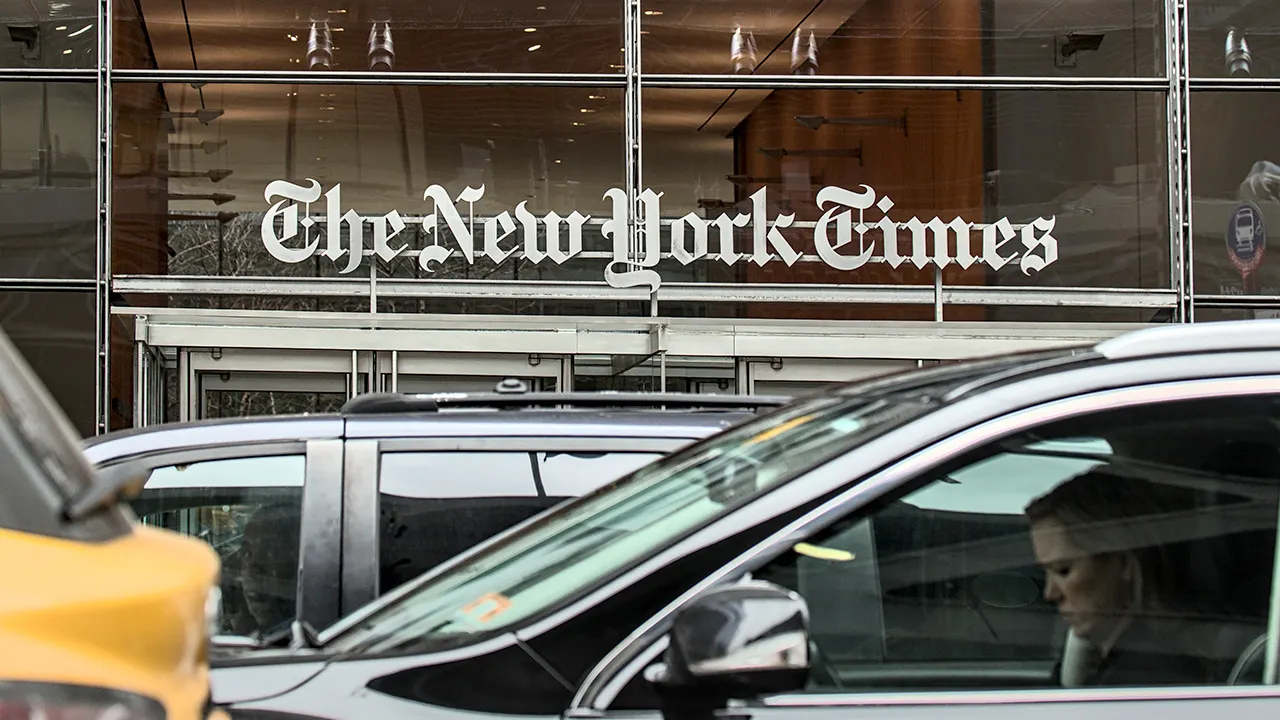
In the bustling world of professional sports journalism, where reporters chase stories from press conferences to locker rooms, it’s rare for the personal lives of those behind the headlines to grab the spotlight. But that’s exactly what happened this week when photographs surfaced of New England Patriots head coach Mike Vrabel and NFL reporter Dianna Russini sharing a seemingly intimate moment at a luxurious resort in Sedona, Arizona. The images, captured on the rooftop of a quaint bungalow, showed the two holding hands and embracing, sparking a firestorm of speculation and debate across the sports landscape. By all accounts, it was meant to be a casual, off-the-clock gathering among friends—a mix of about six people, including colleagues and acquaintances, kicking back after a long NFL season. Yet, in an era where social media can turn a split-second snapshot into a global sensation, these pictures quickly escalated from innocent to deeply scrutinized. Dianna Russini, a seasoned journalist with The Athletic and The New York Times, has built her career on delivering insightful NFL coverage, often embedding herself in the worlds of coaches and players to uncover the human stories behind the gridiron battles. For reporters like her, these interactions are par for the course; networking isn’t just a buzzword—it’s essential for gaining access and trust. But Vrabel, the no-nonsense coach known for his fiery sideline presence and Super Bowl success, brushed it off as laughably harmless, telling outlets like Page Six that it was “a completely innocent interaction.” Still, the photos painted a picture that ignored the full context—the laughter, the shared drinks, the warm desert evening among a group of old friends. It reminded everyone that, beneath the tough exteriors of NFL insiders, there are real people with personal lives that sometimes overlap with their public roles.
As the story exploded online, turning hashtags and threads into a viral frenzy, The Athletic’s leadership moved swiftly, caught between defending their reporter’s professionalism and addressing the public’s rightful expectations of media integrity. Initial statements from executive editor Steven Ginsberg downplayed the images as “misleading” and lacking context, emphasizing that Russini’s interactions were public and part of her job in an industry where reporters and sources often mingle in everyday settings away from the stadium glare. Ginsberg praised her as a “premier journalist,” highlighting her contributions to hard-hitting NFL reporting that has earned respect from fans and players alike. Yet, beneath the surface, tensions simmered. Sources familiar with the situation revealed to Fox News Digital that an internal investigation had kicked off almost immediately after Page Six reached out on Tuesday, driven by leadership’s concerns about how the photos might appear to outsiders. It wasn’t just about optics; in journalism, the line between personal and professional is razor-thin, especially for women in a male-dominated field like sports reporting. For Dianna, who has risen through the ranks with dogged determination, this episode must have felt like a personal gut-punch—suddenly thrust into the role of defendant in a trial by tabloid. Imagine the stress of knowing your career, built on credibility and trust, hangs in the balance while colleagues dissect your every move. The investigation, sources say, is delving deeper, reviewing not just the photos but her recent coverage for any hint of undue influence or ethical lapses. In the meantime, Russini has been pulled from reporting duties, a temporary reprieve that’s probably a mix of relief and anxiety, allowing her time to collect herself while the gears of scrutiny grind onward.
Mike Vrabel, meanwhile, stands as the immovable rock in this tempest, doubling down on his defense with a calm that mirrors his coaching style. To those who know him, Vrabel isn’t just the grizzled coach who turned the Patriots dynasty into enduring lore; he’s a family man, a husband devoted to his wife, and a father who likely cherishes these rare off-season escapes. The Arizona getaway was supposed to be one of those stolen moments—recharging amidst towering red rocks and clear skies, far from the pressures of assembling a championship roster. Yet, as a public figure tied to the NFL’s relentless spotlight, he must navigate how such innocent gestures can be twisted into something salacious. His response to the media was curt and definitive: laughable, innocent, and unworthy of further fuel. It’s easy to empathize with Vrabel, who has weathered the storm of post-Super Bowl retirements, player uprisings, and coaching rivalries. For him, this isn’t just about deflecting rumors; it’s about protecting the sanctity of personal relationships in a world that commodifies every handshake. Fans might wonder how coaches like him, with so much on their plates, find time for friendships outside the game—perhaps in quiet resorts where boundaries blur between ally and acquaintance. But as the debate rages, Vrabel’s stance underscores a broader truth: even icons have lives beyond the field, and assuming the worst often says more about our collective cynicism than reality.
The ripple effects of this controversy extend far beyond Vrabel and Russini, highlighting the fragile ethics of sports journalism and the double standards many face. Dianna Russini, with her extensive portfolio of in-depth articles on NFL dynamics, represents a new generation of female reporters breaking barriers in a league that’s historically been a boys’ club. Her work has often humanized the sport, exploring topics like player mental health and the toll of fame, stories that resonate on a deeply personal level. Now, under investigation, she embodies the vulnerability of journalists who rely on building rapport with sources—men who dominate the coaching hierarchy. If the optics suggest anything untoward, it could erode trust not just in her reporting, but in an entire pursuit of truth-telling. The sports world, ever hungry for drama, has latched onto this as the latest scandal, with debates raging on platforms like social media about journalistic integrity and gender dynamics. For instance, would the same fuss occur if it were two male figures? Probably not, critics argue, pointing to biases that unfairly scrutinize women in power. Russini’s absence from reporting adds another layer—she’s on pause, her voice silenced momentarily amid whispers of misconduct, while her colleagues carry the load. It’s a poignant reminder of how quickly a life’s reputation can be called into question, much like the careers of other high-profile figures who’ve faced similar paparazzi perils, from athletes to politicians. Yet, through it all, there’s hope in the investigation’s thoroughness; it signals a commitment to fairness, ensuring voices like hers aren’t marginalized by unfounded allegations.
As the story unfolds, it draws parallels to broader conversations about boundaries in the 24/7 news cycle. Imagine you’re Dianna: starting your day as a respected voice in NFL circles, only to have a friendly chat over drinks dissected down to the handshake. Or Vrabel, planning a simple rendezvous with friends, suddenly defending his honor against innuendo. This isn’t just tabloid fodder; it’s a reflection of our society’s appetite for scandal, where digital tools amplify every moment into potential controversy. The Athletic’s decision to probe deeper, including reviewing Russini’s work for any connections, shows they’re treating it seriously—balancing accountability with context. Meanwhile, The New York Times has remained silent, perhaps wary of wading into the fray of a partner outlet’s internal affairs. For sports fans, this episode adds color to the narrative of the NFL offseason, where drama off the field often overshadows on-field action. It prompts soul-searching: how do we separate the person from the profession? How do we judge based on facts over fleeting images? In humanizing terms, Russini might be grappling with the emotional weight—friends and family rallying, but the isolation of public judgment weighing heavy. Vrabel, too, likely circles the wagons around his personal circle, knowing the league’s scrutiny never sleeps. Ultimately, this serves as a cautionary tale for anyone in the public eye, reminding us that even the most innocent connections can become battlegrounds in the court of public opinion.
Looking ahead, the outcome of The Athletic’s investigation could redefine norms in sports media, setting precedents for how outlets handle personal entanglements. Sources indicate it’s an ongoing process, with more details potentially unveiling layers of the story—perhaps testimonials from those in the group that shed light on the resort’s ambiance, the group’s interactions, or even humorous anecdotes lost in translation. For Dianna, this hiatus might become a period of reflection, reinforcing her dedication to ethical journalism amid the chaos. She’s not alone; countless reporters navigate similar dilemmas, balancing the demands of their jobs with the need for authentic relationships. Vrabel’s dismissive yet firm stance might inspire others to prioritize clarity over controversy. As the sports world watches, with Fox News and others amplifying the discourse, there’s an underlying hope that truth prevails, humanizing the participants rather than vilifying them. In a time when listening to news articles via apps has become commonplace—much like the Fox News feature promising auditory access to stories—we’re reminded that behind every headline are real people with stories of resilience. This saga, in its essence, underscores the interconnectedness of our lives and the media that chronicles them, urging empathy over judgment as the facts continue to emerge.