

The Heart of College Football: Dreams, Ambitions, and a Shaky System
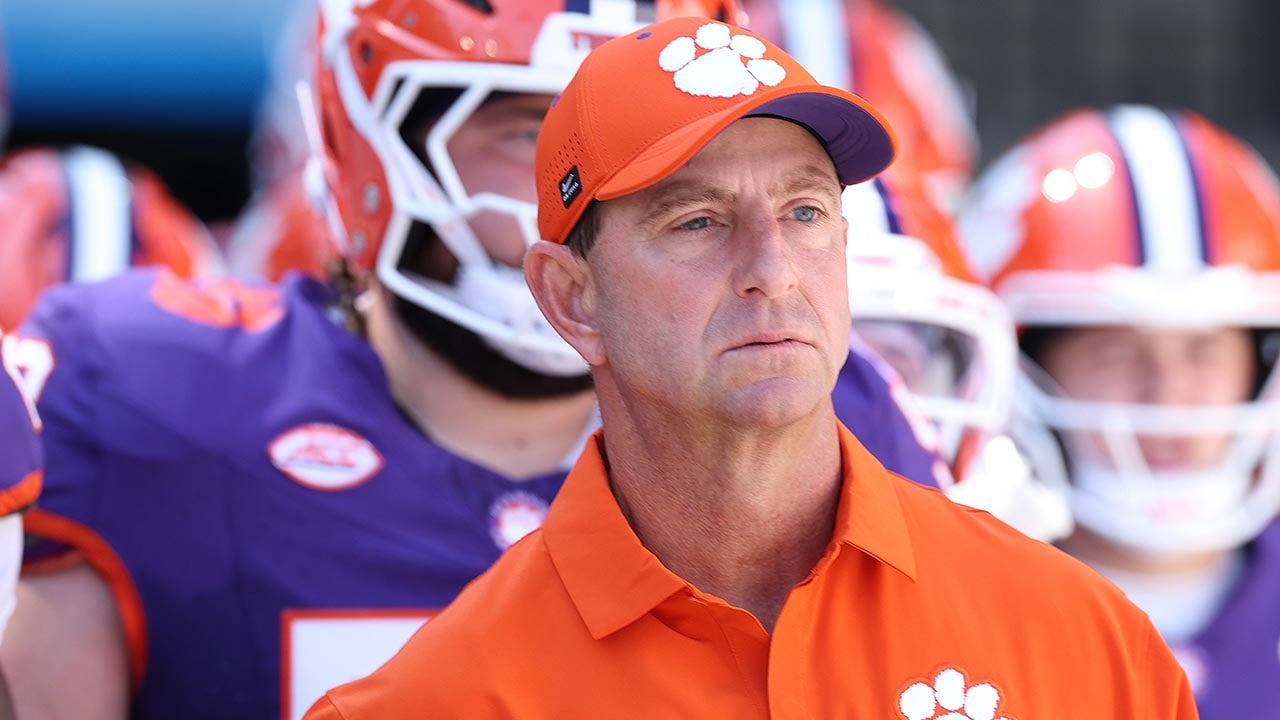
Imagine the thrill of college football, where young athletes chase glory on pristine fields under Friday night lights, building bonds with teammates and coaches that last a lifetime. But behind the spectacle, there’s a raw underbelly—this transfer portal, a modern wildcard that lets players jump ship at the drop of a hat. Just last week, the Indiana Hoosiers clinched a victory over the Miami Hurricanes, capping off a competitive season. Yet, the real buzz centered on something more unsettling: the shadowy world of player recruitment and the accusations flying from Clemson Tigers head coach Dabo Swinney. He’s not just venting; he’s painting a picture of a sport teetering on the edge, where the rules that once kept things fair are bending and breaking. In a candid news conference, Swinney warned of a “broken system,” his voice cracking with frustration. It’s not just about wins and losses; it’s about the integrity of a game that shapes the lives of these kids, many of whom come from humble beginnings, dreaming of turning college into a springboard for the NFL. For Swinney, a two-time national champion who’s seen it all, this feels personal—like watching a beloved tradition unravel.
Swinney’s alarm bells rang particularly loud over Ole Miss head coach Pete Golding’s alleged entanglement with Clemson’s star linebacker, Luke Ferrelli. Picture this: Ferrelli, a highly coveted recruit, had committed to Clemson after visiting rivals. He even enrolled, started classes, and seemed set for the Tigers’ storied program. But whispers from the sidelines turned into a storm. Swinney shared details of unauthorized contacts from Ole Miss, painting Golding as someone aggressively pushing Ferrelli’s name into the transfer portal. “This is a whole other level of tampering,” Swinney thundered, his words echoing the hypocrisy he sees in coaches bending rules for an edge. It’s easy to empathize with Ferrelli here—a young man torn between loyalty to a program that invested in him and the allure of fresh opportunities. On January 15, he requested entry into the portal, his sights on transferring to Ole Miss. The next day, Clemson fired off a formal complaint to the NCAA, calling out “blatant” tampering. As of Friday, Clemson AD Graham Neff hinted at legal repercussions, saying “I’m not trying to get anybody fired, but when is enough enough?” It’s a human drama where careers hang in the balance, and the adults— the coaches and administrators—are supposed to guide these kids, not exploit their ambitions.
The NCAA isn’t sitting idle; they’ve jumped into investigation mode, contacting Clemson and pledging full cooperation. Vice President of Enforcement Jon Duncan issued a statement: “The NCAA will investigate any credible allegations of tampering and expect full cooperation from all involved as is required by NCAA rules. We will not comment further on any ongoing investigation.” This official stance feels like a breath of accountability in a whirlwind of chaos, but it leaves fans and followers wondering if it’ll lead to real change. Swinney minced no words about the fallout. Unchecked tampering sends a dangerous message to future generations of players—young men already navigating immense pressures, from academic demands to physical tolls. “This is not about a linebacker at Clemson,” he stressed, his voice layered with paternal concern. “I don’t want anyone on our team that doesn’t want to be here. But it’s about the next kid and the next kid and the message that’s being sent with just blatant tampering being allowed to happen without consequences.” It’s a sentiment that resonates deeply; college football isn’t just a game—it’s a pathway to better lives for so many, and without governance, it risks becoming a free-for-all where rules mean nothing, turning talented athletes into pawns in a bigger game.
Zooming out, this incident highlights broader flaws in the college football landscape. The newly adopted 15-day transfer window for FBS and FCS athletes, including graduates, opens right after the College Football Playoff quarterfinals—with exceptions for coaching changes. Swinney advocates shifting this window to spring, envisioning something akin to NFL offseason team activities (OTAs) where schools build depth organically. He also pushes for limits on “free transfers,” arguing that too much mobility dilutes team chemistry and disrupts the developmental arc that turns college kids into pros. In a sport where player rosters can flip like a coin, the proposed changes aim to foster stability—giving coaches time to mold teams without constant fear of defections. It’s a plea for structure in an industry that’s exploded with records: over 4,900 FBS players and more than 3,200 FCS student-athletes hit the portal this year alone. Each of these kids is a story—families uprooted, dreams reprioritized, all amid the cutthroat pursuit of success. Swinney’s rally cry “shame on the adults if we’re not going to hold each other accountable” nails the empathy angle, reminding us that these aren’t just players; they’re young adults deserving of a fair shot in a system that’s supposed to uplift, not exploit.
Attempts to get Ole Miss’s side of the story drew silence, with their athletic department not responding immediately to Fox News Digital’s inquiries. This lack of rebuttal only fuels the intrigue, leaving supporters and critics alike dissecting the motives. Was it genuine interest in talent, or aggressive poaching that crossed lines? For Ferrelli, it seems the draw of Ole Miss proved too strong, illustrating how seductive outside voices can sway even committed recruits. It’s a narrative familiar to sports fans: the allure of greener pastures, fueled by promises of playing time, better facilities, or championship pedigrees. Yet, it strips away the loyalty that once defined collegiate athletics, where players wore one jersey from freshman year to graduation. Swinney’s indignation stems from a place of passion for the game he loves—having led Clemson to two national titles, he knows the value of perseverance over shortcuts. This humanizes the larger issue: tampering isn’t just rule-breaking; it’s a betrayal of trust that erodes the sport’s soul, where teamwork and dedication should triumph over individual whims.
Ultimately, this saga invites reflection on what college football represents in American culture—a melting pot of grit, community, and upward mobility. Swinney’s outspokenness might spark reforms, but it also shows the high stakes for everyone involved: players risking careers, coaches defending territories, and administrators grappling with a system outpacing its guardrails. As the portal window edges closer post-quarters, the season’s end looms with anticipation—and trepidation. We’re reminded that behind every touchdown and turnover are real people with hopes, fears, and families counting on them. In a world where sports echo life’s unpredictability, Swinney’s call for consequences underscores a universal truth: without accountability, even the most cherished games lose their heart. It’s a story of ambition clashing with ethics, and in humanizing these events, we see not just athletic stars, but young men chasing destinies in a game that’s bigger than any one team or transfer. Follow Fox News Digital’s sports coverage on X for more updates, and subscribe to the Fox News Sports Huddle newsletter to stay in the loop on these evolving tales. So, what happens next? Will the NCAA deliver justice, or will the portal continue reshaping the landscape unchecked? Only time—and perhaps a few more courageous voices—will tell.