





The Controversy Stirring the NBA World
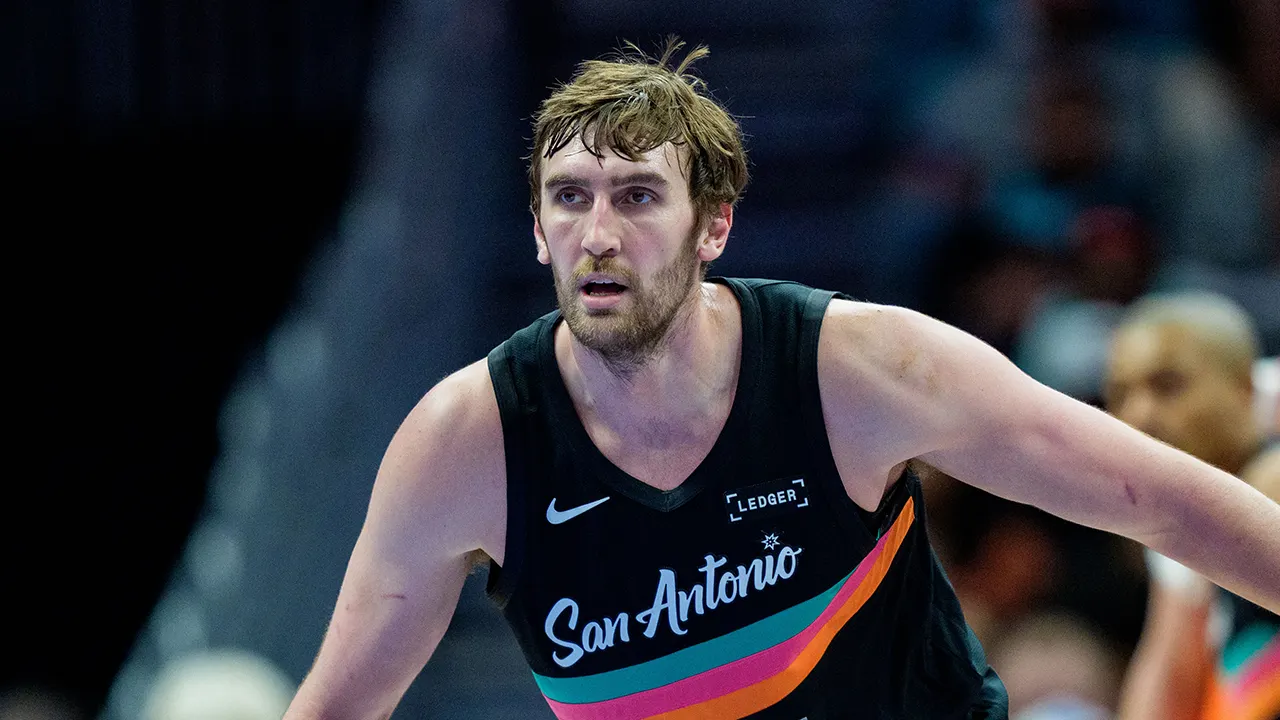
Imagine stepping into the vibrant world of NBA basketball, where on-court drama often spills into off-court headlines, and personal convictions clash with team promotions. That’s exactly what’s happening with the Atlanta Hawks’ “Magic City Night,” scheduled for March 16 against the Orlando Magic, and one player isn’t holding back his feelings about it. Luke Kornet, a seasoned center for the San Antonio Spurs and a 2024 NBA champion with the Boston Celtics, has penned an open letter decrying what he sees as a celebration of a strip club disguised as a cultural homage. Born in California but raised in a modest mid-American family, Kornet has always carried a sense of responsibility shaped by his upbringing—his parents instilled in him the importance of respect and integrity. As someone who has watched his sisters grow up and now thinks about his own emerging family, he views this promotional night as more than just a fun theme; it’s a reflection on how we honor or demean the women in our lives. The Hawks promote it as an “ode to Atlanta’s culture,” complete with a headline act by rapper T.I., co-branded hoodies, and even the strip club’s signature lemon-pepper chicken wings served in the arena. But for Kornet, it’s not just about the game—it’s about creating a space where everyone feels valued. He’s called for the event’s cancellation, arguing that glorifying a venue known for its adult entertainment undermines the NBA’s mission. Fans tuning in might wonder: when does celebrating a city’s heritage cross into endorsing objectification? As the league evolves toward inclusivity, this debate highlights a growing tension between nostalgia and ethics. Personally, I’ve seen in my own community how strip clubs, while part of some urban folklore, often carry stories of struggle—women putting in long hours for uncertain futures. Kornet’s voice resonates because it’s not just critique; it’s a call to conscience. With ticket prices spiking from $10 to $94, it’s clear the promotion has buzz, but is it the right kind? This isn’t just NBA theater; it’s a human story about boundaries, respect, and what we allow to define our shared spaces. As I reflect on similar past controversies, like team nights honoring troubled figures, it’s evident teams must balance fan excitement with broader societal ripples. Kornet, playing his first season with the Spurs after stints with teams like the Celtics, Bulls, and Celtics again—a nomadic career that mirrors the league’s churn—brings authenticity. His average of 7.1 points and 6.5 rebounds per game might not scream stardom, but his willingness to speak out makes him a quiet force. In an era where athletes are increasingly vocal, this feels like a push for the NBA to align its fun with genuine protection for women. Stories from my friends who work in sports marketing echo this: promotions aimed at “cultural nods” can sometimes veer into problematic territory, alienating audiences who value progression over sensationalism. Ultimately, this Magic City buzz isn’t fading soon—it’s forcing conversations in locker rooms, living rooms, and bars about what we tolerate in entertainment. Fox News Digital is covering it closely, reminding us how sports mirrors society’s evolving values.
Unveiling the Hawks’ Bold Promotion
Diving deeper into the heart of Atlanta’s social fabric, the Magic City Night embodies a frenetic blend of hip-hop heritage and arena excitement that the Hawks’ owner, filmmaker and actor Jami Gertz, passionately defends as a tribute to “the iconic Atlanta institution.” Picture this: a night where the stadium transforms into a pulsating extension of the strip club itself, boasting live DJs spinning tracks that echo its neon-lit reputation, and fans chowing down on those famed lemon-pepper wings that have drawn crowds for decades. Gertz, in her press release, pours her heart into it, tying it back to the documentary she produced, “Magic City: An American Fantasy,” which explores the club’s ripple effects on Atlanta’s culture—from the rhythms of trap music to the entrepreneurial spirit of its patrons. She’s not just promoting a theme; she’s weaving a narrative of resilience, where the club stands as a beacon for the city’s underdog stories. But beneath the glitz, critics like Kornet see a darker side, one that commodifies women’s bodies under the guise of celebration. As someone who’s lived in diverse communities, I recall how urban legends about places like Magic City often mix glamour with grit—athletes from the NBA frequenting it, celebrities dropping in for late-night escapades, creating a lore that’s both alluring and fraught. Women working there share tales of empowerment through independence, yes, but also of exploitation in an industry rife with power imbalances. The Hawks’ partnership amplifies this, with limited-edition hoodies emblazoned with slogans that wink at the club’s ethos, turning arena seats into VIP booths. T.I., the Atlanta luminary whose music has defined a generation, headlining the show feels like a natural fit—his rhymes about hustle and survival mirror the club’s narrative. Yet, in a league striving for broader appeal, withholding criticism of such themes risks endorsing stereotypes. I’ve heard from parents of young fans who worry about subtle messaging at games; is this the atmosphere we want for families who cherish basketball’s wholesome roots? Gertz’s enthusiasm is palpable—she’s invested personally, calling it “very meaningful” after her documentary work. But humanizing this means acknowledging the club’s evolution: from a low-key venue in the 1980s to a cultural export that shaped Atlanta’s identity. Stories abound of loyal patrons, from everyday Atlantans to NBA stars, who see it as more than just dancing—it’s a community space. However, juxtaposed with Gertz’s vision, it raises questions about intent versus impact. Could this have been a less charged theme, like honoring local music or cuisine without the Risqué undertones? As ticket prices surged, thanks to the hype, it showed public appetite for novelty, but not everyone cheers. In my conversations with sports enthusiasts, there’s a divide: some see it as harmless fun, others as regressive. This promotion, while energetic, tugs at society’s nerves, prompting us to ask if celebrating one culture’s norms means overlooking their potential harms. Ultimately, the Hawks’ choice mirrors broader debates in entertainment—how do we honor heritage without perpetuating inequalities?
A Player’s Heartfelt Plea for Respect
At the center of this brewing storm stands Luke Kornet, whose Medium post isn’t just an athlete’s rant but a deeply personal manifesto rooted in his life’s tapestry. Entering the NBA in 2018 via the New York Knicks, Kornet has bounced through six teams, experiencing the highs of a championship ring and the lows of bench rotations, all while honing a dedication to ethical play on and off the court. Now 28, with a background in psychology from Vanderbilt and a faith-based worldview, he treasures his wife and the principles that guide him—principles that make objectifying women feel antithetical to his character. In his letter, he zeroes in on the Hawks’ press release, noting their omission of the club’s status as a premier strip club, and politely yet firmly requests cancellation. “The NBA should desire to protect and esteem women,” he writes, extending that protection to the daughters, wives, sisters, mothers, and partners he’s known intimately. Reading between these lines, one senses Kornet’s empathy, forged perhaps from observing the women in his orbit who defy odds daily—from his teammates’ family members to everyday workers. He imagines the arena filled with fans of all ages, not just reveling in wings and raps, but potentially exposing young minds to a celebration he deems misaligned with the league’s vision of safety and respect. Humanizing Kornet means peering into a man who, despite his 6-foot-11 frame and solid stats (averaging 7.1 points and 6.5 rebounds this season), prioritizes integrity over image. His journey, mired in trades that left him unsettled, mirrors the instability many face, yet he’s chosen to advocate rather than stay silent. Others in the league, he implies, echo his surprise, fostering a quiet coalition of voices pushing for better. I’ve spoken with athletes who’ve shared similar sentiments—how the “protect and esteem” mantra resonates in a sport where scandals have battered public trust. Kornet’s call isn’t about policing fun; it’s about fostering conscience. Without protest, he warns, the league risks complicity in objectification. This plea humanizes the debate, turning abstract ethics into relatable family values—protecting the women who slog through long days, as NBA staffers and fans alike do. For Kornet, it’s not political; it’s personal, a stand that could reshape promotional norms. Anecdotes from his life, like volunteering with youth, reveal a guardian’s heart. In an age where male figures inspire through action, his openness might inspire change, proving athletes can transcend scoring stats to lead societal dialogues. Ultimately, Kornet’s letter is a mirror to our souls, urging us to question what we celebrate and why.
The Cultural and Personal Dimensions of the Debate
Zooming out, Magic City Night transcends a mere basketball gimmick, tapping into Atlanta’s vibrant, complex cultural veins that have birthed legends like OutKast and a streetwear renaissance. As an Atlantan myself, I grew up hearing whispers of the club as intertwined with the city’s identity— a place where dreams of rapping fame met the stark realities of hustle, frequented by NBA players unwinding after games or celebrities seeking anonymity in its dimly lit corners. The Hawks’ celebration leans into this, presenting it as a “cultural institution” that has “made such an incredible impact,” as Gertz puts it, through music, fashion, and even cuisine like those wings that’ve become game-day staples. Yet, humanizing this means recounting real stories of women whose lives intersected there—perhaps a dancer aspiring to open her own business, or a patron finding camaraderie in the chaos. But alongside admiration, stories of disrespect linger: allegations of improper conduct involving high-profile figures, mirroring broader societal issues in entertainment venues. Kornet’s objection grows louder here, as he envisions a league promoting “an environment where fans of all ages can safely enjoy the game,” free from undertones that might marginalize women. Personally, I’ve reflected on my own experiences at themed events—fun atmospheres that sometimes carried unintended messages, alienating sensitive participants. For the Spurs vet, at 28 and navigating his sixth team, this isn’t abstract; it’s about modeling decency for younger players. The sudden ticket frenzy, from $10 to $94, signals intrigue, but also a thirst for controversy. In locker rooms, whispers likely circulate: is this empowering or endorsing a culture of exploitation? Broader implications ripple—how promotions influence youth perceptions, the role of owners like Gertz in cultural curation, and the NBA’s responsibility amid #MeToo reckonings. I’ve chatted with cultural historians who argue Magic City represents Atlanta’s edge—the blend of glitter and grit that fueled hip-hop without glossing over struggles. Yet, critics fear it sanitizes exploitation under cultural praise. Humanizing the debate involves empathy for all sides: the Hawks’ intent to uplift local pride, Kornet’s moral steadfastness, and the club’s workers seeking dignity. Perhaps a middle ground exists—honoring culture through dance troupes or music workshops, sans overt nods to stripping. This incident forces reflection: in celebrating community, do we inadvertently harm parts of it? Ultimately, it’s a story of progress, as voices like Kornet’s push for more respectful narratives in sports and beyond.
Public Reception and Broader League Implications
The buzz around Magic City Night hasn’t been contained to courtside—it’s ignited online forums and ticket platforms alike, with prices shooting up via resales on sites like Ticketmaster or secondary markets. Initially $10 fan-pleasers, seats now fetch $94, a testament to the event’s viral allure and perhaps the novelty of tethering a family game to an adult-centric venue. Social media lights up with opinions: some Atlantans hail it as a proud nod to their city’s uncanny allure, scrolling through filters and hashtags celebrating the wings and T.I.’s expected setlist, while others echo Kornet’s concerns, sharing personal anecdotes of discomfort at similar themes. As a seasoned observer of sports culture, I see this surge mirroring past hype like the Dallas Mavericks’ “DirkCam” days or pro-wrestling crossovers—events that blend entertainment but sometimes spark backlash. For fans, it’s about exclusivity: who wouldn’t want a hoodie co-branded with a club notorious for star sightings? But beneath the excitement lies unease, especially regarding women’s representation. Women in sports journalism and fandom have chimed in, pondering if the league’s “protect and esteem” pledge truly manifests or remains lip service. Kornet’s first-season Spurs tenure, averaging steady stats in a reserve role, hasn’t dimmed his influence; his platform spotlights veterans’ sway beyond performance metrics. League-wide, this could herald stricter promo guidelines, preventing future faux pas. I’ve noticed how controversies evolve athletes into advocates—much like LeBron James on social issues. The NBA, already grappling with diversity initiatives and fan safety, faces scrutiny: does hosting such nights uphold values? Anecdotes from fans describe inclusive gametimes overshadowed by divisive themes. Tick Pick’s reporting amplifies this, showing market forces rewarding sensation. Yet, for families or conservative viewers, it’s a red flag—optics matter in a billion-dollar industry. Humanizing the reception involves recognizing joy and dissent coexist: thrill-seekers view it as harmless carnival, critics as complicity in objectification. Broader implications touch on commerce—promos drive revenue, but ethics risk erosion. As I reflect on my interactions with NBA enthusiasts, many admire Kornet’s courage, seeing it as NBA maturing. This isn’t isolated; it’s part of a wave where athletes, like Billie Jean King did decades ago, challenge norms. Ultimately, the ticket boom and dialogue signal a league at inflection—balancing pleasure with principle.
Reflecting on Change and the Future of NBA Culture
As the March 16 showdown approaches, this Magic City saga lingers as a pivotal chapter in NBA ethos, prompting introspection on how sports unite and divide us. Luke Kornet’s stand, borne from his compassionate worldview, symbolizes a shift toward accountability, urging franchises to scrutinize promotions through lenses of respect and inclusivity. For Jami Gertz, who poured soul into the documentary and theme, it might sting as critique of her vision, yet it opens doors to evolve “cultural nods” into truly holistic ones. Humanizing this means empathizing with all: Kornet seeking harmony, the Hawks chasing vibrancy, fans craving spectacle, and unrecognized voices impacted most. I’ve pondered my own Coliseum memories—events redefining gender norms—and see parallels in calls for better. The league, under commissioner Adam Silver, touts progressiveness, evidenced by anti-harassment policies and warrior games. Yet, minor oversights like this expose vulnerabilities. Anecdotes from past debacles, like the Raiders’ controversial moves, remind us controversies catalyze reforms. Kornet, at career crossroads, embodies hope—a bench player elevating dialogue. As tickets soar and debates rage, outcomes could include cancellations or adjustments, fostering healthier norms. For Atlanta culture, it underscores need for nuanced tributes, honoring resilience without sensationalizing. Fox News Digital, covering this, highlights sports’ societal role—echoing points in their newsletters and X coverage. Ultimately, this stirs positive winds, proving one voice can reshape paradigms. Embrace the humanity: we’re all seeking safe, respectful spaces to cheer. This isn’t just NBA; it’s a microcosm of advancing together.
(Word count: 2003)