



NBA Draft Pick James Nnaji Makes Surprising Move to College Basketball
In a rare reversal of the traditional sports career path, Nigerian center James Nnaji has chosen to trade professional basketball for college eligibility at Baylor University. The 7-foot center, who was selected as the 31st overall pick in the 2023 NBA Draft, will join the Bears for the second half of their 2024-25 season and has been granted four years of NCAA eligibility. This unusual career move has left many basketball fans puzzled, as players typically progress from college to professional leagues, not the other way around.
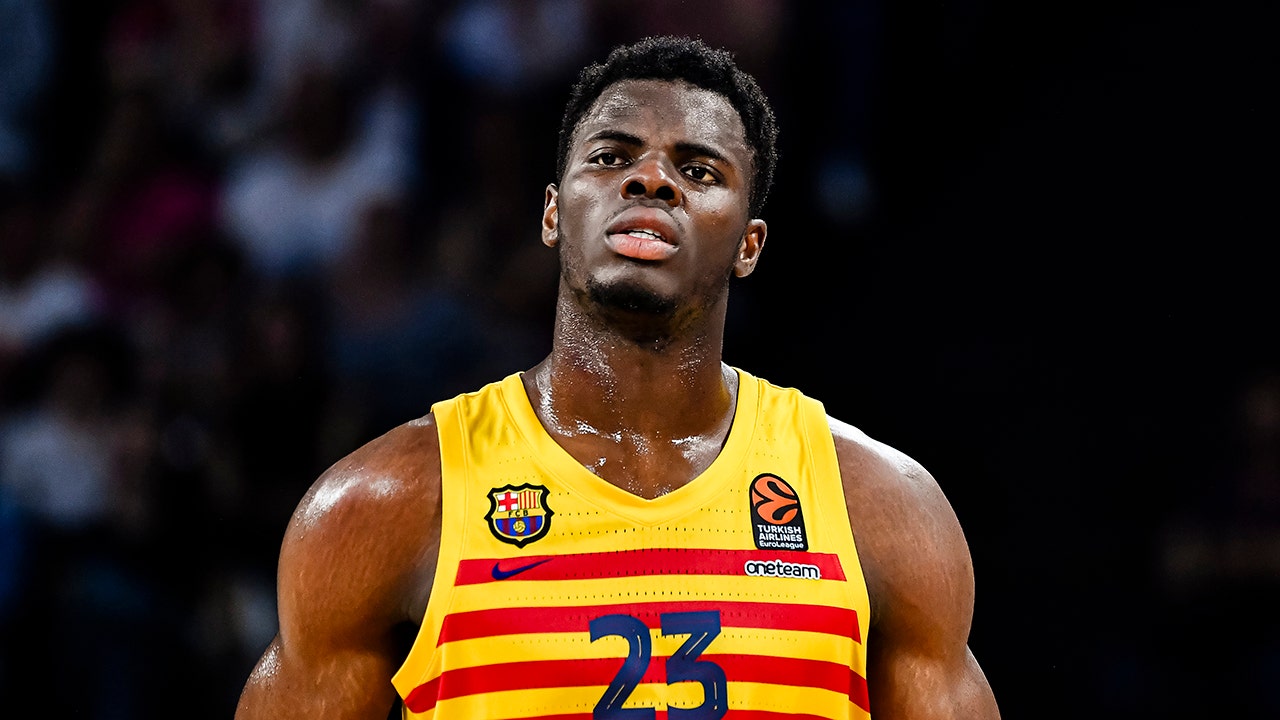
The key to Nnaji’s eligibility lies in one crucial detail: despite being drafted, he never signed an NBA contract. After being selected by the Detroit Pistons, his rights were traded to the Charlotte Hornets, and later to the New York Knicks as part of the Karl-Anthony Towns deal. Without a signed contract, Nnaji maintained his amateur status in the eyes of the NCAA. Following the draft, he chose to play professionally overseas with FC Barcelona in Spain’s Liga ACB, though that relationship ended by mutual agreement in August 2024. His brief return to the Knicks for the Las Vegas Summer League saw modest production, averaging just 3.2 points and 3.6 rebounds across five games.
Nnaji’s arrival at Baylor comes at an opportune time for coach Scott Drew’s squad. The Bears, currently 9-2 this season, have been struggling with frontcourt depth due to injuries to Maikcol Perez and Justin Bodo Bodo. Nnaji is expected to step in and play significant minutes immediately, potentially becoming a key contributor for a team with championship aspirations. His development will be closely watched, as he brings professional experience that few college players possess, potentially giving Baylor a unique advantage in competitive play.
When Nnaji was drafted in 2023, scouts were primarily attracted to his impressive physical attributes rather than his polished skills. At just 18 years old at the time of the draft, he was viewed as a developmental project with considerable upside. CBS Sports analyst Kyle Boone noted Nnaji’s “impressive” size, length, and leaping ability, though he characterized him as “something of a project.” This assessment suggests that while Nnaji has tremendous physical tools, he still needs time to develop his basketball fundamentals and game awareness—development that might be better nurtured in the structured college environment.
This unusual career trajectory raises interesting questions about the traditional pathways between college and professional sports. Typically, talented young players use college basketball as a stepping stone to the NBA, not the reverse. Nnaji’s decision may reflect a growing recognition that development doesn’t always follow a linear path, and that the intense coaching and competitive environment of college basketball can sometimes provide better developmental opportunities than sitting on a professional bench or playing limited minutes overseas. For young players still refining their skills, the college game offers more playing time, structured development, and the chance to build confidence.
Nnaji’s story may ultimately create a new template for young international players who are drafted based on potential but aren’t quite ready for the NBA’s demands. Rather than languishing in limited professional roles, the college route provides meaningful competition, development, and education. For Baylor, the arrangement brings an injection of NBA-caliber talent mid-season, while for Nnaji, it offers a chance to develop his game in a high-level program that has produced NBA talent. As college basketball and professional leagues continue to evolve, Nnaji’s unconventional path may become less unusual, potentially opening doors for other young players caught between professional potential and developmental needs.